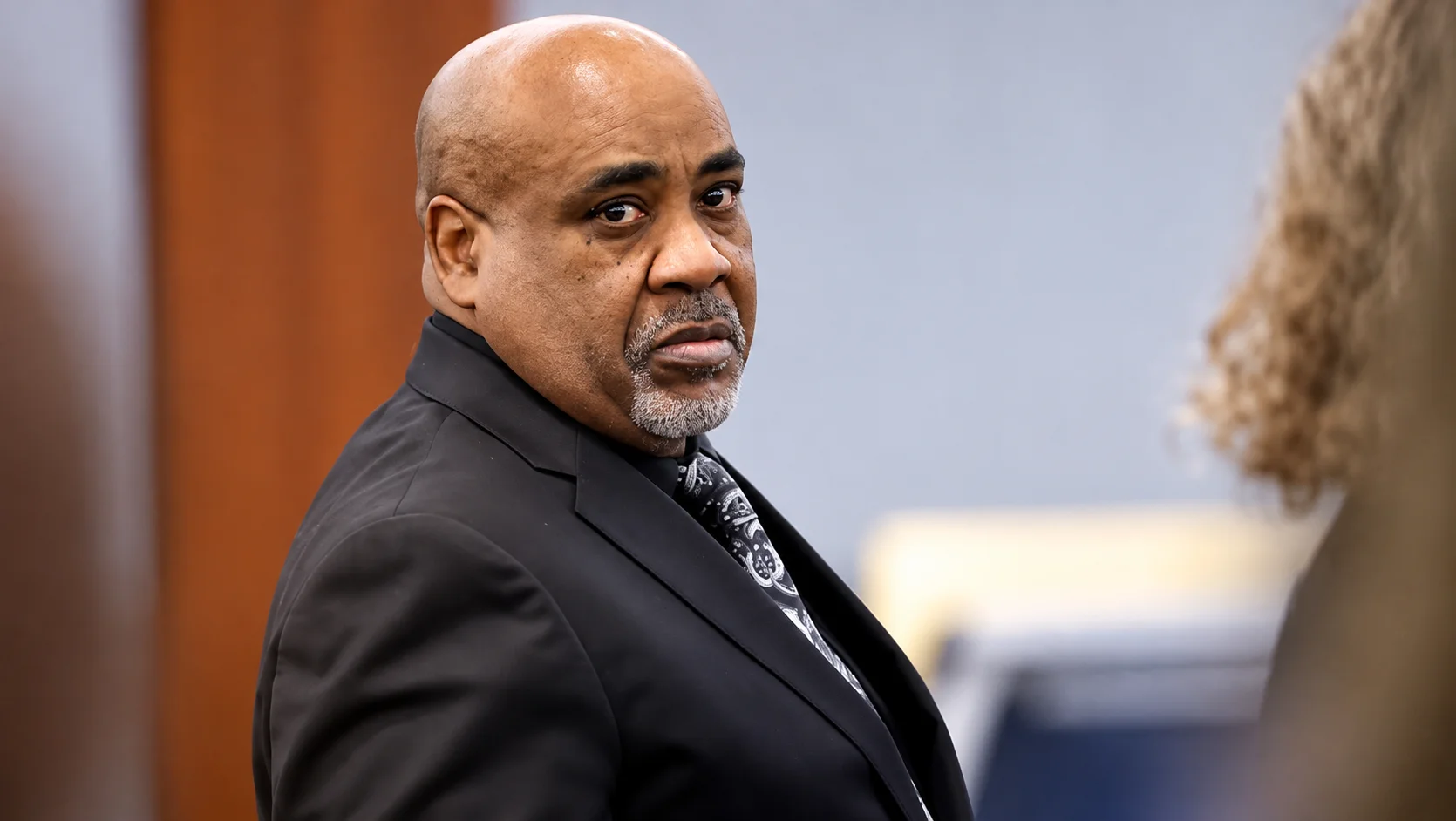
For nearly three decades, the murder of Tupac Shakur remained one of the most debated cold cases in American history. That changed on August 31, 2026, when a Las Vegas jury delivered a guilty verdict for Duane “Keffe D” Davis. On Tuesday, October 13, 2026, the legal saga reached its climax as Nevada District Court Judge Carli Kierny sentenced Davis to 40 years to life in prison.
The conviction is historic not just because of the victim’s fame, but because Davis was never accused of firing a single shot. Instead, the prosecution proved that he was the mastermind who made the killing possible.
The 2026 Verdict: A Lifetime Behind Bars
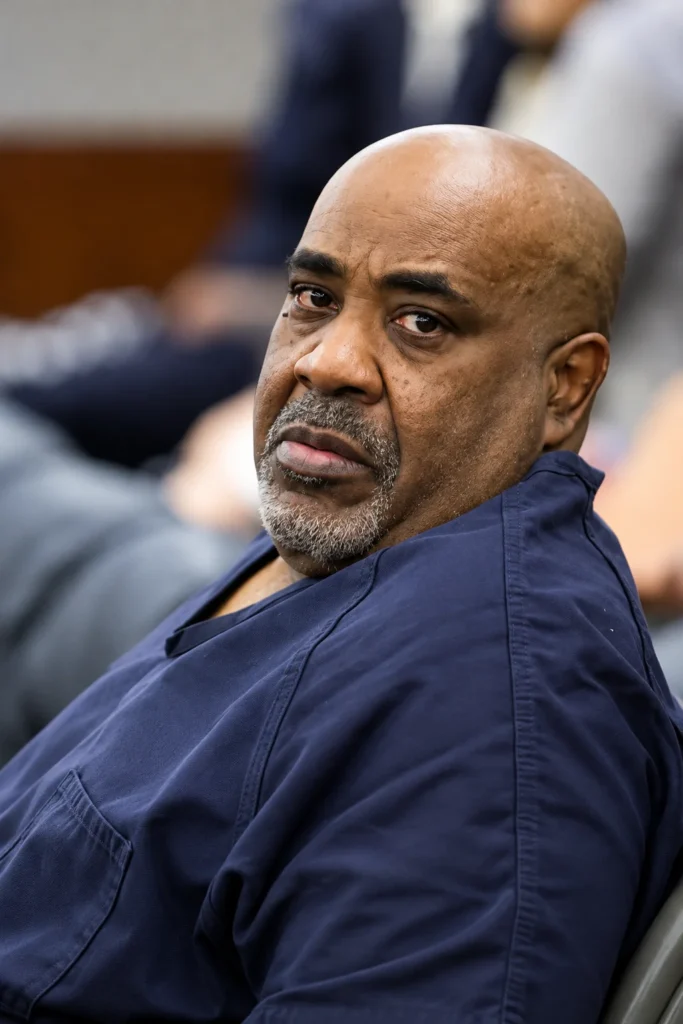
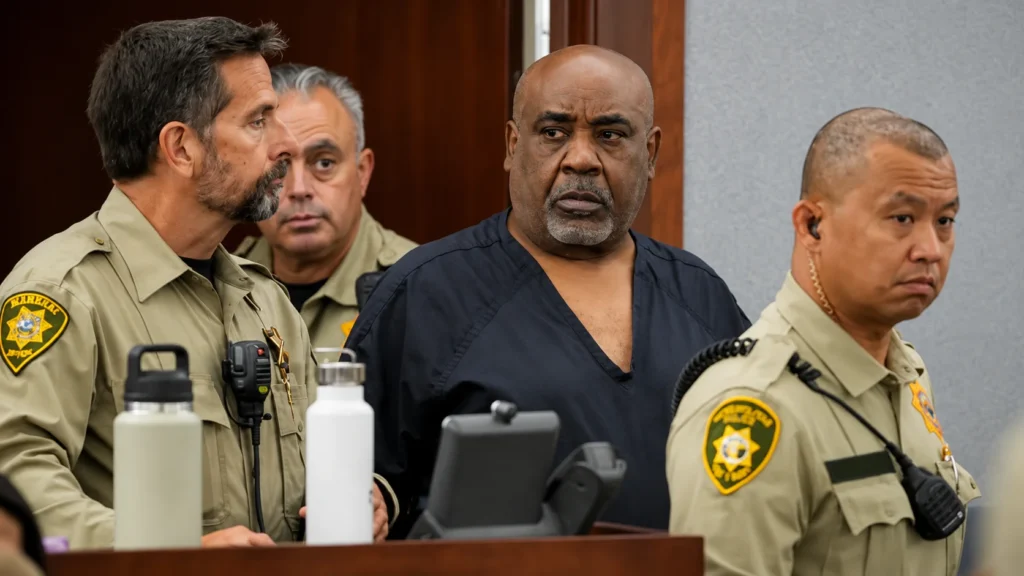
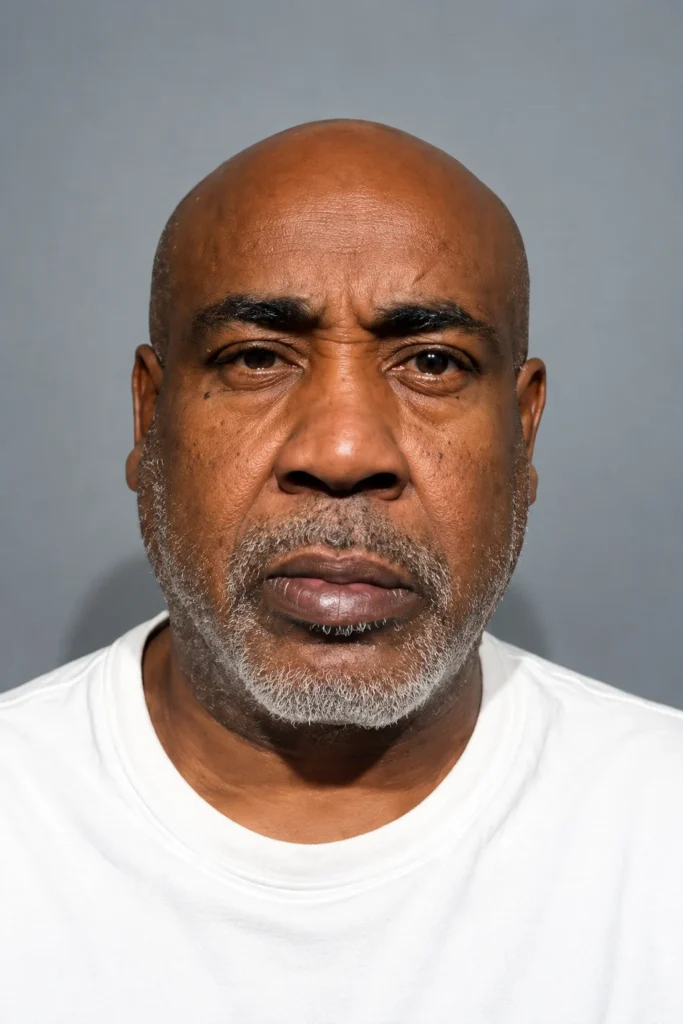
Duane Davis, now 63 years old, faced a Nevada courtroom to hear his fate after being convicted of first-degree murder with use of a deadly weapon. The sentencing followed a two-week trial where Clark County prosecutors argued that Davis was the high-ranking gang leader who facilitated the retaliatory strike against Shakur.
Prosecutor Marc DiGiacomo made it clear that the sentence essentially ensures Davis will spend the rest of his life in a correctional facility. The judge rejected pleas for leniency based on his age and health, noting that the gravity of the crime outweighed his recent status as a grandfather. Davis remained largely unrepentant, using his time before the court to ask for the return of photographs seized during a 2023 police raid rather than offering an apology.
Nevada Law: The Concept of the Orchestrator
A common point of confusion in this case is how someone can be convicted of murder without pulling the trigger. Under Nevada law, a person who aids, abets, or counsels a crime is just as legally responsible as the person who physically commits the act.
In this instance, the jury found that Davis provided the weapon and directed the movements of the vehicle. By obtaining the .40-caliber Glock and handing it to the shooters in the back seat, Davis became the functional equivalent of the triggerman in the eyes of the law. This legal framework allowed the state to bypass the fact that the actual shooter is deceased.
The Evidence: A Memoir That Became a Confession
The most damaging evidence against Davis did not come from a witness or a forensic lab: it came from his own mouth. After years of silence, Davis began giving media interviews and eventually published a memoir titled “Compton Street Legend” in 2019.
The Failure of the Proffer Agreement
In 2008, Davis sat for a secret interview with a federal task force. He believed he had immunity under a proffer agreement, which generally protects individuals from having their statements used against them in court while cooperating. However, prosecutors successfully argued that Davis forfeited these protections when he went public with his story. By bragging about his role in the killing for profit, he essentially handed the state the roadmap to his own conviction.
| Type of Evidence | Impact on Trial |
|---|---|
| Memoir (Comptom Street Legend) | Directly admitted to being in the car and providing the gun. |
| BET Interviews | Reaffirmed his leadership role within the South Side Compton Crips. |
| 2008 Police Tapes | Provided a play-by-play of the night of September 7, 1996. |
| MGM Grand Footage | Showed the motive: the beating of his nephew, Orlando Anderson. |
Timeline of the 1996 Drive-By Shooting
The events that led to the conviction began on the night of September 7, 1996. The motive was established inside the MGM Grand casino following a Mike Tyson boxing match.
- The Brawl: Tupac Shakur and Suge Knight were caught on surveillance video attacking Orlando Anderson, Davis’s nephew, in the casino lobby.
- The Retaliation: Prosecutors argued that Davis, as a leader of the South Side Compton Crips, could not let the assault go unanswered.
- The Weapon: Davis obtained a firearm and loaded his crew into a white Cadillac.
- The Shooting: Near the Las Vegas Strip, the Cadillac pulled alongside the BMW carrying Shakur and Knight. Four shots struck Shakur, who died six days later on September 13, 1996, at the age of 25.
The Fate of the Other Cadillac Occupants
Duane Davis is the only person to ever face criminal charges for this murder. The other three men in the Cadillac are all deceased, which complicated the investigation for years.
- Orlando Anderson: The man Davis identified as the shooter. He was killed in an unrelated gang shooting in 1998.
- Deandrae “Big Dre” Smith: Died of natural causes in 2004.
- Terrence “Bubble Up” Brown: The driver of the Cadillac. He was shot and killed at a marijuana dispensary in 2015.
Because these men are gone, Davis stood alone in the courtroom to face the consequences of the group’s actions.
Victim Impact: The Shakur Family Speaks
The sentencing was an emotional milestone for the Shakur family. Sekyiwa “Set” Shakur, Tupac’s sister, delivered a moving victim impact statement. She described her brother as a protector and a man who had manifestos for a better world. She told the court that the world lost something huge when he was killed at just 25 years old.
Judge Kierny echoed these sentiments during her final remarks. She stated that while it took 30 years, Las Vegas never forgot about the crime. The sentence of 40 years to life represents the final legal chapter in a case that defined an entire era of music and culture.
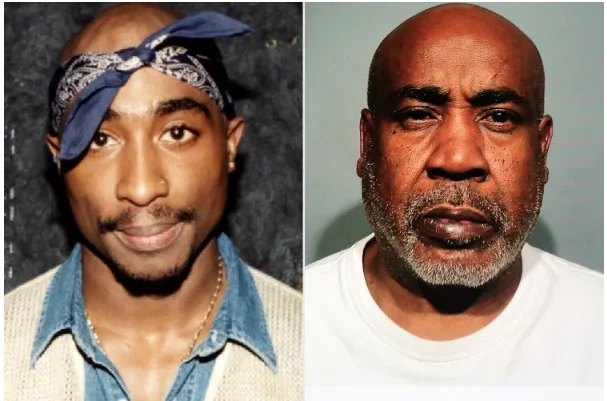
The sentencing of Duane Davis on October 13, 2026, marks the end of a thirty year search for justice. By holding the orchestrator accountable, the Nevada court has sent a powerful message about the longevity of criminal liability. For the fans and family of Tupac Shakur, the verdict offers a long awaited sense of closure for a tragedy that changed hip-hop forever.
Frequently Asked Questions
1.Who actually shot Tupac according to the trial?
While Duane Davis was convicted, he testified in previous recordings that his nephew, Orlando Anderson, was the one who fired the shots from the back seat of the Cadillac.
2.Why was Duane Davis the only one charged?
Davis is the only surviving occupant of the vehicle involved in the shooting. The others passed away between 1998 and 2015, leaving Davis as the sole person reachable by the justice system.
3.Will Duane Davis be eligible for parole?
His sentence is 40 years to life. Given that he was 63 at the time of sentencing in 2026, he will be over 100 years old before he is eligible for a parole hearing, making it highly likely he will remain in prison for the rest of his life.
4.Was Diddy involved in the case?
While Sean Combs was mentioned during the trial in relation to his ties with the Crips for security, the Clark County District Attorney stated there is currently insufficient evidence to file charges against anyone else.