Released on 23 October 2026, 418 arrives with significant baggage, mostly due to its high profile associations. Presented by Prashanth Neel (the visionary behind KGF and Salaar) and produced by Mythri Movie Makers, the film promised a pure horror experience that allegedly unsettled the Censor Board. Directed by debutant Kirtan Nadagouda, the story is set in 2020, just as the global pandemic begins to loom.
The narrative centers on Vivek Shankar, played by Surya Raj Veerabathini, a medical student whose parents mortgage their home to send him to VIMS, a college located in remote coastal Karnataka. The twist? The hostel building was formerly a mental asylum with a bloody, secretive history. Among the many rooms, Room No. 418 is strictly off limits. When Vivek moves in next door, he begins to experience terrifying paranormal episodes that his peers dismiss as mere anxiety. This setting creates a claustrophobic, high stakes environment that feels grounded yet eerie.
Yakshagana: A Cultural Twist on Terror
One of the most refreshing aspects of 418 is its integration of Yakshagana, a traditional folk theater form from Karnataka. Unlike standard Indian horror films that rely on generic spirits, this film roots its ghost in local artistry. The haunting sounds of Yakshagana music and the visual motifs of the Devaki and Kamsa myth provide a unique texture.
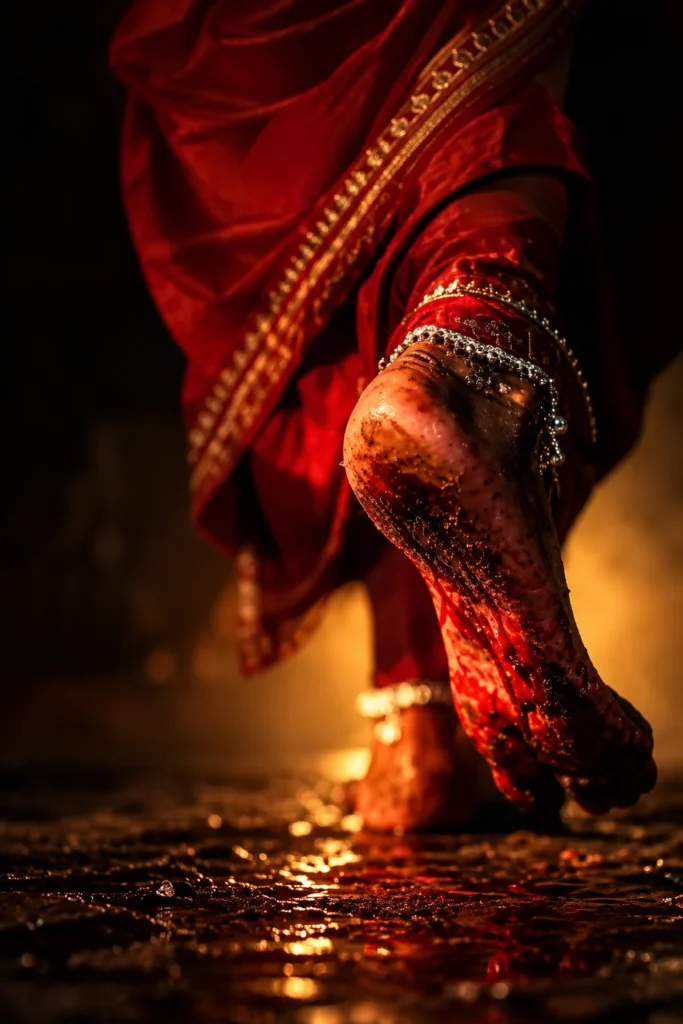
This choice elevates the film from a simple ‘slasher’ to a cultural exploration. The film uses these folk elements to comment on motherhood and societal pressure. The legendary Room 418 is not just a place of death but a vessel for the unresolved trauma of Devika, a Yakshagana artist. This backstory, which occupies a significant chunk of the middle act, is arguably the strongest part of the film, offering a visceral look at how tradition and tragedy collide.
The Performance Peak: Chaithra J Achar
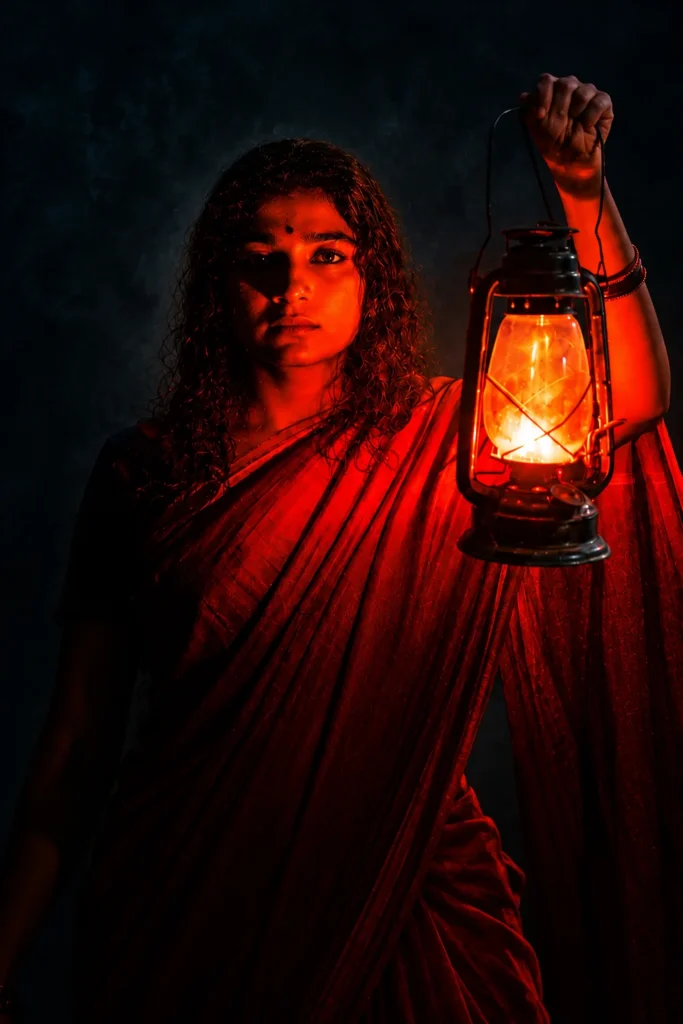
If there is one reason to buy a ticket for 418, it is Chaithra J Achar. Portraying Devika, she carries the emotional and physical weight of the film with startling conviction. Her transitions between a vulnerable woman and a vengeful entity are seamless. She brings a specific physical grace to the Yakshagana sequences that feels authentic rather than caricatured.
| Character | Actor | Role Impact |
|---|---|---|
| Devika | Chaithra J Achar | High: The emotional core and main source of dread. |
| Vivek Shankar | Surya Raj Veerabathini | Moderate: A functional protagonist for the audience to follow. |
| Rohith | Charan Lakkaraju | Low: Primarily serves as the skeptical roommate trope. |
| Counselor | Ramesh Indira | Moderate: Brings a quiet, unsettling authority to the screen. |
While the leads Surya Raj Veerabathini and Charan Lakkaraju are functional, they occasionally get overshadowed by the technical scale of the production. Ramesh Indira, however, stands out as the college counselor, using restraint to create more tension than the actual jump scares.
Technical Highlights and Hurdles
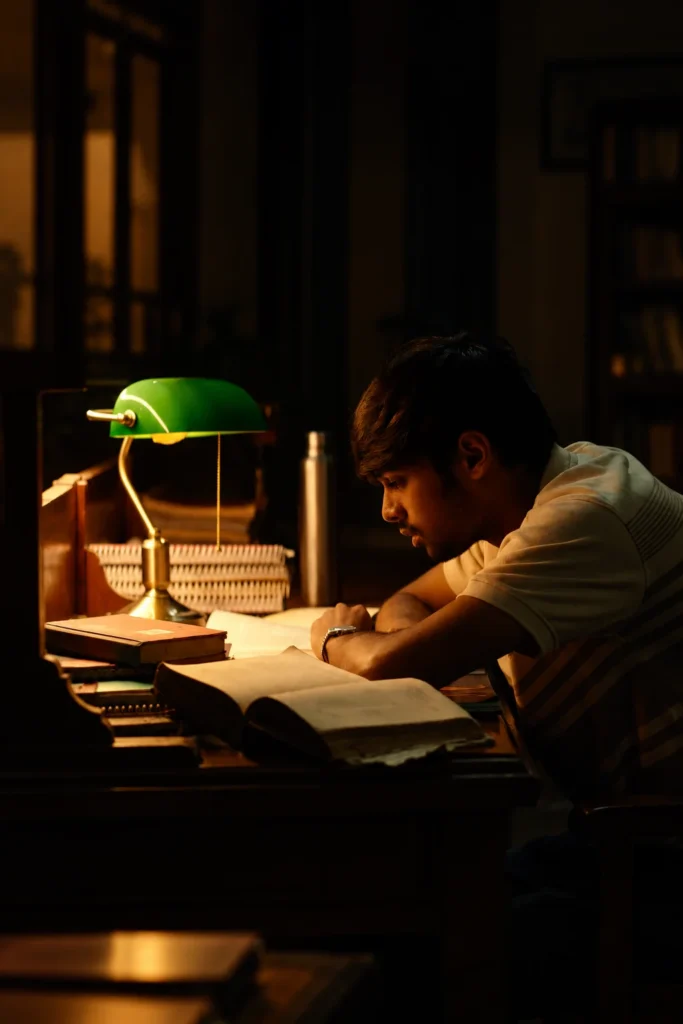
The film boasts impressive technical credentials. Dinesh Divakaran, the cinematographer, captures the damp, gritty atmosphere of the medical hostel with precision. The use of dim lighting and grainy textures effectively mirrors the early 2020 setting. The sound design by Anupam C is loud and aggressive, designed to keep the audience on the edge of their seats.
However, the editing by Akul Avinash has drawn comparisons to the fast paced, hyper stylized cuts of Prashanth Neel’s other works. While this worked for an action epic like KGF, it occasionally feels exhausting in a horror setting where silence and stillness are often more terrifying than rapid cuts. At 148 minutes, the runtime is also a significant hurdle. Many subplots involving student life and ragging could have been trimmed to sharpen the focus on the central mystery.
Also Read : Namita Krishnamurthy: The Full Biography of the IIT-Grad Star
Why the Horror Hits and Misses
418 is a tale of two halves. The first half successfully builds atmospheric dread, playing with the viewer’s psyche. It avoids the common pitfall of mixing horror with slapstick comedy, a trend that has plagued recent Telugu and Kannada cinema. By committing to a serious tone, Kirtan Nadagouda shows he respects the genre.
Unfortunately, the film eventually falls into the trap of repetition. A scare that works the first time (a shadow at the end of a hallway) loses its power by the tenth time. The reliance on loud sound cues to force a reaction eventually becomes predictable. Furthermore, while the backstory of the wronged woman is compelling, the final resolution feels abrupt and lacks the emotional payoff promised by the strong middle act.
Frequently Asked Questions
Q.Is 418 based on a true story?
While the film uses the backdrop of a real medical college setting (VIMS), the supernatural events and the legend of Room 418 are fictional dramatizations inspired by local folklore.
Q.Does 418 have a post credits scene?
No, there is no post credits scene, but the final frames before the credits offer a subtle hint at the lingering nature of the haunting.
Q.Why was the film delayed?
Reports suggest the film faced hurdles with the CBFC due to its intense horror sequences, requiring some adjustments to satisfy censorship guidelines for a wider release.
Q.Is it too scary for children?
The film relies on graphic imagery, blood, and loud jump scares. It is generally recommended for mature audiences and horror enthusiasts rather than young children.