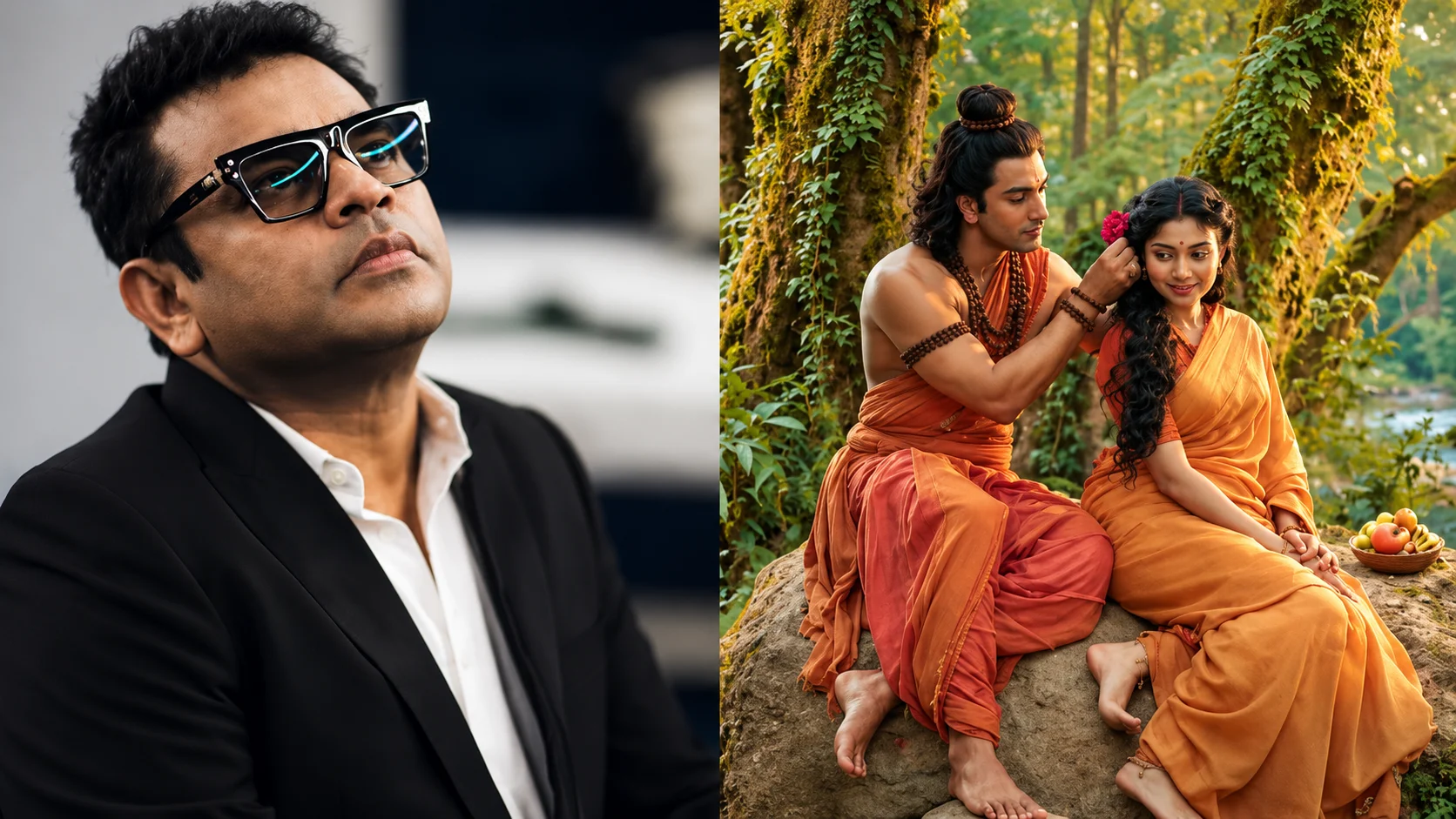
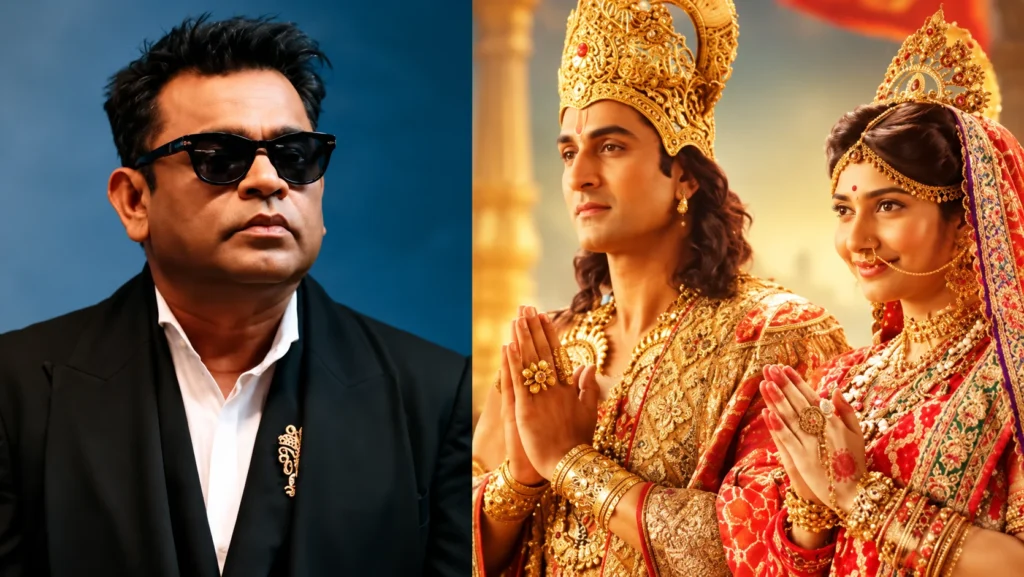
A.R. Rahman is widely regarded as the Mozart of Madras, but even a legend can face the heat when dealing with India’s most sacred epic. The release of Mangal Rang, the second song from Nitesh Tiwari’s upcoming film Ramayana, has triggered a storm of criticism on social media. While the track features the powerhouse vocals of Arijit Singh and Shreya Ghoshal, the musical arrangement has left many fans feeling disconnected from the source material.
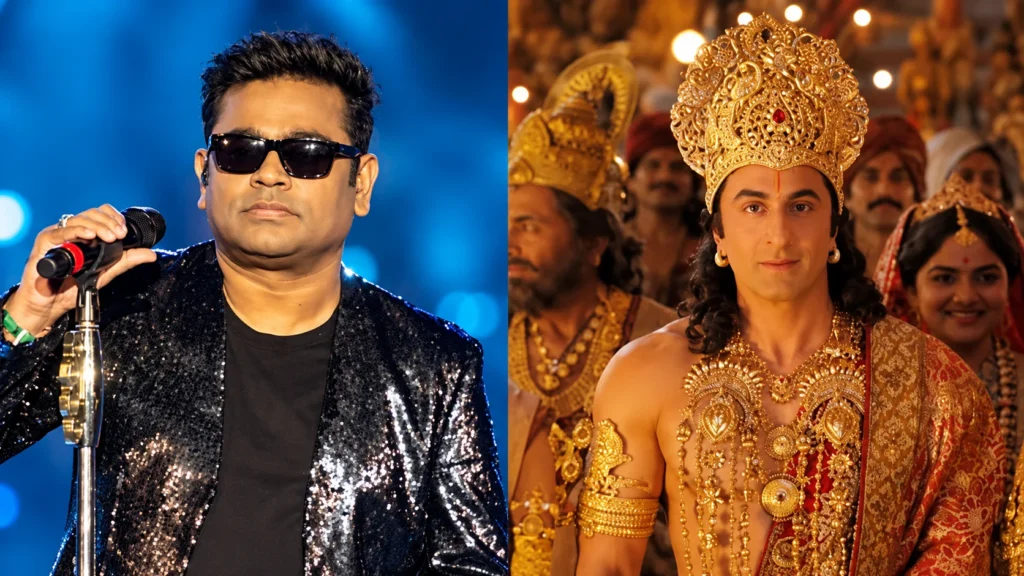
The Mangal Rang Outcry: Music Meets Mythology
Released on Sunday, 25 October 2026, the song was intended to showcase the divine love and union between Bhagwan Ram, played by Ranbir Kapoor, and Mata Sita, portrayed by Sai Pallavi. However, instead of the expected traditional Vedic hymns or classical Indian instrumentation, listeners were greeted with a rhythm that felt strikingly familiar to a different genre: Qawwali.
The backlash was almost instantaneous. Within hours of the release on 25 October 2026, X (formerly Twitter) was flooded with complaints from users who felt the music lacked the “cultural grounding” required for a story as significant as the Ramayana. The primary point of contention is the perceived mismatch between the Sufi-inspired beats and the ancient Sanskrit heritage of the story.
Why Fans Are Calling Mangal Rang a Qawwali
The label of Qawwali in Ramayan did not come out of thin air. Listeners pointed out specific musical elements that align more with Sufi devotional music than traditional Hindu bhajan styles.
- Rhythmic Structure: The use of repetitive, clapping-style percussion beats that are staples in Qawwali performances.
- Vocal Delivery: Critics argue that the phrasing used by Arijit Singh leans into a Sufi aesthetic rather than the meditative quality of Shuddha Sanskrit songs.
- Instrumental Choices: Some observant fans noted the use of the Bulbul Tarang, an instrument often associated with regional folk and Qawwali, rather than the Veena or Flute usually linked to Ramayana narratives.
Comparisons to Kun Faya Kun and Tamil Tracks
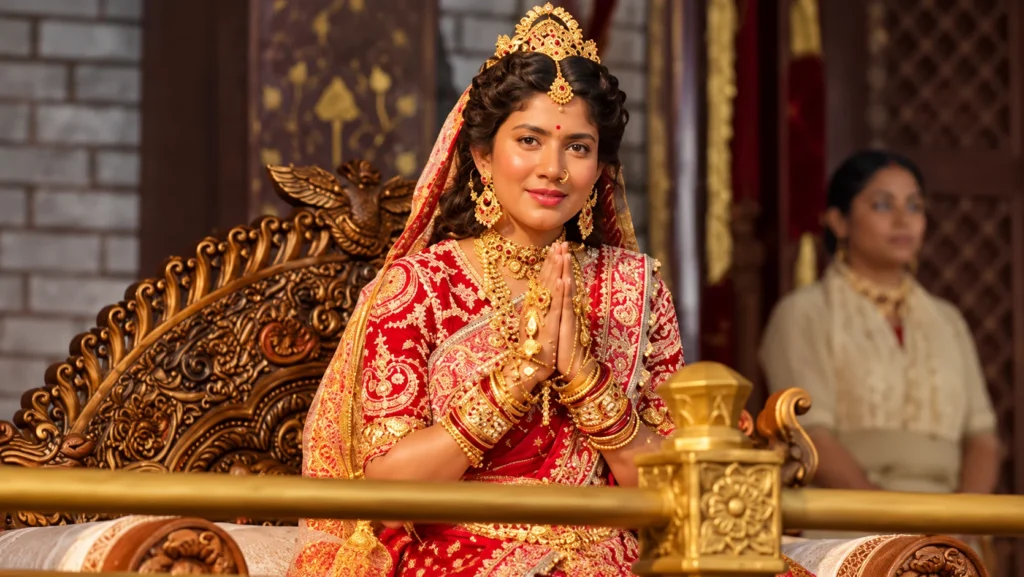
One of the harshest criticisms leveled against Rahman is the allegation of “recycled templates.” A significant number of users claimed that Mangal Rang felt like a spiritual successor to his own hit Kun Faya Kun from the movie Rockstar. One user on X noted that Rahman seemingly took the Sufi formula from his past work and forced it into the Vedic setting of Ramayana.
Others pointed toward a “Tamil influence” in the composition, suggesting that the melody echoes Rahman’s earlier work in South Indian cinema, specifically the song Enna Solla Pogirai. The repetition of the word “Rang” in the chorus also drew comparisons to the classic Qawwali Aaj Rang Hai, further fueling the narrative that the song is culturally misaligned.
| Feature | Audience Expectation | Mangal Rang Delivery |
|---|---|---|
| Primary Genre | Sanskrit Devotional / Bhajan | Sufi-style Qawwali |
| Lead Vocals | Classical / Meditative | Modern Romantic / Sufi |
| Lyrics | Pure Sanskrit / Awadhi | Hindi / Urdu mix (Kumar Vishwas) |
| Instrumentation | Veena, Mridangam, Flute | Bulbul Tarang, Qawwali Claps |
Musical Breakdown: Cast and Credits of the Track
Despite the controversy, the technical talent behind the song is undeniable. The track was composed by A.R. Rahman, with lyrics penned by the popular poet Kumar Vishwas. The vocal duties were handled by two of India’s most celebrated singers:
- Arijit Singh: Known for his versatility, though critics feel his style here was too “Bollywood rom-com.”
- Shreya Ghoshal: Her performance was generally praised, though many felt the composition did not allow her voice to reach its full potential.
Visuals in the song attempt to depict the spiritual bond of the lead characters, but even here, comparisons have surfaced. Some fans compared Sai Pallavi’s look as Mata Sita to Anushka Shetty’s portrayal of Devasena in Baahubali, suggesting a lack of original visual identity for this adaptation.
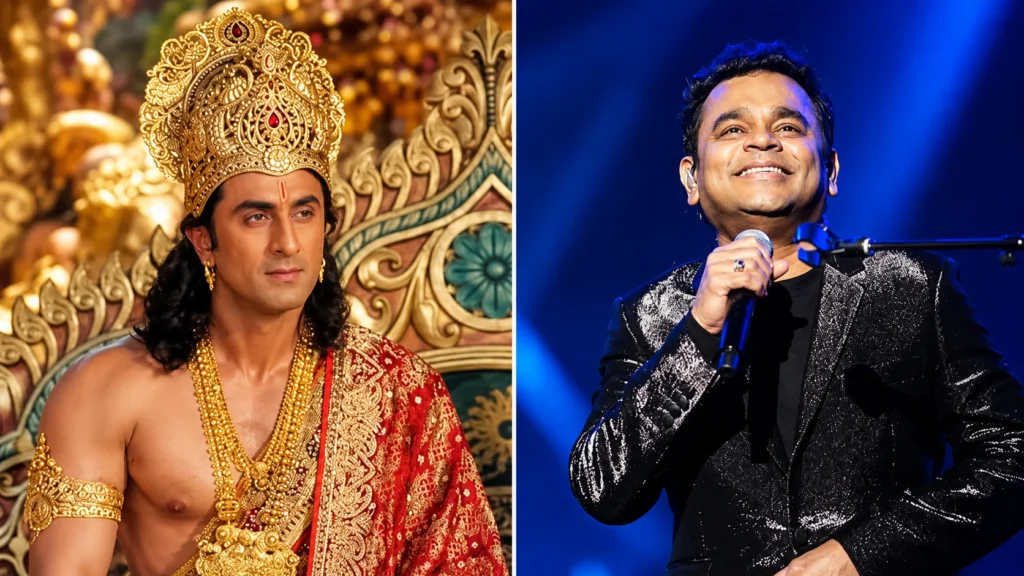
The Cultural Debate: Sanskrit Chants vs. Sufi Beats
The core of the AR Rahman Ramayana song criticism lies in a deeper cultural debate. Modern Indian audiences have shown a growing preference for music that honors traditional roots. Successes like the music of Baahubali or Kantara have set a high bar for cultural authenticity.
Fans argued that for a project with a massive 4,000 crore budget, the makers should have invested more in research. The sentiment among the disgruntled listeners is that “sacred Itihasa” should not be treated like a standard Friday romantic comedy. The demand for “Shudh Sanskrit” lyrics and traditional ragas reflects a shift in how the Indian public consumes historical and mythological media.
Ramayana Release Date and Movie Details
While the music is under fire, the anticipation for the film itself remains high. Directed by Nitesh Tiwari, the film is a multi-part epic with a star-studded cast:
- Ranbir Kapoor as Bhagwan Ram
- Sai Pallavi as Mata Sita
- Yash as Ravana
- Sunny Deol as Hanuman Ji
- Ravi Dubey as Lakshman
The first installment, titled Ramayana: The Rise of a Legend, is scheduled to hit theaters on 5 November 2026. Following the initial release, the sequel, Ramayana: Part 2, is expected to arrive during Diwali 2028. Despite the song controversy, the advanced booking for the first part has already shown strong numbers, indicating that the film remains a massive draw for the general public.
Can Rahman Win Back the Fans?
A.R. Rahman is no stranger to initial criticism that eventually turns into long-term appreciation. However, the specific charge of using Qawwali in Ramayan touches a sensitive nerve regarding religious and historical representation. As the film approaches its 5 November 2026 release date, the pressure is on the makers to ensure the rest of the soundtrack provides the traditional grounding the audience is clearly craving.
Whether Mangal Rang will grow on the listeners or remain a point of contention depends on how the song fits into the larger cinematic experience of Nitesh Tiwari’s vision. For now, the debate serves as a reminder that when it comes to the Ramayana, every beat and every word is under the ultimate microscope of the public.
Also Read: Kunal Kamra on India’s Got Latent: The MC Stan Episode Explained
Frequently Asked Questions
1.Why is the song Mangal Rang controversial?
Fans are criticizing the song for its Qawwali-style beats and Sufi musical influence, which they feel are inappropriate for the Vedic setting of the Ramayana.
2.Who are the singers for the Ramayana song Mangal Rang?
The song is sung by Arijit Singh and Shreya Ghoshal, with music by A.R. Rahman and lyrics by Kumar Vishwas.
3.When is the Ranbir Kapoor Ramayana movie releasing?
The first part, Ramayana: The Rise of a Legend, is set to release on 5 November 2026.
4.Is the song Mangal Rang a copy of Kun Faya Kun?
While not a direct copy, many social media users have alleged that A.R. Rahman reused the musical template and Sufi aesthetic from his Rockstar hit, Kun Faya Kun.
5.What is the budget of Nitesh Tiwari’s Ramayana?
The film is reported to have a massive budget of approximately 4,000 crore rupees.