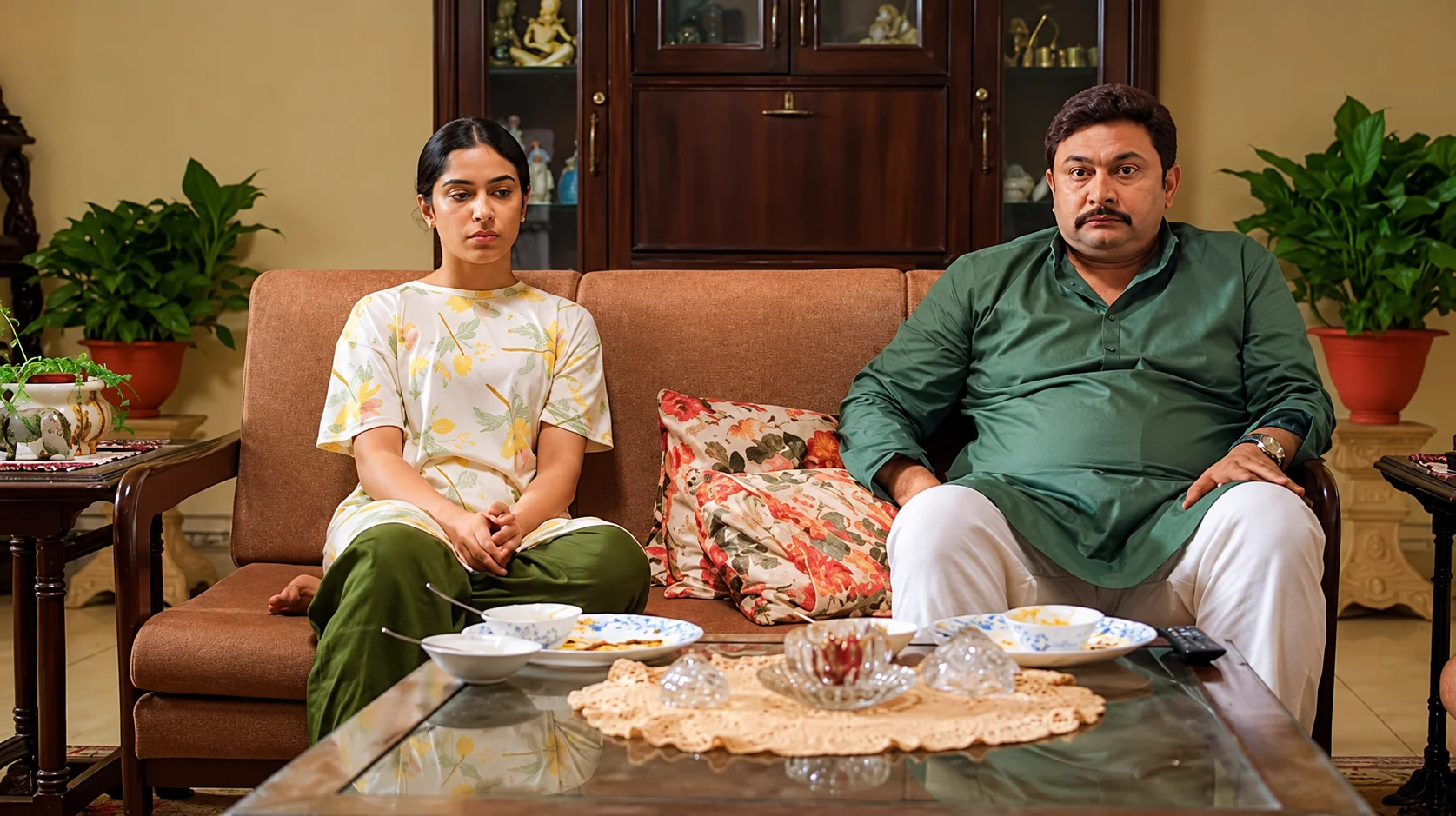
In a digital landscape often dominated by gritty crime thrillers and dark underworld sagas, Netflix India has released a refreshing counterpoint titled Matargashti. Premiering in 2026, this five episode series directed by Siddhant Chavan dives into the heart of middle class domesticity. It avoids the heavy handed melodrama typical of daily soaps, choosing instead to focus on the awkward, hilarious, and sometimes painful evolution of a father daughter relationship.
The series arrives at a time when viewers are actively seeking slice of life content that feels authentic to the contemporary Indian experience. Matargashti succeeds because it does not try to be a grand epic: it simply tries to be honest. It tackles the universal theme of growing up, not just for the child, but for the parent as well.
The Plot: A Tug of War Between Protection and Privacy
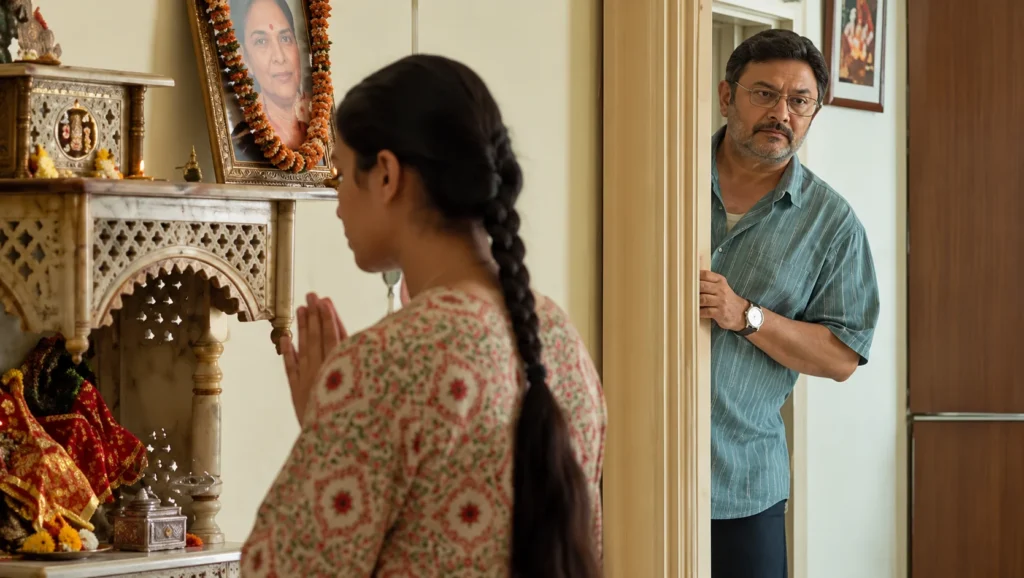
The story centers on Prakash, played by Rajesh Kumar, a single father who is deeply devoted to his teenage daughter, Dhara, portrayed by Adrija Sinha. Prakash belongs to the school of thought where daughters are seen as precious but vulnerable, often leading him to believe that domination is the same thing as protectiveness.
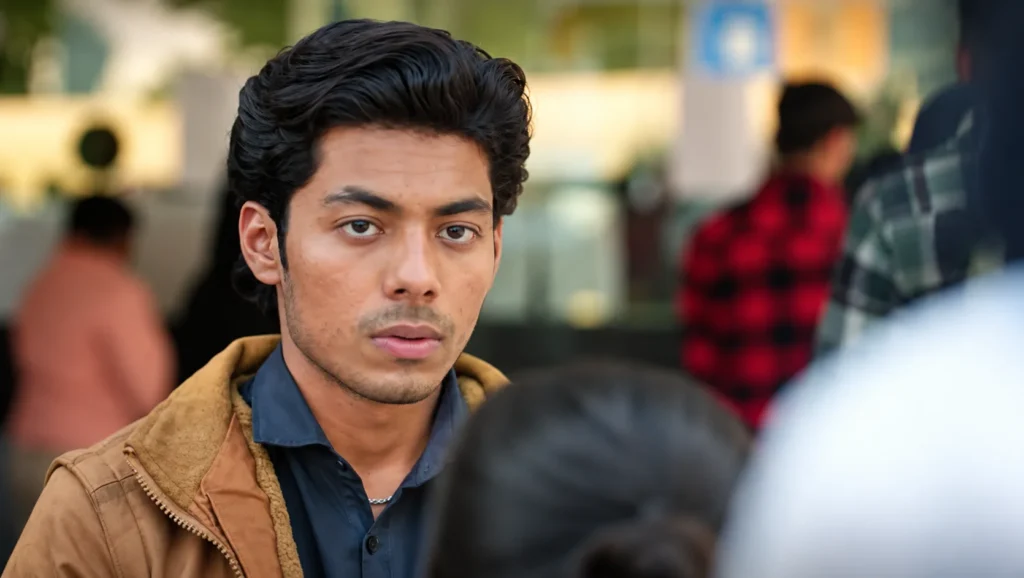
The conflict ignites when Dhara begins to explore her own identity and sexuality. Like many teenagers, she views her father’s constant monitoring as an infringement on her independence. The plot follows Dhara’s attempts to navigate her love life while Prakash becomes increasingly determined to sabotage her plans. This leads to a series of comedic yet poignant clashes that highlight the generational gap in understanding privacy and autonomy.
Performance Review: The Return of Rajesh Kumar
One of the biggest draws of Matargashti is the return of Rajesh Kumar in a leading role. Known widely for his iconic portrayal of Rosesh Sarabhai, Kumar sheds the slapstick skin to play a character that is grounded, flawed, and deeply relatable. He captures the anxiety of a single father with nuance, making Prakash likable even when his actions are frustratingly intrusive.
Adrija Sinha is equally impressive as Dhara. She brings a natural ease to the screen, portraying the curiosity and occasional rebellion of a modern teenager without falling into stereotypes. The chemistry between the two is the backbone of the series. Their arguments feel real, and their moments of reconciliation feel earned rather than scripted.
The supporting cast adds significant flavor to the narrative. Tulika Banerjee delivers a solid performance that complements the central duo, while actors like Sachin Jeet Singh and Shakti Kumar provide the necessary friction and context to the world Prakash and Dhara inhabit.
Technical Highlights: Direction and Music
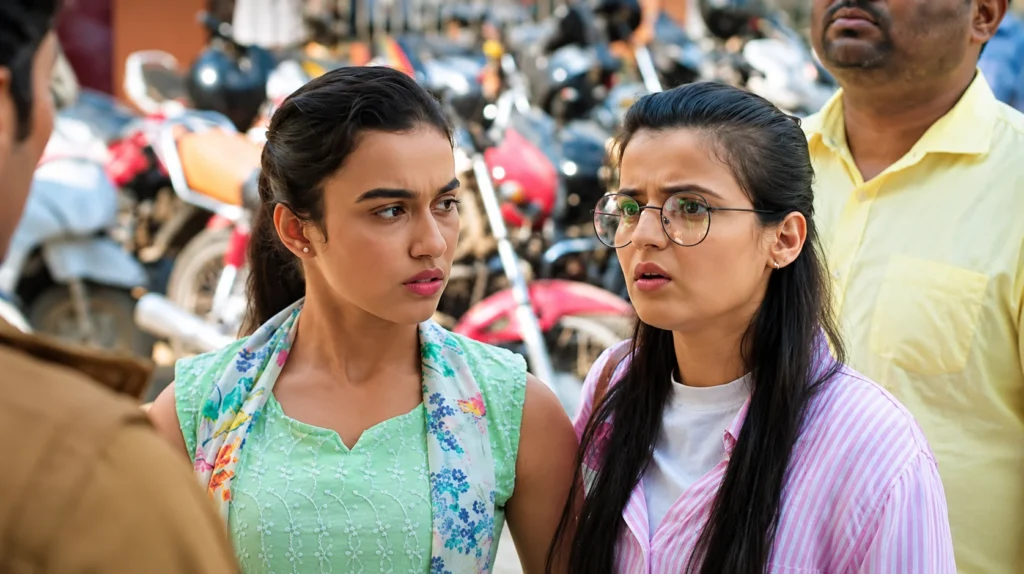
Siddhant Chavan’s direction is clean and focused. By keeping the series to just five episodes, he ensures that the pacing remains tight. There is very little filler, and each episode serves to move the emotional needle forward. The cinematography captures the warmth of a middle class home, using lighting that enhances the cozy, intimate feel of the story.
The soundtrack and musical score deserve a special mention. Unlike high octane thrillers, the music here is subtle and melodic, emphasizing the emotional beats of the father daughter bond. The songs integrated into the series reflect Dhara’s youthful energy while maintaining the overall gentle tone of the show.
Matargashti vs. Other Indian Family Dramedies
To understand where Matargashti stands, it is helpful to compare it to other popular shows in the same genre. While shows like Gullak focus on the collective struggle of a family, Matargashti is much more intimate, focusing specifically on the friction caused by changing social mores within a single parent household.
| Feature | Matargashti | Gullak | Piku |
|---|---|---|---|
| Core Theme | Father Daughter Autonomy | Lower Middle Class Daily Life | Aging and Caretaking |
| Tone | Lighthearted but Pointed | Nostalgic and Humorous | Realistically Wry |
| Episodes | 5 Episodes | Multi Season | Feature Film |
| Lead Dynamic | Single Dad / Teen Daughter | Traditional Family Unit | Adult Daughter / Aging Dad |
Is Matargashti Suitable for Family Viewing?
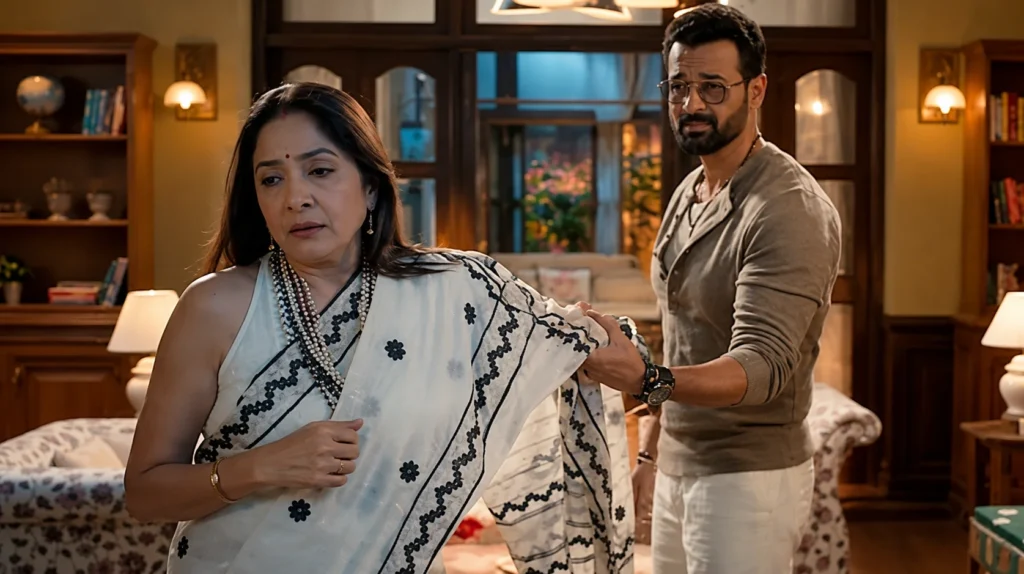
Parents often wonder if modern Netflix series are appropriate for younger audiences. Matargashti is designed for family viewing, though it does deal with themes of teenage sexuality. It approaches these topics with sensitivity and humor, making it a great conversation starter for parents and teenagers. It avoids graphic content, focusing instead on the emotional and social implications of these life stages. The series serves as a masterclass for fathers who might still believe the outdated notion that girls are like a khuli tijori (open vault) that needs constant guarding.
Final Verdict: To Binge or Not to Binge?
Matargashti is a winner for anyone who appreciates character driven storytelling. It does not rely on massive cliffhangers or shock value. Instead, it relies on the strength of its writing and the charisma of its leads.
Pros:
- Excellent performances by Rajesh Kumar and Adrija Sinha.
- Relatable and modern take on parenting.
- Short, bingeable format (5 episodes).
Cons:
- The ending may feel slightly rushed for some viewers.
- Limited screen time for some interesting supporting characters.
If you are looking for a show that is warm, watchable, and deeply human, Matargashti is definitely worth your time on Netflix. It is a gentle reminder that growing up is a journey both parents and children take together.
Also Read: Eric Bauza Death: Cause of Death, Legacy, and Industry Tributes
Frequently Asked Questions
1.How many episodes are in Matargashti Season 1?
Matargashti Season 1 consists of 5 breezy episodes, making it a perfect weekend binge watch.
2.Is Matargashti based on a true story?
While the series feels very real and relatable, it is a fictional story designed to reflect modern middle class Indian dynamics.
3.Who is the director of Matargashti?
The series is directed by Siddhant Chavan, who focuses on the nuances of father daughter relationships.
4.Will there be a Matargashti Season 2?
As of October 26, 2026, Netflix has not officially confirmed a second season, though the positive critical reception makes it a strong possibility.