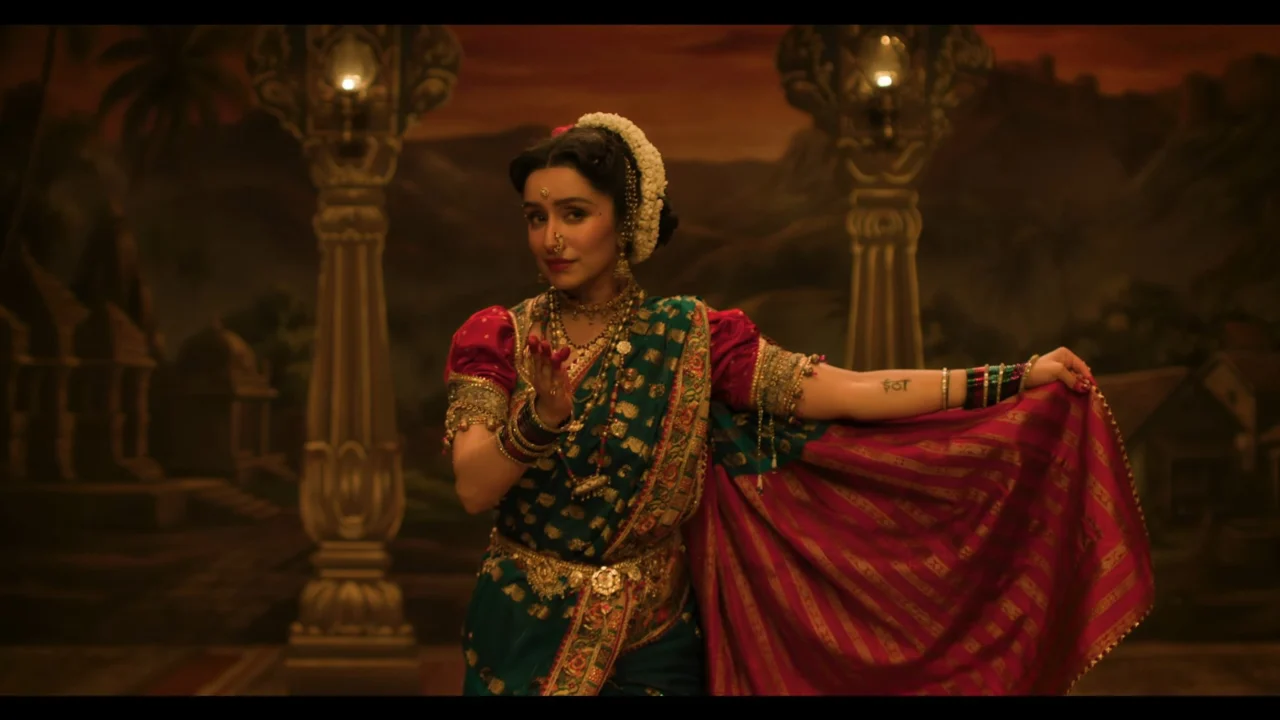
Outside Maharashtra, many people heard Vithabai Narayangaonkar’s name for the first time when the Eetha teaser dropped. Inside Maharashtra, she’s a legend, the woman who made tamasha her life, performed through pregnancy, poverty and heartbreak, and kept her troupe on the road no matter what.
Here’s the real story of Vithabai Narayangaonkar, the woman behind Shraddha Kapoor’s most ambitious role.
| Name | Vithabai Bhau Mang Narayangaonkar |
| Known as | Tamasha Samradni (Empress of Tamasha) |
| Born | July 1, 1935, Pandharpur, Maharashtra |
| Died | January 15, 2002 |
| Art forms | Tamasha, Lavani |
| Honours | President’s medal, 1957 and 1990 |
| Children | Eight, including tamasha artist Mangala Bansode and Kailash Narayangaonkar |
| On screen | Eetha (Hindi, Dec 4, 2026), played by Shraddha Kapoor |
Born into tamasha
Vithabai was born in 1935 in Pandharpur into a Dalit Mang family steeped in tamasha, the bawdy, musical, satirical folk theatre of rural Maharashtra, with Lavani dance at its heart. The troupe carried the family name, Narayangaon being one of the great centres of tamasha. She grew up on stage and on the road, moving from village fair to village fair.
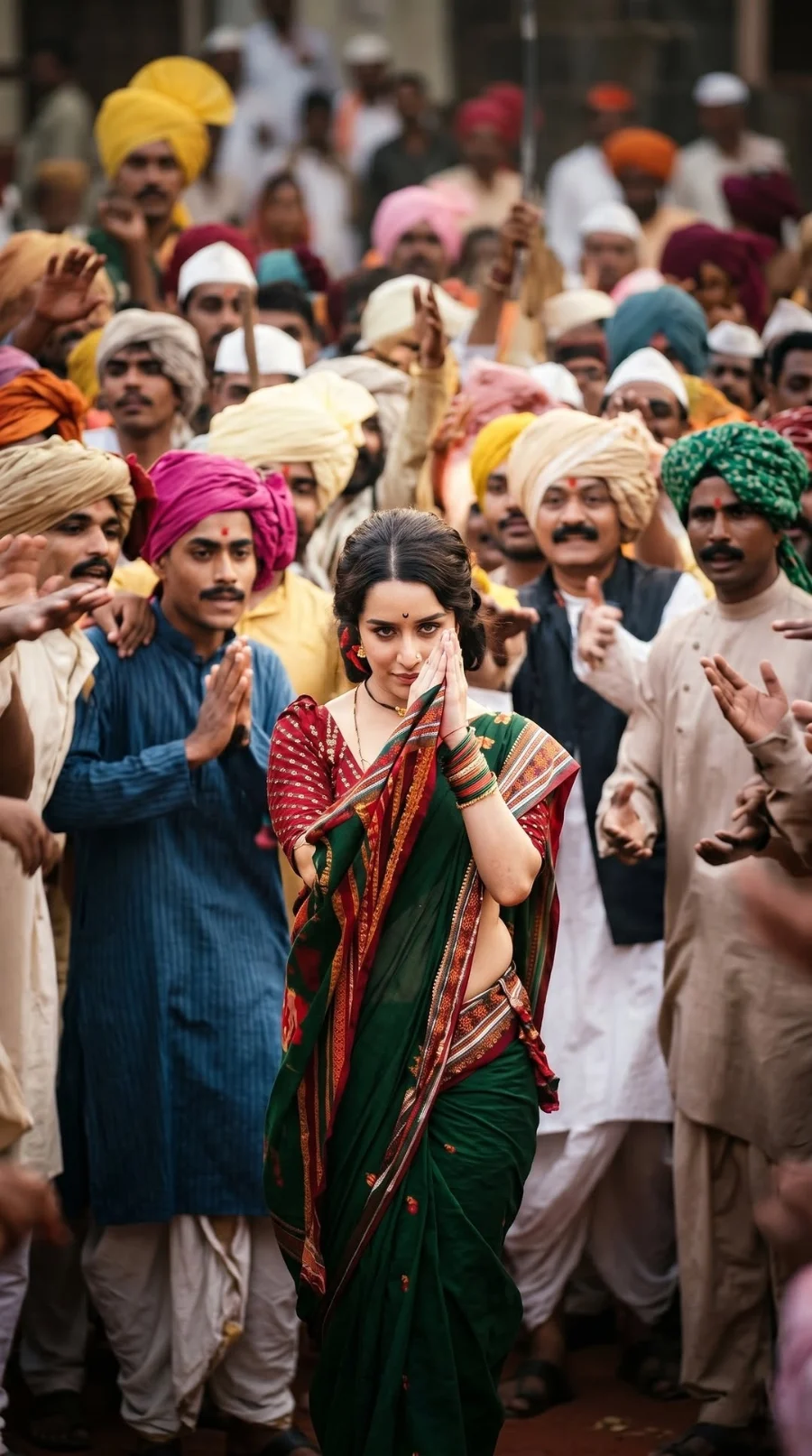
The Empress of Tamasha
Over the decades, Vithabai became one of the most commanding performers the form has ever had. She was fiercely loyal to tamasha’s traditional structure, and was known for resisting the way cinema borrowed Lavani and turned it into item numbers. Audiences in thousands of villages knew her simply as Vitha, which villagers pronounced “Eetha”, hence the film’s title.
The story everyone remembers: giving birth and going back on stage
The most famous episode of her life is the one the Eetha teaser opens with. Heavily pregnant, Vithabai went into labour during a show, delivered her baby backstage, and then returned to finish the performance. According to the teaser, the child, her son Kailash Narayangaonkar, was born on June 3, 1962, in Shikhar Shingnapur in Satara district. Kailash, now in his sixties, still runs the troupe with his sons.
Two President’s medals, and a fight for her troupes
Vithabai received the President’s medal for her contribution to folk culture twice, in 1957 and again in 1990. She also used her standing for other artists: her family recalls that during a fuel shortage in 1981, she led a delegation to Chief Minister A.R. Antulay, who sanctioned subsidised diesel for registered tamasha troupes so they could keep travelling.
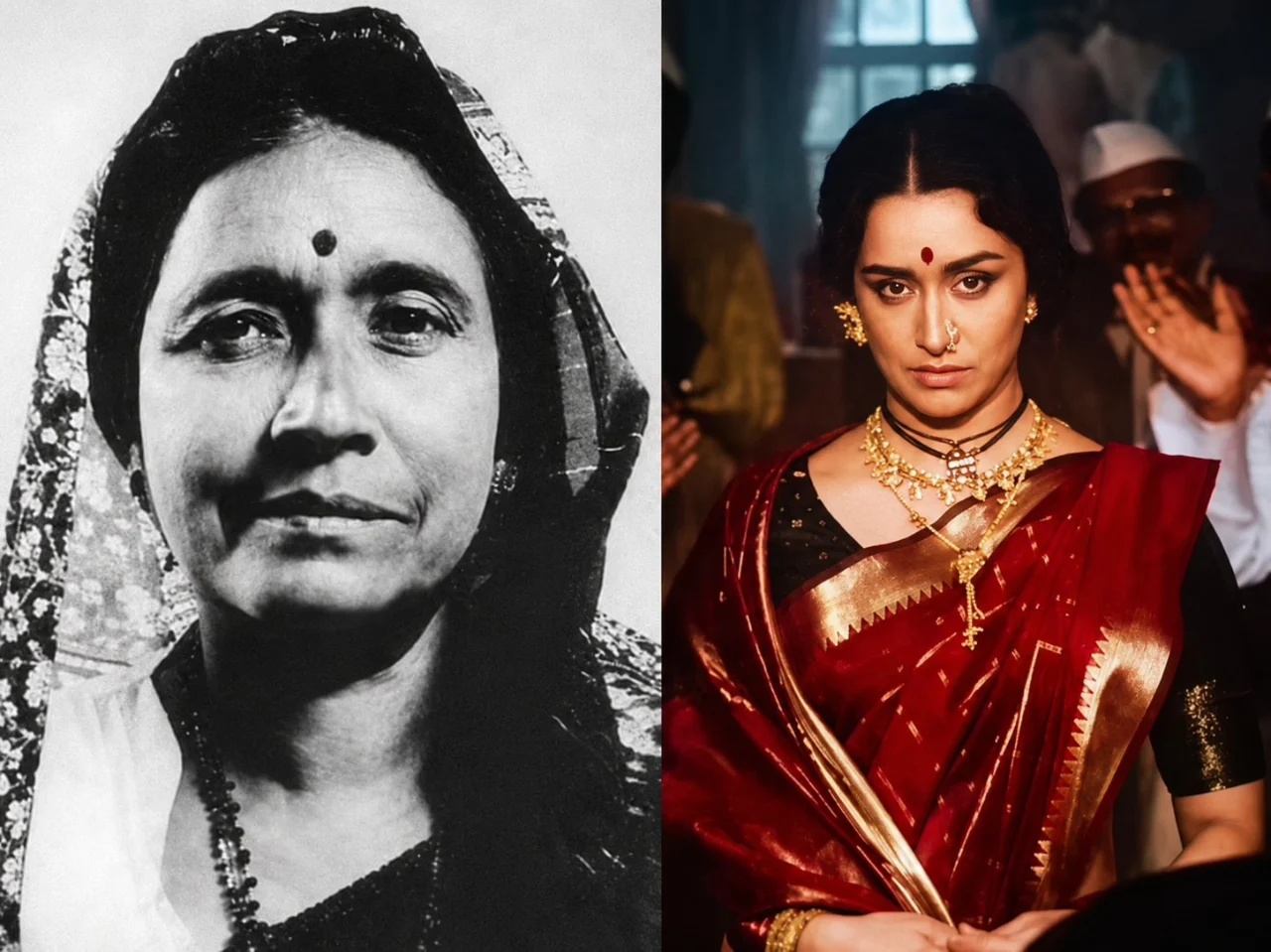
A hard life off stage
Fame never meant comfort. Vithabai raised eight children, lived through an abusive marriage and long stretches of severe financial hardship, and in her final years struggled with illness and money. Reports note that despite her national honours, she died with unpaid hospital bills. She passed away on January 15, 2002.
Her legacy: Mangala Bansode and the family troupe
Her daughter Mangala Bansode became a celebrated tamasha star in her own right, and the family troupe continues under Kailash and his sons Rohit and Mohit. Before Eetha, her life inspired a Marathi play, Vitha, by Shantanu Ghule, and a Marathi film, also called Vitha, starring Urmila Kanetkar, which was completed but never released.
How Eetha tells her story
Eetha is directed by Laxman Utekar (Chhaava) for Maddock Films and Kathputli Creations, with music by Ajay-Atul. Shraddha Kapoor plays Vithabai across several decades, with Randeep Hooda and Anant Joshi in key roles. The family has shared photographs with the makers but says it has not signed a formal contract, and accepts the film will take creative liberties.
The title itself caused a stir: the NCP and members of the family asked the makers to use her full, nationally recognised name, Vithabai Narayangaonkar, rather than the nickname. The film releases on December 4, the same day as Salman Khan’s Maatrubhumi. See our Eetha vs Maatrubhumi box office clash breakdown.
FAQ
Who was Vithabai Narayangaonkar?
A legendary Tamasha and Lavani artist from Maharashtra (1935–2002), known as the Tamasha Samradni, whose life inspires the film Eetha.
Is Eetha a true story?
Yes. Eetha is a biopic based on the life of Vithabai Narayangaonkar.
Did Vithabai really perform after giving birth?
Yes. The best-known story of her life is that she delivered her son Kailash backstage in 1962 and returned to perform.
What awards did Vithabai Narayangaonkar win?
She received the President’s medal twice, in 1957 and 1990, for her contribution to folk culture.
Who plays Vithabai in Eetha?
Shraddha Kapoor.
When is Eetha releasing?
December 4, 2026, in theatres.
Watch the official trailer on YouTube: Eetha official teaser