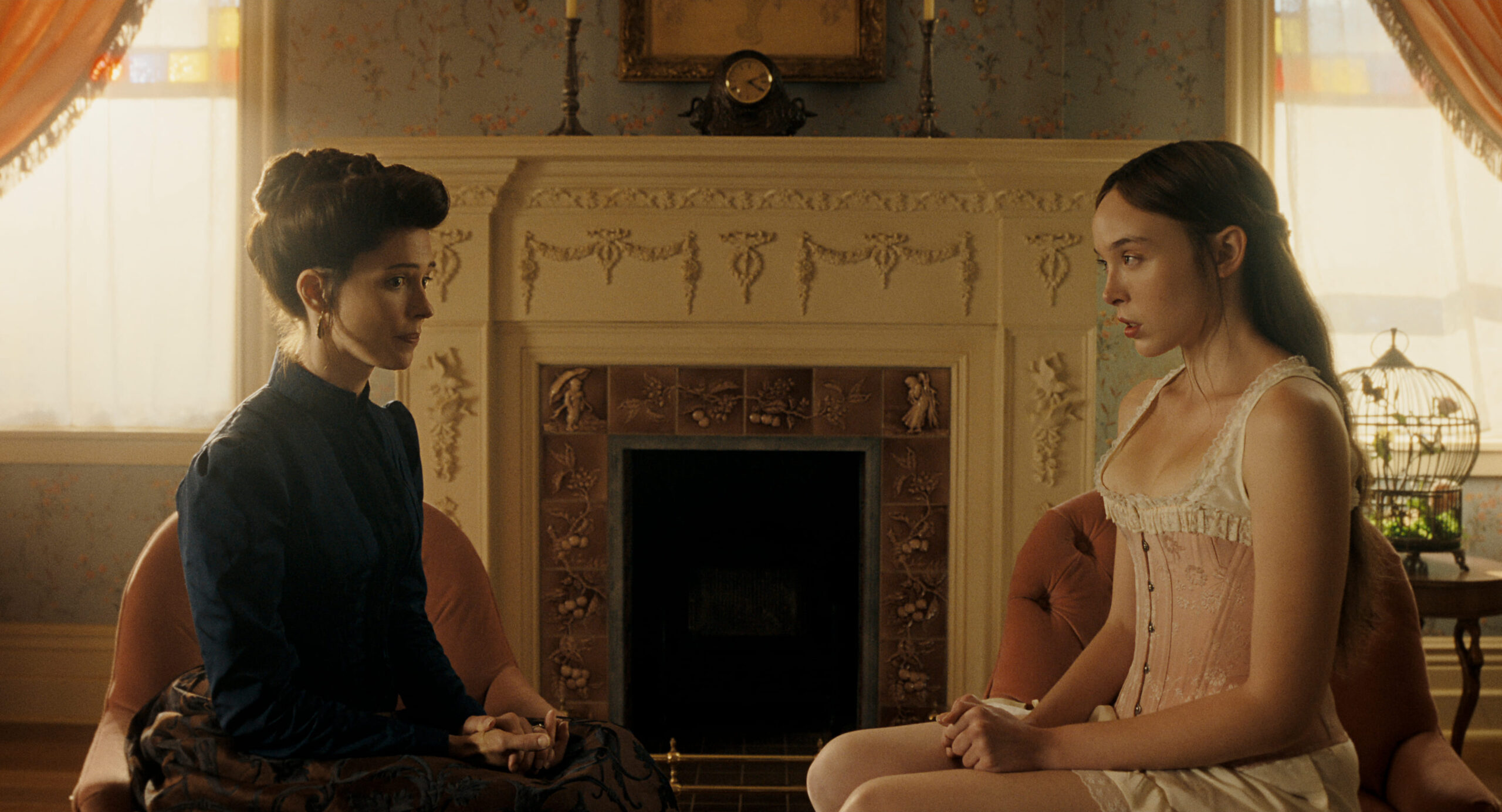
Ryan Murphy and Ian Brennan have officially shifted their focus from the mid-20th century to the Victorian era. Following the massive success of the Jeffrey Dahmer and Menendez Brothers installments, the fourth season of the Netflix anthology series explores one of America’s most enduring mysteries. Monster: The Lizzie Borden Story marks a significant milestone for the franchise as it introduces its first female protagonist.
The series aims to deconstruct the psychological profile of a woman who became a household name through a grizzly nursery rhyme. While previous seasons focused on killers whose guilt was largely established, this season grapples with the 1893 acquittal that shocked a nation. The production leans into the question of whether monsters are born or made, placing the socio-political constraints of 19th-century womanhood at the forefront of the narrative.
Official Release Date and How to Watch
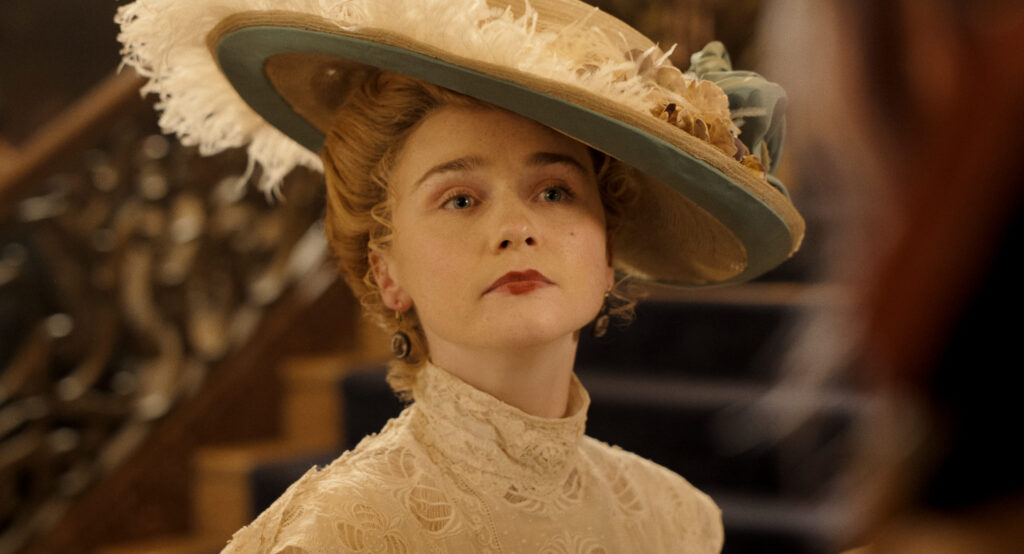
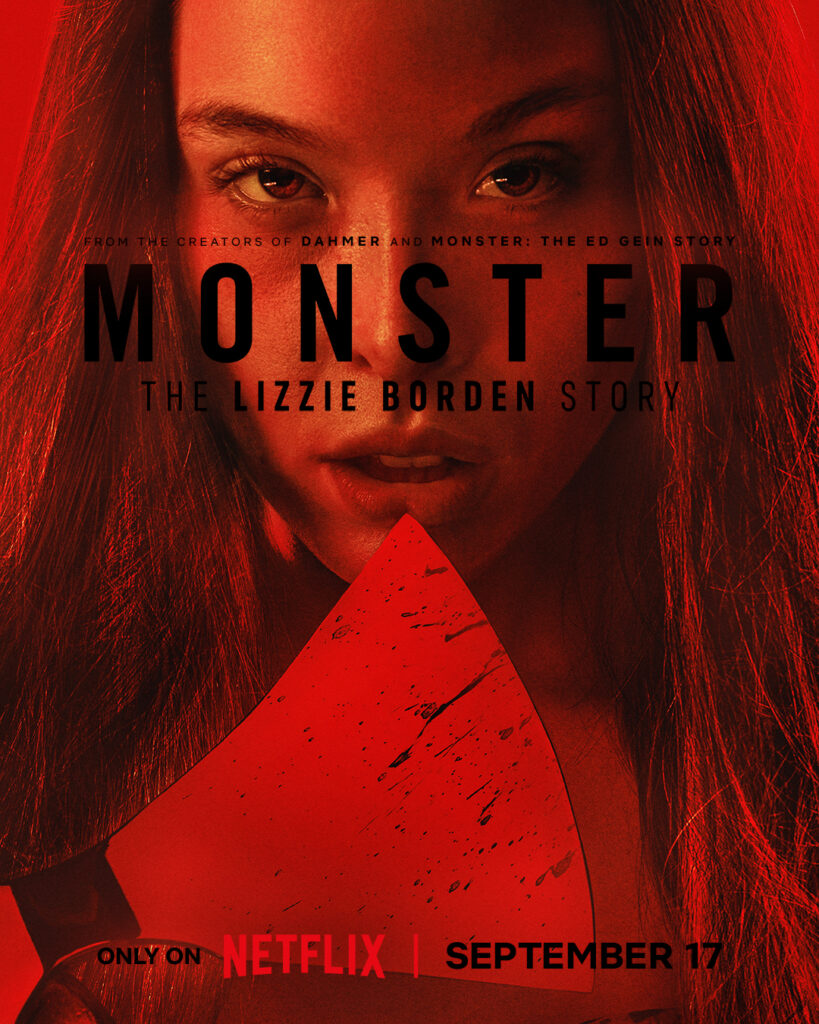
Netflix released all episodes of Monster: The Lizzie Borden Story on Thursday, 17 September 2026. As a Netflix original, the series is available exclusively on the streaming platform worldwide. Unlike traditional weekly releases, the entire season dropped at once, catering to the binge-watching habits of true crime enthusiasts.
The show consists of eight episodes, each exploring different facets of the Borden household’s dysfunction and the subsequent legal firestorm. Viewers should ensure their subscription is active to access what is already becoming one of the most talked-about shows of the fall 2026 season. The series carries a mature rating due to its graphic depictions of violence and complex adult themes.
Meet the Cast: Who Plays Who in Season 4?
The casting for this season combines breakout talent with seasoned veterans of the Ryan Murphy universe. The ensemble is tasked with bringing a heightened, often surreal energy to the drab surroundings of Fall River, Massachusetts.
| Actor | Character | Role Description |
|---|---|---|
| Ella Beatty | Lizzie Borden | The central figure accused of the axe murders. |
| Charlie Hunnam | Andrew Borden | Lizzie’s father, a bitter undertaker. |
| Rebecca Hall | Abby Borden | Lizzie’s uptight and estranged stepmother. |
| Vicky Krieps | Bridget Sullivan / Elizabeth Bathory | The family maid and a legendary countess. |
| Sarah Paulson | Trial Observer | A mysterious figure watching the courtroom drama. |
| Billie Lourd | Fall River Local | A socialite intertwined with the Borden family. |
Ella Beatty as the First Female Monster
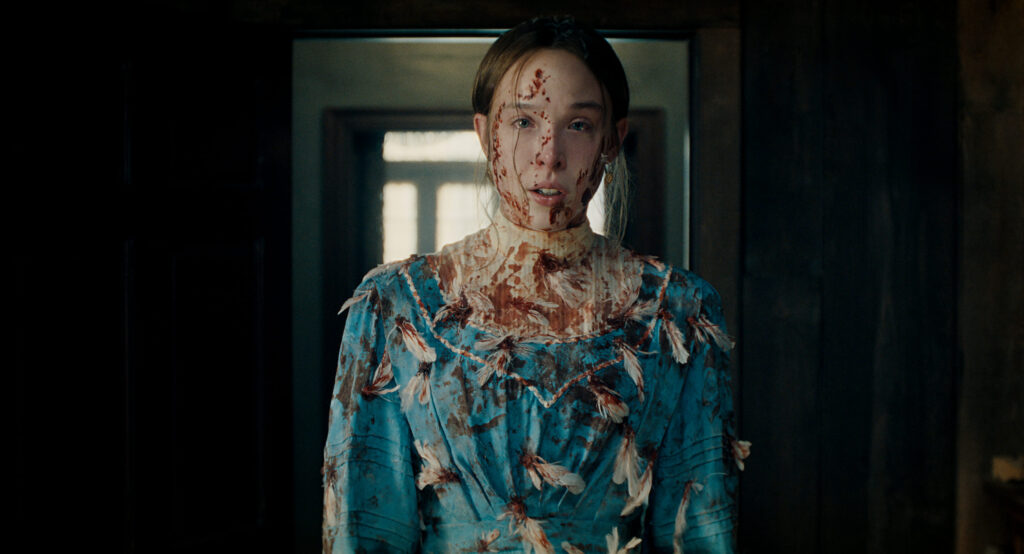
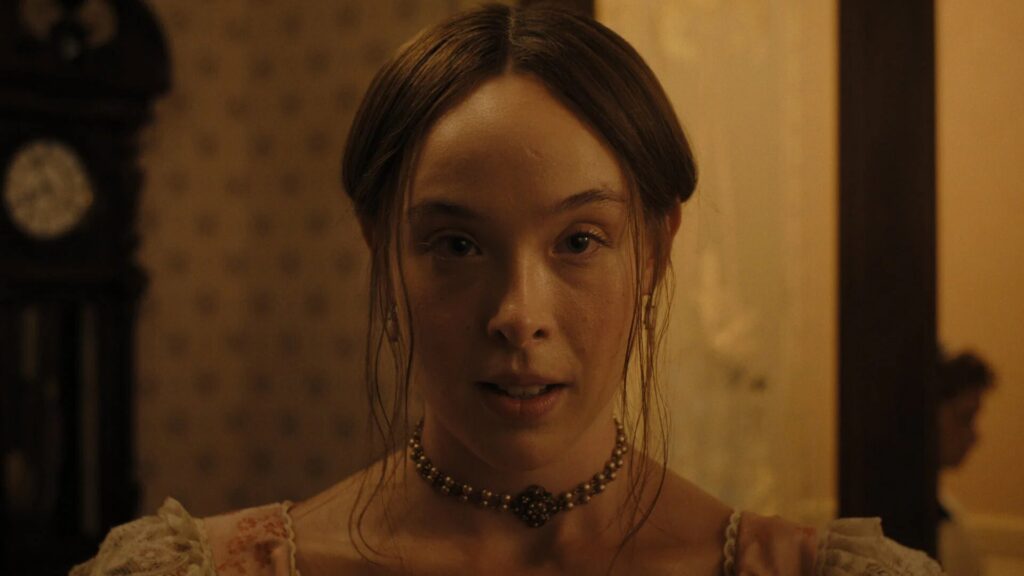
Taking on the mantle of Lizzie Borden is Ella Beatty, whose performance is already generating significant awards buzz. Beatty portrays Lizzie not as a simple villain, but as a young heiress suffocated by the rigid expectations of 1890s society. Her interpretation highlights a woman who is sexually, spiritually, and emotionally confined, eventually leading to a violent outburst that defines her legacy.
Showrunners Ryan Murphy and Ian Brennan conducted an exhaustive search for the lead role. Brennan noted that Beatty won the part within the first five seconds of her audition. Her background in stage productions like Appropriate and Ghosts provided the dramatic foundation needed to handle the script’s heavy emotional weight. As the first female subject in the Monster series, Beatty brings a unique perspective to the “born vs. made” debate that characterizes the anthology.
Charlie Hunnam and the Return of Familiar Faces
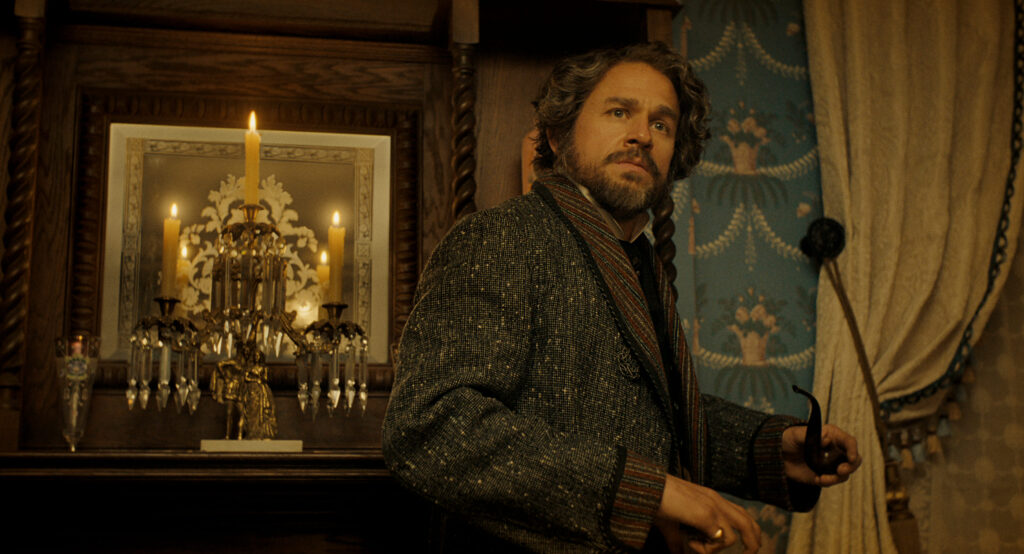
One of the most interesting casting choices is Charlie Hunnam as Andrew Borden. Fans will remember Hunnam from his Emmy-nominated turn as Ed Gein in the third season of the anthology. His return to the series in a completely different role showcases his versatility. As Andrew Borden, Hunnam trades the Midwestern macabre of Gein for the cold, calculating bitterness of a Victorian patriarch.
Hunnam reportedly provided mentorship to Ella Beatty, sharing his experiences on how to inhabit the mind of a historical killer. The character of Andrew is depicted as a man who prides himself on his collection of sharpened axes, a chilling detail that foreshadows his own demise. Rebecca Hall joins him as Abby Borden, portraying a woman whose own frustrations with her marriage manifest as cruelty toward her stepdaughter.
Vicky Krieps: A Duel Role and the Bathory Connection
Vicky Krieps delivers a standout performance playing two distinct characters across different eras. Her primary role is Bridget “Maggie” Sullivan, the Irish housemaid who becomes Lizzie’s confidante and romantic interest. The series explores a speculative, torrid relationship between the two women, suggesting that their bond was a catalyst for the eventual tragedy.
In a creative twist, Krieps also appears in fantasy sequences as Countess Elizabeth Bathory. These segments, filmed on location in Italy, serve as a psychological mirror to Lizzie’s own descent. The show uses the legend of the “Blood Countess” to examine the historical lineage of female violence. This stylistic choice adds a layer of gothic horror to the otherwise grounded period drama, linking the 16th and 19th centuries through themes of female rage.
Plot Overview: The Fall River Murders Reimagined
The series begins by establishing the oppressive atmosphere of the Borden home in Fall River. On 4 August 1892, the bodies of Andrew and Abby Borden were discovered, having been brutally attacked with a sharp instrument. The show does not shy away from the gore, immediately establishing that Lizzie is the culprit rather than maintaining the historical ambiguity of her acquittal.
Instead of a “whodunnit,” the narrative functions as a “whydunnit.” It explores the daily humiliations Lizzie faced, from her father’s frugality to her stepmother’s disdain. The arrival of Bridget Sullivan acts as the spark that ignites Lizzie’s desire for freedom. The plot follows their secret romance and the plotting of the murders as a desperate means of escape from a life of servitude and domestic misery.
The 1990s Timeline: A Surprising Connection
In a move that distinguishes this season from previous adaptations, the story spans from the mid-19th century all the way to the 1990s. The showrunners use a non-linear structure to show how the Borden murders “trickle down” through American history. This timeline exploration suggests that the Borden case influenced modern true crime fascinations and perhaps even specific 20th-century killers.
This 1990s connection serves as a meta-commentary on the public’s obsession with violence. It examines how Lizzie Borden transitioned from a real person to a mythical figure in pop culture, inspiring nursery rhymes and sensationalized media coverage that persists today. By bridging these eras, Murphy and Brennan argue that the “monster” is not just the individual, but the society that consumes their story.
Historical Accuracy: The Axe, The Hatchet, and The Verdict
While the show takes significant creative liberties, it is rooted in specific historical facts. In reality, the murder weapon was likely a small hatchet found in the basement, not a full sized axe. The series depicts this distinction, even as it plays with the famous nursery rhyme that mentions “40 whacks.” In truth, Abby Borden was struck approximately 18 to 19 times, while Andrew received 10 to 11 blows.
The 1893 trial remains a focal point of the season. At the time, an all-male jury struggled to believe that a well-bred, church-going woman could be capable of such savagery. The series highlights the gender biases of the era, showing how Lizzie’s social standing and Victorian perceptions of femininity acted as a shield. The acquittal on 20 June 1893 remains one of the most controversial moments in legal history, a fact the show uses to highlight the flaws in the justice system.
Comparison: Ryan Murphy vs. The 2018 Lizzie Film
Many viewers will inevitably compare this series to the 2018 film Lizzie, which starred Chloe Sevigny and Kristen Stewart. While both versions explore the theory of a lesbian affair between Lizzie and Bridget, the Netflix series has a much broader scope. The film was a claustrophobic character study, whereas the Monster anthology is an expansive, stylized epic.
Murphy’s version introduces more surreal elements, such as the Elizabeth Bathory flashbacks and the multi-generational timeline. The Netflix series also leans into a more “punk” aesthetic for Bridget Sullivan, giving her a modern edge that contrasts with the period setting. While the 2018 film was praised for its subtlety, the 2026 series is designed for maximalism, featuring the high-intensity performances and graphic visuals that are hallmarks of Murphy’s work.
Production Secrets: From Massachusetts to Italy
The production of Monster: The Lizzie Borden Story was an international affair. While much of the primary action takes place in a meticulous recreation of the Fall River house, the Elizabeth Bathory segments required a shift in location. The crew traveled to Italy to capture the ancient, bloody grandeur of the Countess’s castle. This contrast between the cramped, wooden interiors of Massachusetts and the sprawling stone fortresses of Europe visualizes Lizzie’s internal mental shift.
The makeup and prosthetic departments faced the challenge of recreating the brutal crime scenes based on original 1892 photographs. Because the show aims for visceral impact, the technical work behind the “axe” murders was highly detailed. Actors also noted the physical toll of the shoot, with Charlie Hunnam and Rebecca Hall performing intense scenes that involved significant physical discomfort to portray the family’s sickness and decay.
Monster: The Lizzie Borden Story is a provocative addition to the Ryan Murphy library. It successfully transitions the franchise into the realm of female-led true crime while maintaining the shocking violence and stylistic flourishes that fans expect. By casting Ella Beatty and Vicky Krieps, the show finds a beating heart amidst the carnage, offering a speculative but fascinating look at what might have happened behind the closed doors of the Borden home.
Whether you are a history buff interested in the 1893 trial or a fan of psychological thrillers, this season offers plenty to dissect. It challenges the viewer to look past the nursery rhyme and see the woman underneath: a figure of rage, repression, and eventual ruin. As the first female monster in the series, Lizzie Borden sets a new standard for the anthology’s future.
Frequently Asked Questions
Q. Who plays Lizzie Borden in the new Netflix series?
Ella Beatty stars as Lizzie Borden. She is the daughter of actors Warren Beatty and Annette Bening and has received praise for her complex portrayal of the historical figure.
Q. Is the story of Lizzie Borden based on a true story?
Yes, the series is based on the real-life murders of Andrew and Abby Borden in Fall River, Massachusetts, in 1892. While Lizzie was acquitted, the show explores the theory that she was indeed responsible.
Q. When was Monster: The Lizzie Borden Story released?
The series premiered on Netflix on 17 September 2026. All episodes were made available for streaming on the same day.
Q. Does Charlie Hunnam play a killer in this season?
No, in this season, Charlie Hunnam plays the victim, Andrew Borden. This is a departure from his role in the previous season where he played the killer Ed Gein.
Q. Are there connections to other Monster seasons?
While the characters are different, the show shares thematic links regarding the psychology of killers and the societal factors that create “monsters.” The casting of Charlie Hunnam also serves as a meta-connection for fans of the anthology.

1 thought on “Monster: The Lizzie Borden Story Netflix Cast & Release Guide”