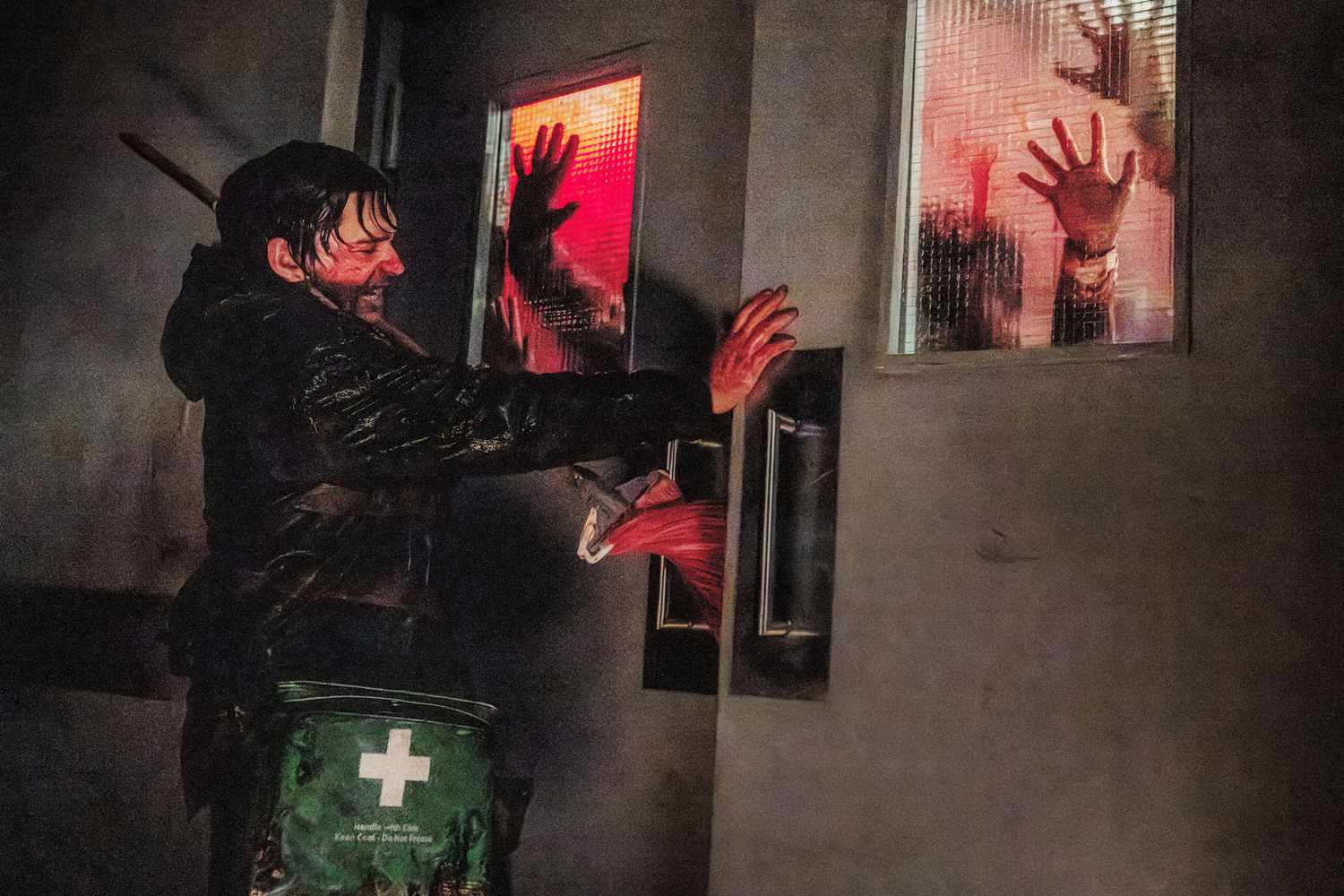
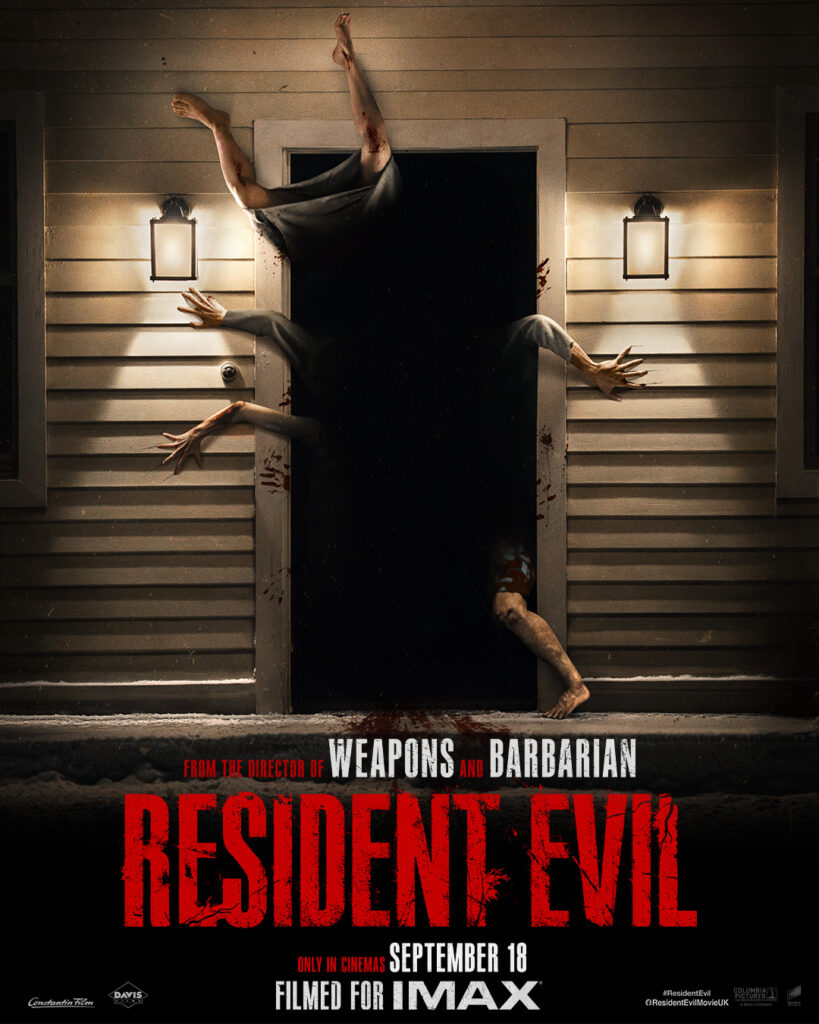
Zach Cregger has officially brought survival horror back to its roots. His Resident Evil reboot, which hit theaters on September 18, 2026, marks a radical departure from the high-octane action seen in previous film iterations. Instead of focusing on superhuman protagonists like Alice or veteran STARS members like Chris Redfield, this film centers on the harrowing experience of an everyday civilian.
As the credits roll on this 95-minute nightmare, many fans find themselves glued to their seats. In an era where Marvel and other franchises have conditioned us to wait for a final stinger, the question is inevitable: is there a Resident Evil post-credit scene? Here is the definitive guide to the film’s conclusion and why the choice to skip a teaser might be the smartest move for the franchise yet.
The Quick Answer: Is There a Resident Evil Post-Credit Scene?
If you are currently sitting in a dark theater wondering if you can head to the lobby, the answer is simple: No, Resident Evil (2026) does not have a mid-credits or post-credits scene.
Unlike 2010’s Resident Evil: Afterlife, which famously used a post-credits sequence to reveal the return of Jill Valentine, or the 2021 reboot that teased Albert Wesker’s resurrection, Zach Cregger’s version ends exactly when the screen cuts to black. There are no hidden messages, no surprise character cameos, and no 30-second clips showing a familiar face like Leon S. Kennedy or Ada Wong.
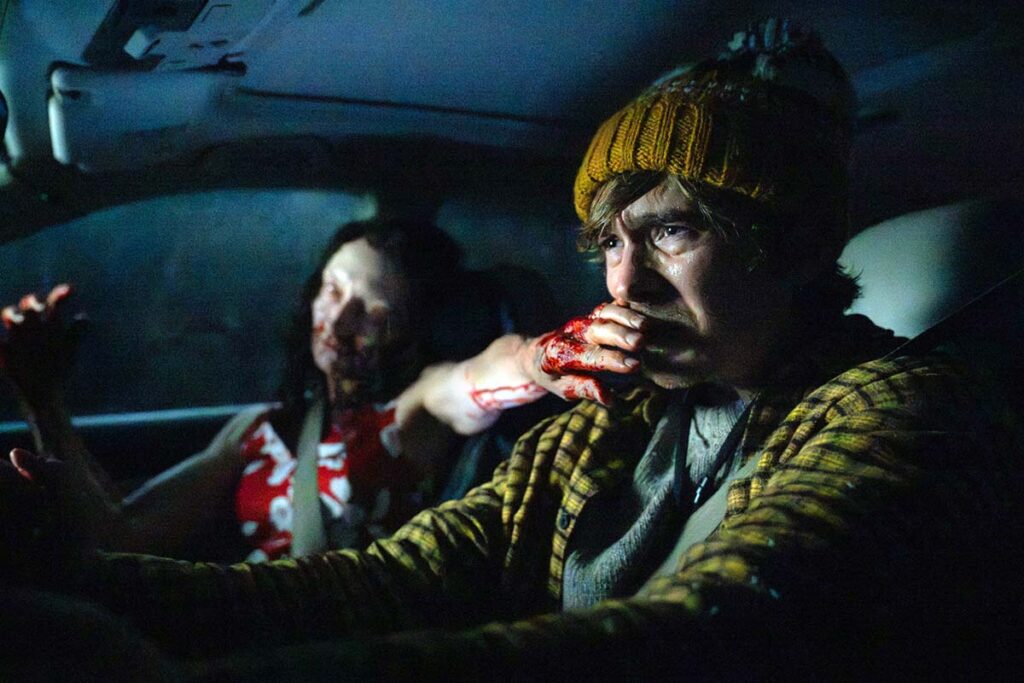
While the lack of bonus footage might feel like a missed opportunity for sequel-baiting, it serves a specific narrative purpose. The film is designed as a self-contained survival horror experience. Once the credits begin, the story of Bryan, played by Austin Abrams, has reached its natural conclusion. You are free to exit the theater immediately, though there are atmospheric reasons to stay for the music.
Why Zach Cregger Skipped the Post-Credits Trend
Director Zach Cregger, known for his work on Barbarian, has been vocal about his desire to treat this film as a standalone piece of art. In recent interviews, Cregger noted that while he has ideas for the future, he did not want to put the horse before the cart.
By avoiding a post-credits teaser, the production team at Sony and Constantin Film sidestepped the common pitfall of promising a sequel that may never happen. We saw this with Welcome to Raccoon City (2021), which ended with significant cliffhangers that were never resolved due to a lukewarm box office reception. For the 2026 film, the focus remained on quality over connectivity. Cregger opted for a brisk 95-minute runtime that prioritizes tension and atmosphere, ensuring the audience feels the weight of the finale without being distracted by a commercial for a potential Resident Evil 2.
Ending Explained: What Happens to Bryan?
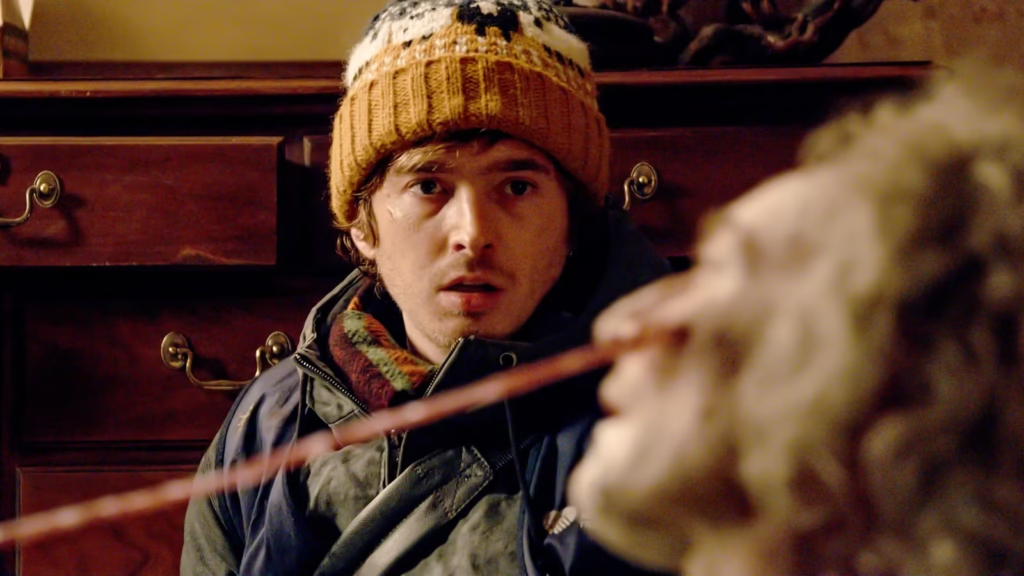
The heart of the film lies in the journey of Bryan, a medical courier played by Austin Abrams. Tasked with delivering a package to Raccoon City General Hospital, Bryan finds himself trapped in a nightmare as the T-virus outbreak transforms the city into a slaughterhouse.
Unlike the game protagonists who are often heavily armed and trained, Bryan is a civilian. The ending of the film is tragic and visceral. As the T-virus takes hold, we witness Bryan’s final transformation. The resolution of the cure remains ambiguous, leaving the audience with a sense of dread rather than a clean victory. This unresolved fate highlights the hopelessness of the Raccoon City incident, staying true to the survival horror ethos where not every hero gets to walk away into the sunset.
The Raccoon City Setting: Timelines and Canon
One of the most common points of confusion for viewers is where this movie fits in the messy Resident Evil timeline. To be clear, Zach Cregger’s Resident Evil is a total reboot.
- It is not a sequel to the Milla Jovovich films directed by Paul W.S. Anderson.
- It is not connected to the 2021 Welcome to Raccoon City film.
- It is a new continuity that draws lore from the original 1996 and 1998 games but tells a different story.
By setting the movie in Raccoon City General Hospital during the events of the second game’s timeline, Cregger is able to use the T-virus and the Umbrella Corporation as looming threats without needing to explain years of previous movie baggage. This makes it the perfect entry point for newcomers who have never played a Capcom game or seen a previous movie.
| Feature | Resident Evil (2026) |
|---|---|
| Lead Protagonist | Bryan (Courier) |
| Post-Credits? | No |
| Core Genre | Psychological Horror |
| Runtime | 95 Minutes |
Soundtrack Analysis: The Meaning of Animal Farm
While there is no post-credit scene, the credits themselves are worth experiencing for the sound design. The film transitions to a menacing red-on-black aesthetic as the song Animal Farm by The Kinks begins to play.
This choice of music is deeply symbolic. The lyrics speak of a world that is big, wild, and half insane, yearning for a place where real animals play. In the context of Resident Evil, this mirrors the degradation of humanity into something feral and monstrous. It serves as a haunting metaphor for the Umbrella Corporation’s hubris: trying to control nature and ending up with a world where people are treated like livestock in a failed experiment.
Following the Kinks, the score shifts into original compositions by Hays Holladay and Ryan Holladay. The tracks Main Titles Extended and Skybridge Reprise (featuring Shannon Lay) provide a chilling coda to the film. The Skybridge Reprise, in particular, has been noted by fans for its tonal similarities to the save room themes from the original 1996 PlayStation game, offering a sense of temporary, eerie safety that never truly lasts.

Comparing Resident Evil 2026 to Previous Movies
Historically, Resident Evil movies have been criticized for straying too far from the source material. The Anderson films transformed the series into a high-budget action spectacle, while the 2021 reboot tried to pack two entire games into one movie.
Zach Cregger’s approach succeeds where others failed by narrowing the scope. By focusing on the Raccoon City General Hospital, the film feels claustrophobic and personal. Critics have already dubbed it the highest-rated video game film ever made across live-action and animation, eclipsing previous records. This success is largely due to the film’s commitment to being a horror movie first and a franchise installment second.
Austin Abrams brings a vulnerability to the role of Bryan that we haven’t seen in the series before. We aren’t watching a superhero fight monsters: we are watching a terrified young man try to deliver a package while the world ends around him. This grounded perspective makes the eventual horror of the T-virus feel much more impactful than the CGI-heavy battles of the past.
Will There Be a Resident Evil Sequel?
Even though there is no teaser, a sequel is almost a certainty given the projected box office numbers. The film is expected to open between $120 million and $150 million globally. Sony is reportedly keen to have Zach Cregger return for another installment, though his schedule is currently packed.
Cregger has mentioned that while he treated this as a one-off, he has begun ruminating on other stories within this specific universe. However, he is currently occupied with a science-fiction project titled The Flood and a prequel to his upcoming movie Weapons, titled Gladys, which focuses on Amy Madigan’s character.
If a sequel does happen, it would likely follow the fallout of the Raccoon City incident on a larger scale. Now that the world of this reboot has been established, there is plenty of room to introduce characters like Jill Valentine or Leon Kennedy in a way that feels organic to Cregger’s darker, more grounded tone. The lack of a post-credit scene means the filmmakers have a blank slate for whatever comes next.
Resident Evil (2026) is a triumph for survival horror fans. It proves that you do not need a massive cast of game characters or a multi-film roadmap to make a compelling video game adaptation. By focusing on a single, terrifying night in Raccoon City, Zach Cregger has breathed new life into a franchise that many thought was dead.
To recap for those heading to the theater:
- Stay for the music: The Kinks and the Holladay brothers provide a perfect atmosphere.
- Leave for the scenes: There is absolutely nothing after the credits end.
- Pay attention to the lore: The film uses the T-virus and Umbrella in ways that reward long-time fans without alienating new ones.
Whether you are a veteran of the Spencer Mansion or a newcomer to the horrors of Umbrella, this film offers a refreshing, self-contained experience that respects the audience’s time. The lack of a post-credit scene isn’t a sign of a lack of ambition: it is a sign of a director confident enough to let his story end where it needs to.
Frequently Asked Questions
Q. Does Resident Evil 2026 have a secret ending?
No. There are no hidden or secret endings after the credits. The movie concludes completely before the credits roll.
Q. Who does Austin Abrams play in Resident Evil 2026?
Austin Abrams plays an original character named Bryan, a medical courier who gets trapped in Raccoon City during the viral outbreak.
Q. Are Leon Kennedy or Jill Valentine in the new movie?
No, the 2026 film focuses on a new protagonist and does not feature the main cast of the video games, such as Leon, Jill, or Chris Redfield.
Q. What song plays during the Resident Evil 2026 credits?
The primary song is ‘Animal Farm’ by The Kinks, followed by original score tracks ‘Main Titles Extended’ and ‘Skybridge Reprise’ by Hays and Ryan Holladay.
Q. Is Resident Evil 2026 connected to the Milla Jovovich movies?
No, it is a complete reboot with a new continuity and has no connection to the previous film series or the 2021 reboot.

1 thought on “Resident Evil 2026 Ending Explained: Why No Post-Credits Scene?”