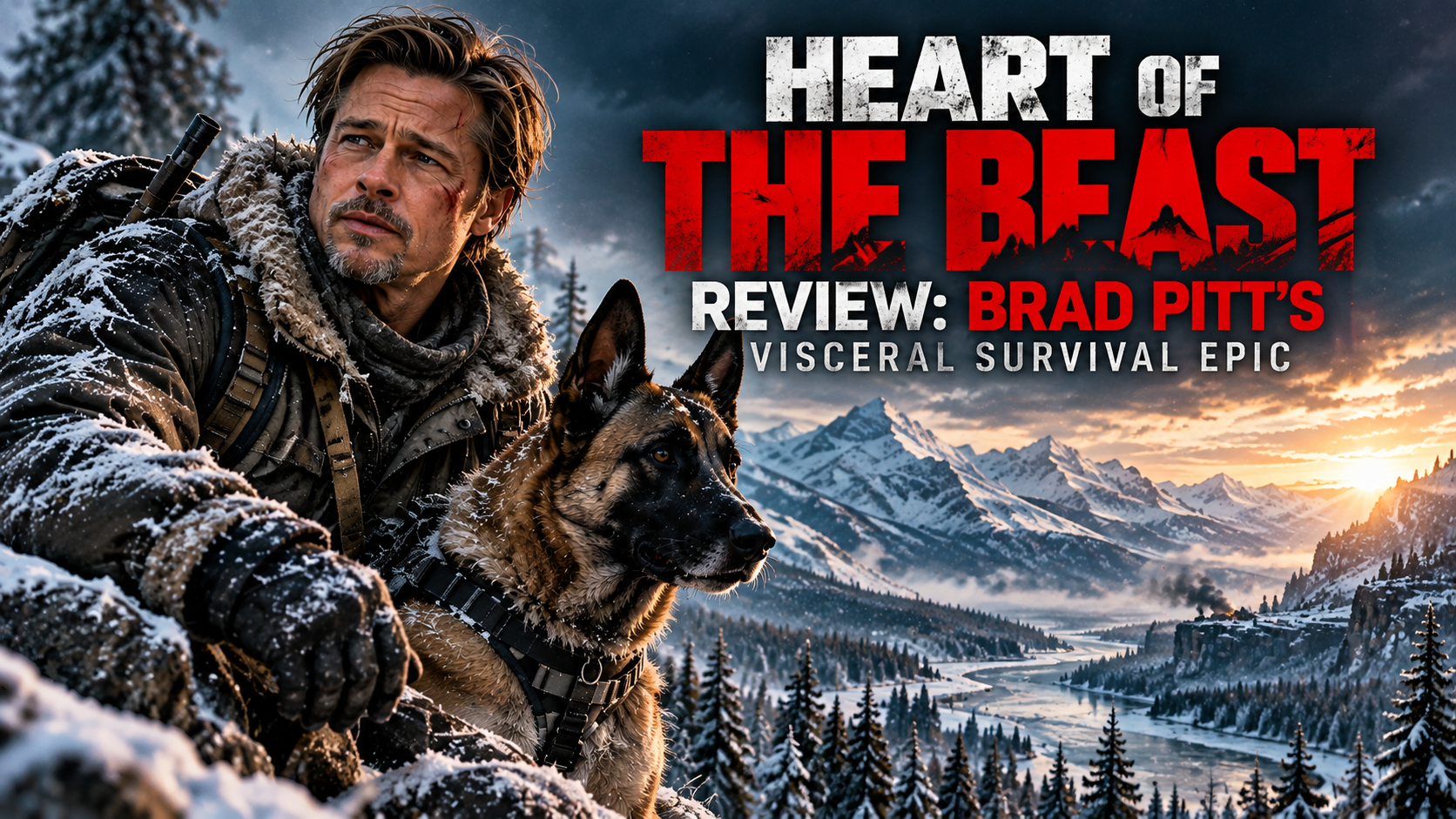
Survival films often rely on the primal fear of the unknown, but David Ayer’s newest offering, Heart of the Beast, adds a layer of emotional vulnerability rarely seen in the genre. Released in September 2026, the film serves as a grueling, intimate character study that pairs a legendary actor with a four-legged star who threatens to steal every scene. This is not just a movie about a man lost in the woods: it is a meditation on trauma, loyalty, and the literal will to keep the heart beating.
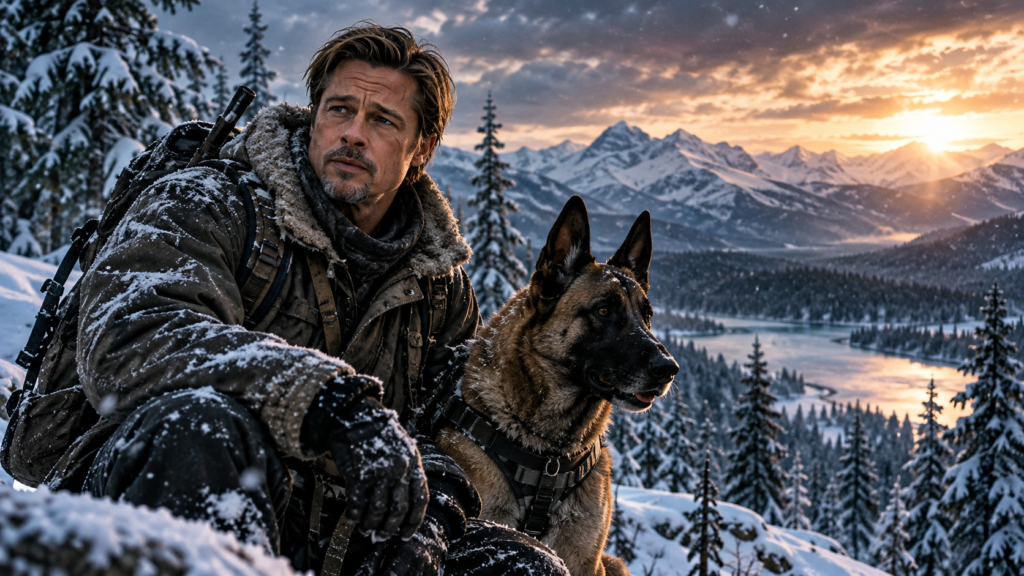
The Premise: Survival Against All Odds
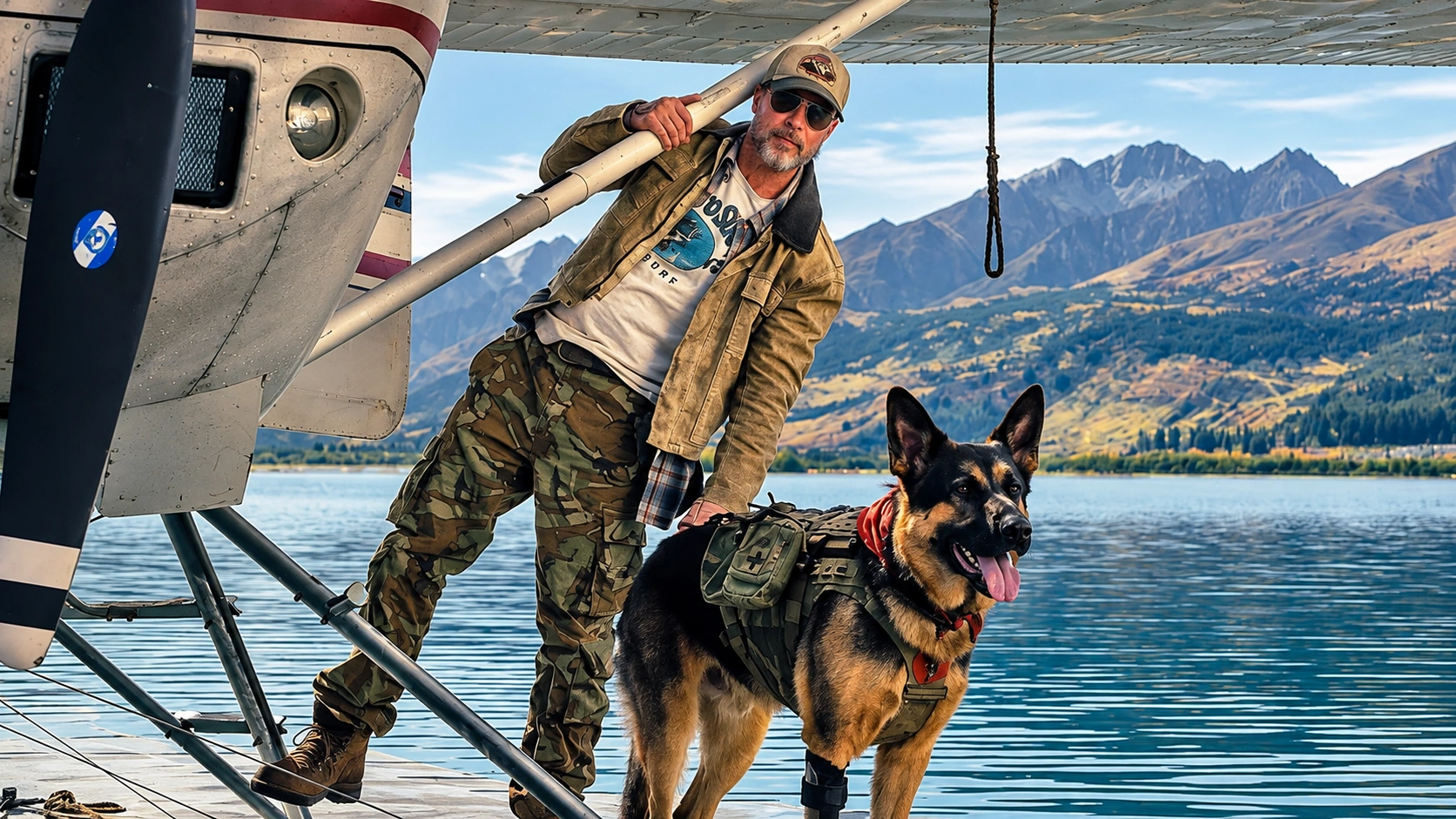
Brad Pitt stars as James Belmont, a retired Army Special Forces officer who has retreated to the fringe of society. His only constant companion is Odin, a Belgian Malinois who is just as battle-scarred as his owner. Odin notably sports a prosthetic limb, a detail that mirrors James’ own internal fractures. The story kicks off when the duo travels into the remote Alaskan wilderness via seaplane for a quiet excursion.
Disaster strikes on the return journey when James suffers a sudden medical emergency, a heart attack that causes the plane to plummet into a dense, unforgiving forest. Stranded miles from civilization with limited supplies, James must battle his failing body while Odin navigates the terrain to protect his master. The narrative is tight, focused, and incredibly lean. For much of the 104-minute runtime, the screen belongs solely to Pitt and his canine counterpart.
A Two-Man Show: Pitt and Uber the Dog
While Brad Pitt delivers a masterclass in physical acting, the real breakout star is Uber, the dog who portrays Odin. It is rare for a human actor of Pitt’s stature to be outshined, but Uber manages to capture a range of emotions that ground the film’s more extreme moments. Pitt uses his facial expressions and heavy, labored movements to convey a man at the end of his rope. His performance reminds us why he remains a top-tier leading man: he has the magnetism to carry a film with almost zero dialogue.
The chemistry between the two is palpable. It does not feel like a trainer-led performance. Instead, it feels like a genuine partnership. The script, penned by Cameron Alexander, avoids the mushy tropes often found in animal-centric movies. There are no talking dogs or overly sentimental voiceovers. The bond is communicated through shared glances, frantic protection, and the silent language of two veterans who have seen the worst of humanity.
Supporting Roles
Despite the billing, J.K. Simmons and Anna Lambe have very limited screen time. Simmons plays Watkins, a fellow traveler who shares a brief but pivotal camping scene with James. His character provides the thematic anchor for the movie by leaving behind a circled quote: “It’s not who you live for. It’s who you’d die for.” Anna Lambe, though prominently listed in promotional materials, appears for less than five minutes, leaving some viewers wanting more from her character’s perspective.
Technical Brilliance: Cinematography and Sound
Visually, Heart of the Beast is a triumph. Cinematographer Mauro Fiore, known for his ability to capture scale, turns the Alaskan wilderness into a living, breathing antagonist. The use of light and shadow creates a sense of claustrophobia even in wide-open spaces. The camera lingers on the textures of the forest: the sharp pine needles, the frozen moss, and the looming shadows of predators like wolves and bears.
The editing by Dody Dorn ensures that the film never overstays its welcome. At 1 hour and 41 minutes, there is no filler. Every scene serves either to heighten the tension or to deepen the psychological profile of the protagonists. Jared Michael Fry’s musical score acts as a third character, elevating the intensity during the crash sequence and providing a haunting, melodic backdrop to the quieter moments of reflection.
Representation of PTSD: Man and Canine
One of the most profound aspects of Heart of the Beast is its treatment of Post-Traumatic Stress Disorder. The film does not just focus on James’ flashbacks. It explicitly shows that Odin, a former military working dog, suffers from the same affliction. We see the dog experience night terrors and tremors, a stark reminder that the animals we send into combat zones carry the weight of war just as heavily as their human handlers.
David Ayer uses tight, compact shots to simulate the feeling of a panic attack. The sound design becomes muffled and distorted during these sequences, putting the audience directly into the headspace of a veteran struggling to stay present. By addressing canine PTSD, the film elevates itself from a standard thriller to a poignant social commentary on how we treat our veterans, both two-legged and four-legged.
The Realism Gap: Suspension of Disbelief
While the emotional beats are grounded, the physical feats occasionally strain credulity. Critics have pointed out that James’ ability to navigate the wilderness immediately following a heart attack and a plane crash requires a significant suspension of disbelief. He endures falls and injuries that would likely incapacitate a healthy individual, let alone one with a cardiac condition.
Similarly, Odin’s mobility with a prosthetic leg is portrayed with a level of agility that might seem unrealistic to those familiar with animal prosthetics. However, the film leans into the idea that adrenaline and the sheer will to protect one another can push the body past its limits. If you can accept the “action hero” resilience of the characters, the tension remains high throughout.
Comparing Survival Cinema: Heart of the Beast vs. The Grey
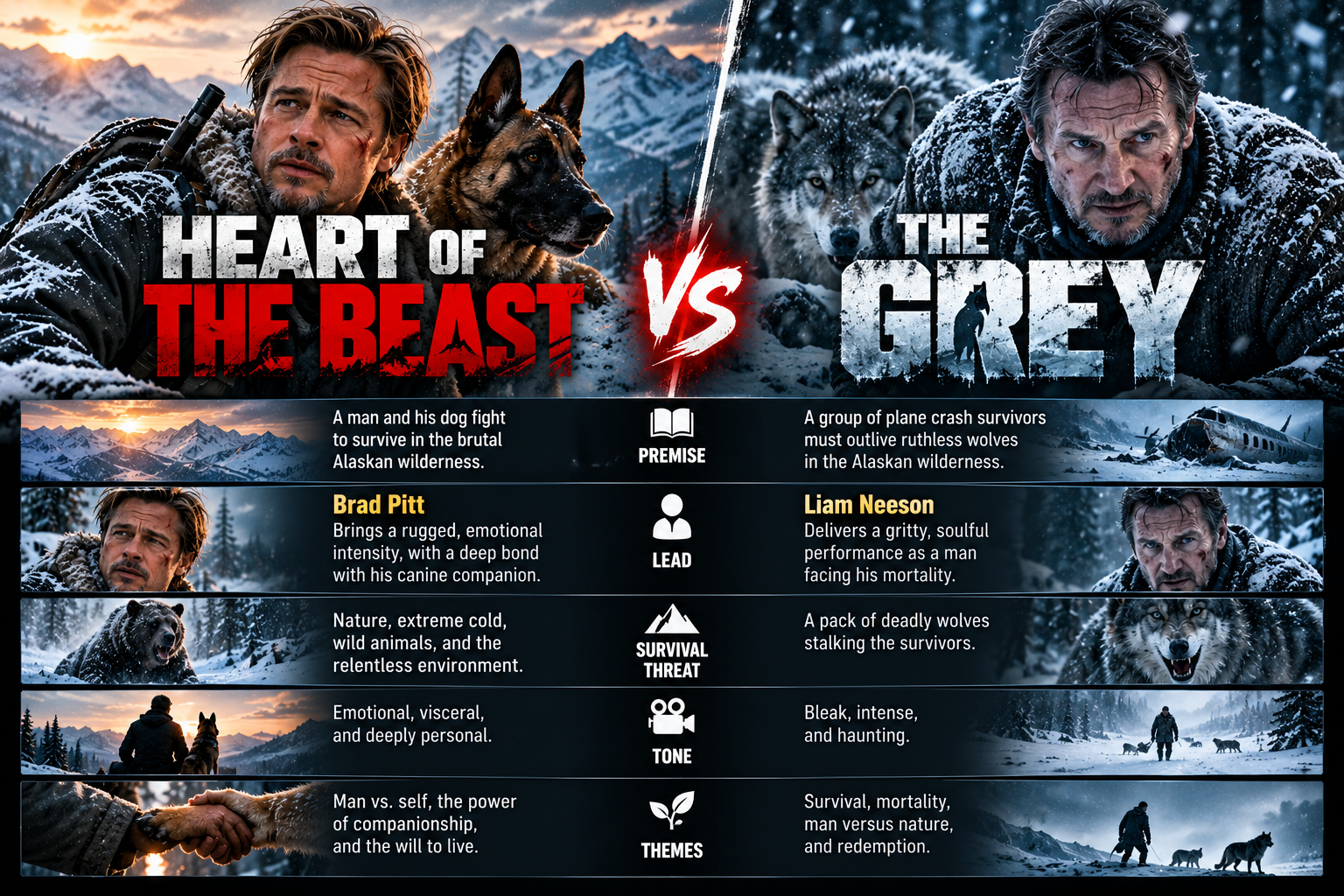
To understand where this film sits in the pantheon of survival movies, it is helpful to compare it to other classics of the genre. Unlike The Grey, which leans into nihilism and the cruelty of nature, Heart of the Beast is ultimately a story about the redemptive power of loyalty.
| Feature | Heart of the Beast (2026) | The Grey (2011) |
|---|---|---|
| Lead Actor | Brad Pitt | Liam Neeson |
| Primary Threat | Environment & Heart Failure | Wolves & Cold |
| Companion | Service Dog (Odin) | Group of Survivors |
| Core Theme | Loyalty and PTSD | Grief and Mortality |
| Runtime | 104 Minutes | 117 Minutes |
| Atmosphere | Poignant & Visceral | Bleak & Philosophic |
The Verdict: Is It Worth a Ticket?
Heart of the Beast is a rare breed of film that manages to be both an adrenaline-pumping thriller and a tear-jerker. It succeeds because it respects the intelligence of the audience and the dignity of its canine star. Brad Pitt delivers his most vulnerable performance in years, stripped of the usual Hollywood gloss.
If you are a fan of survival stories or have a deep bond with a pet, this film will resonate on a visceral level. Just be prepared for an emotional workout. While the physical survival tactics might be slightly exaggerated, the emotional truth at the center of the story is undeniable. David Ayer has successfully pivoted from his usual high-octane ensemble pieces to a quiet, powerful masterpiece.
Frequently Asked Questions
Q. Does the dog die in Heart of the Beast?
Without spoiling the climax, the film focuses on the theme of mutual protection. The tension regarding Odin’s safety is a major driving force, but the movie aims to be a tribute to the resilience of service animals rather than a tragedy for tragedy’s sake.
Q. Is the dog in the movie real or CGI?
Uber, the Belgian Malinois who plays Odin, is a real dog. While some stunts and the prosthetic leg visuals involved digital enhancement for safety and consistency, the core of the performance is a live animal.
Q. Where was Heart of the Beast filmed?
The film was shot on location in the Alaskan wilderness and parts of British Columbia to capture the authentic, brutal beauty of the northern landscape.
Q. Is Heart of the Beast based on a true story?
The film is a work of fiction written by Cameron Alexander, but it is heavily inspired by the real-life accounts of military working dog teams and the bond between Special Forces handlers and their K9 partners.