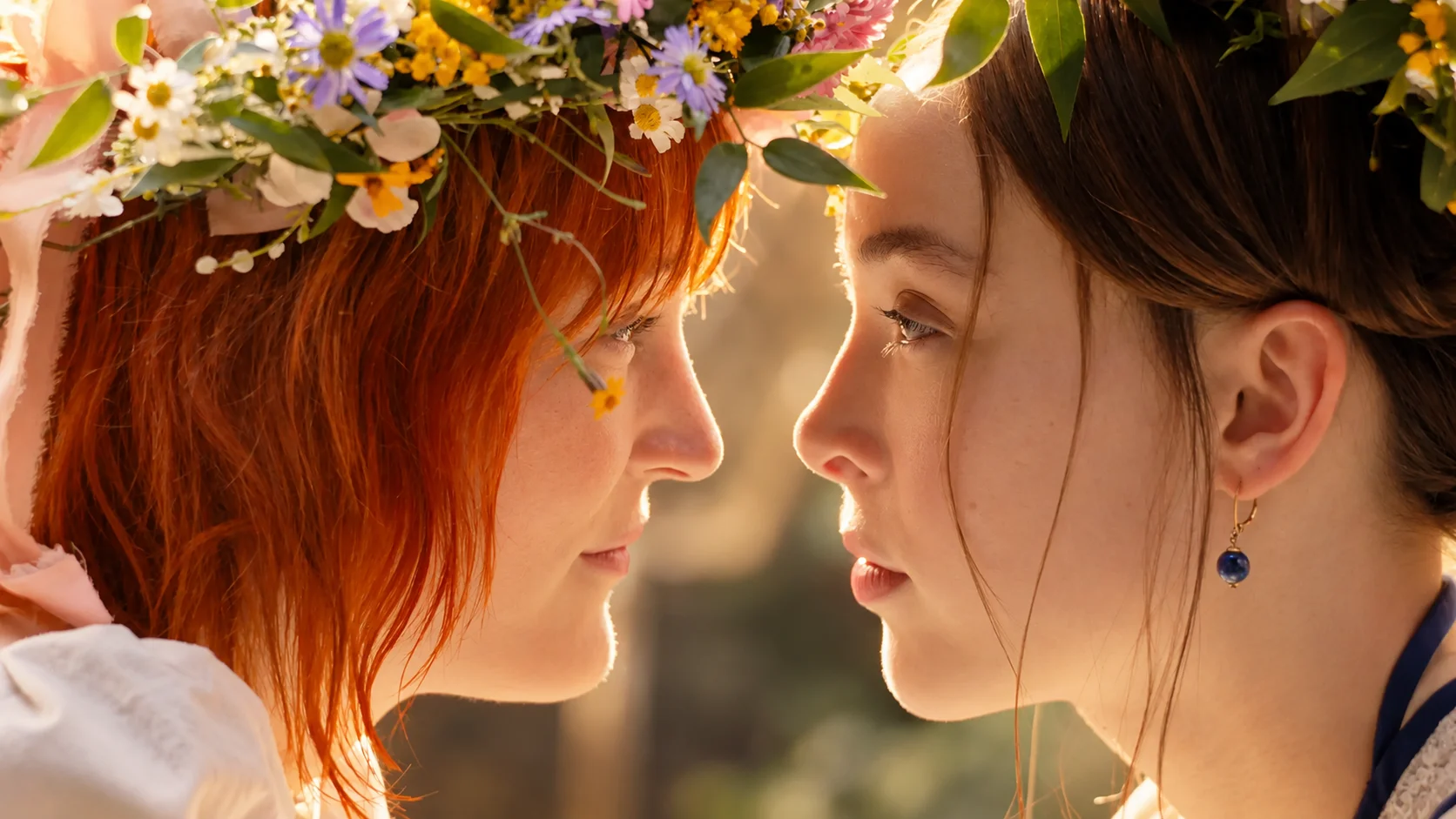
Netflix has officially closed the case on its third installment of the Monster anthology series. Unlike the stories of Jeffrey Dahmer or the Menendez brothers, the ending of Monster: The Lizzie Borden Story takes a daring, surrealist turn that bridges a century of true crime history.
The finale, which arrived on September 23, 2026, moves beyond the courtroom drama to explore the psychological afterlife of its protagonist. While the real Lizzie Borden was famously acquitted in 1893, the show uses its final moments to connect her legacy to another infamous figure: Aileen Wuornos. Here is everything you need to know about that mind-bending ending.
The Surreal Afterlife: Why Aileen Wuornos Appears
The most shocking moment of the finale occurs when the timeline jumps from the late 19th century to October 9, 2002. We see Sarah Paulson reprising her role as Aileen Wuornos, the Florida serial killer who is about to be executed by lethal injection. As Aileen drifts away, she is greeted by Lizzie Borden (Ella Beatty) and Bridget Sullivan (Vicky Krieps).
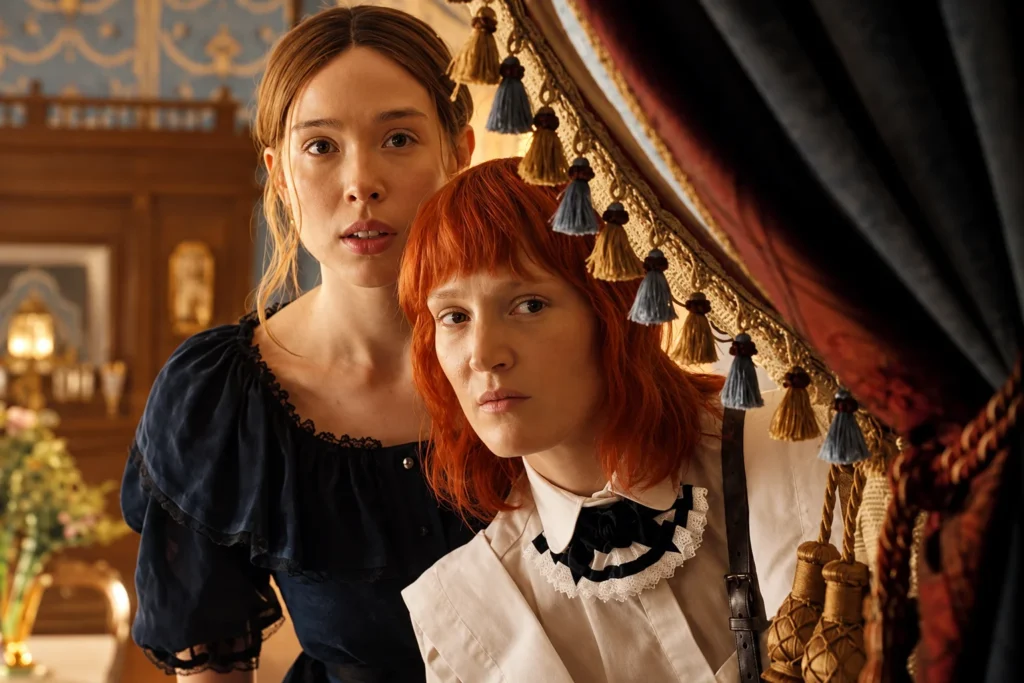
This crossover is not meant to be literal time travel. Instead, it serves as a metaphorical safe space. According to co-creator Ian Brennan, the scene is intended to offer these “tortured souls” a form of peace that society denied them. By having Lizzie welcome Aileen, the show suggests a shared lineage of female rage and trauma. Lizzie, who found a version of a happy ending through wealth and acquittal, acts as a guide for Aileen, who faced the ultimate state punishment.
Did Lizzie Actually Kill Her Parents in the Show?
While the real-life historical record remains officially unsolved, the Netflix series takes a definitive stance. In the show, Lizzie Borden is responsible for the brutal hatchet murders of Andrew and Abby Borden. However, she does not act alone. The series portrays the murders as a collaborative effort between Lizzie and the housemaid, Bridget “Maggie” Sullivan.
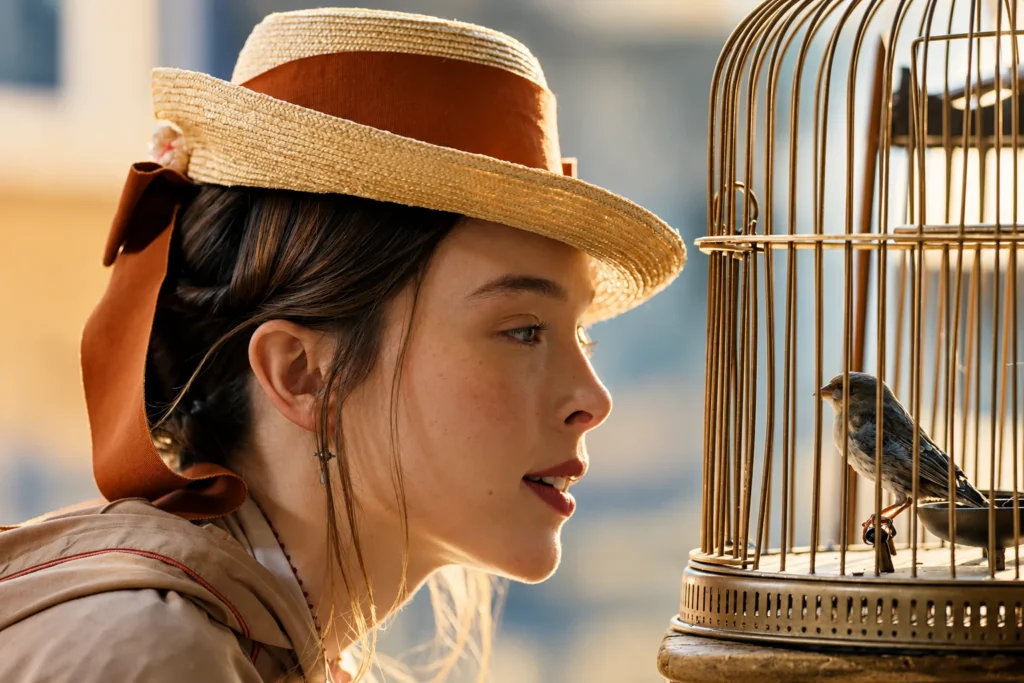
Lizzie’s motivation is rooted in a lifetime of patriarchal oppression, symbolized by the restrictive corsets she wears and the emotional coldness of her father, played by Charlie Hunnam. The breaking point arrives when her stepmother, Abby (Rebecca Hall), kills Lizzie’s beloved flock of doves. This act of cruelty triggers the final plan, which begins with a failed attempt to poison the parents with spoiled oysters before escalating to the hatchet attacks.
The Fate of Bridget Sullivan and the Montana Escape
Bridget Sullivan is the emotional anchor of the season. After the trial, the show depicts her fleeing to Montana to start a new life on a farm with a husband. However, she finds that escaping the past is impossible. The finale shows Bridget nearly killing her new husband with an axe, proving that the violence of Fall River has left a permanent mark on her soul.
Bridget eventually returns to Lizzie. In the show’s version of events, the two women reunite and use their inheritance to fund the women’s suffrage movement. This creative choice reimagines their lives not just as criminals, but as rebels fighting against the very system that confined them. While the real Bridget Sullivan did move to Montana and passed away in 1948, there is no historical evidence that she and Lizzie remained in contact or became political activists together.
Also Read : Who is the Casa Tupka Anthem Girl? Meet Priyanshi Srivastava
The Trial vs. Reality: Why Lizzie Was Acquitted
| Show Element | Historical Fact |
|---|---|
| The Murderer | Lizzie and Bridget act as partners. |
| The Weapon | A hatchet from Andrew’s funeral business. |
| The Motive | Revenge for killed doves and inheritance. |
| The Verdict | Acquitted due to lack of physical evidence. |
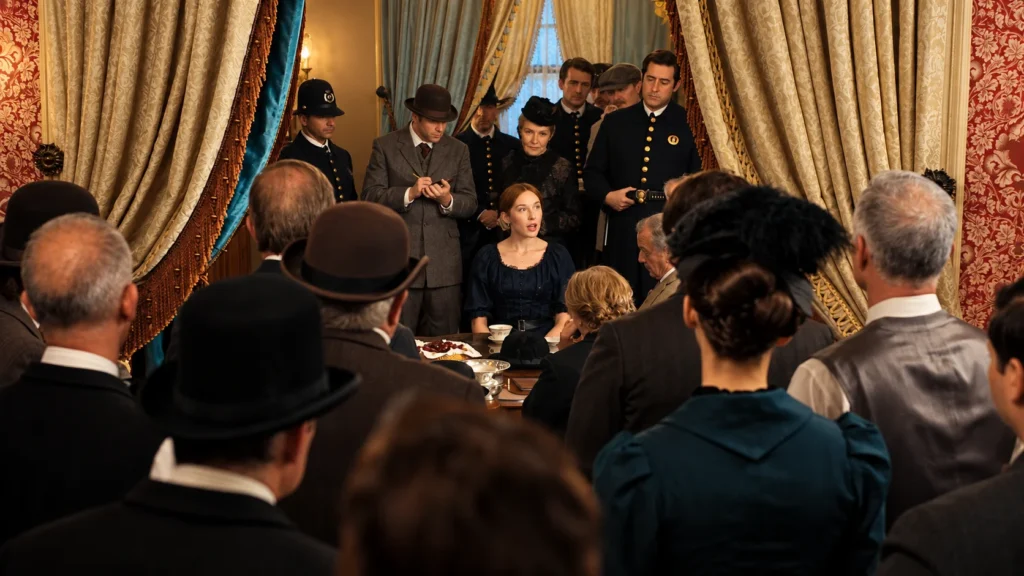
The show highlights the legal loophole that allowed Lizzie to walk free: the lack of forensic technology and the Victorian belief that a “lady” was incapable of such savagery. Even though the series shows Lizzie admitting her guilt to God in a private moment of prayer, the public record remains clear of a conviction.
Symbolism of the Doves and the Flatline
Throughout the season, doves represent Lizzie’s innocence and her desire for flight. When Abby kills the birds, she effectively kills the last bit of Lizzie’s restraint. In the final scene, as Aileen Wuornos dies, the sound of the medical monitor flatlining blends into the background. This sound marks the end of Aileen’s suffering and her transition into the “safe place” Lizzie and Bridget have prepared for her.
Historical Accuracy: The Real Emma Borden and Bertha Manchester
The show also touches on Emma Borden (Billie Lourd), Lizzie’s sister. In the finale, Emma is depicted as a shell of herself, addicted to opium and feeling trapped by the family name. Eventually, Emma leaves Lizzie, expressing a hope that her sister will one day confess. This mirrors history, as the two sisters famously had a falling out in 1905 and never spoke again.
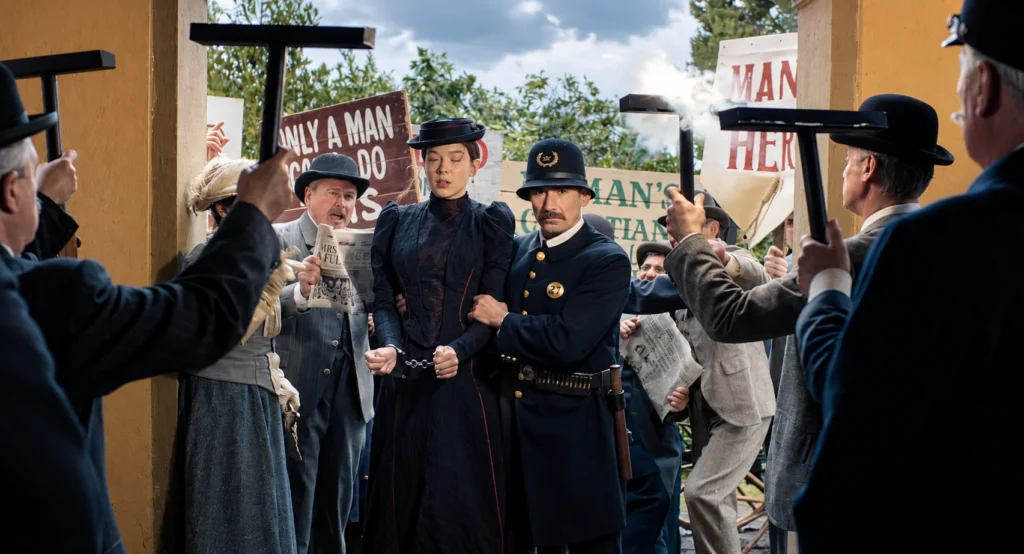
The mention of the Portuguese laborer and the murder of Bertha Manchester is also based on fact. Bertha was indeed killed with an axe in 1893, shortly before Lizzie’s trial. The defense used this coincidence to suggest a serial killer was on the loose, though the laborer was eventually convicted for Bertha’s death.
Also Read : Resmi Nair Web Series List Watch Online
Frequently Asked Questions
Q.Why was Sarah Paulson’s Aileen Wuornos in the Lizzie Borden finale?
Aileen Wuornos appears as a metaphorical link to Lizzie Borden. Both women are portrayed as victims of societal oppression who turned to violence. The scene represents a spiritual connection across time rather than a literal meeting.
Q.Did Lizzie Borden and Bridget Sullivan actually stay together?
In the Netflix show, they reunite and become activists. In reality, Bridget Sullivan moved to Montana and there is no evidence that she ever saw Lizzie again after the trial concluded.
Q.Is the ending of Monster: The Lizzie Borden Story historically accurate?
The acquittal is accurate, but the depiction of Lizzie and Bridget as a murder duo and their later activism is fictional speculation intended to explore the show’s themes of female rage.