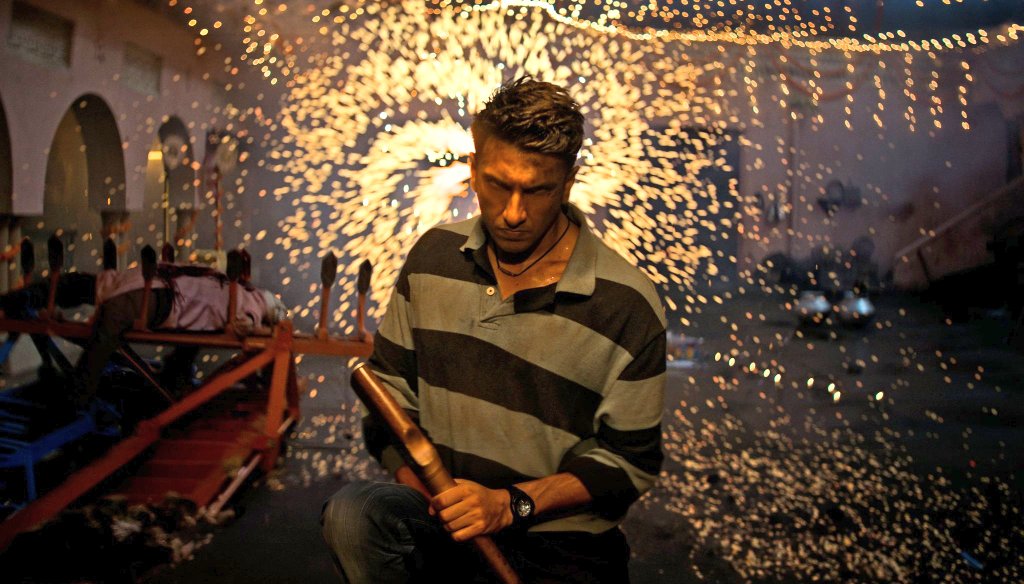
There are films that entertain, films that provoke, and then there are films like Dhurandhar: The Revenge that do something far more dangerous. They insist on being taken seriously even when they flirt with excess, spectacle, and ideology.
Directed by Aditya Dhar, this sequel to the 2025 blockbuster expands its universe with more scale, more ambition, and far more noise – both cinematic and political. It is not merely a continuation; it is an escalation.
And like many escalations, it is both thrilling and exhausting.
A Story That Refuses to Stay Quiet
At its core, Dhurandhar 2 follows Hamza Ali Mazari – a man with dual identities, torn between his covert mission and his fractured past. The film dives deeper into his infiltration of hostile territories and the dismantling of terror networks, while navigating a labyrinth of political intrigue and personal vengeance.
The narrative is sprawling, almost aggressively so. At nearly four hours long, it demands patience – and perhaps submission. This is not a film that gently invites you in; it drags you into its world and dares you to keep up.
The plot is dense with conspiracies, betrayals, and ideological undertones. At times, it feels less like a screenplay and more like a manifesto wrapped in action sequences.
Ranveer Singh: A Performance on the Edge
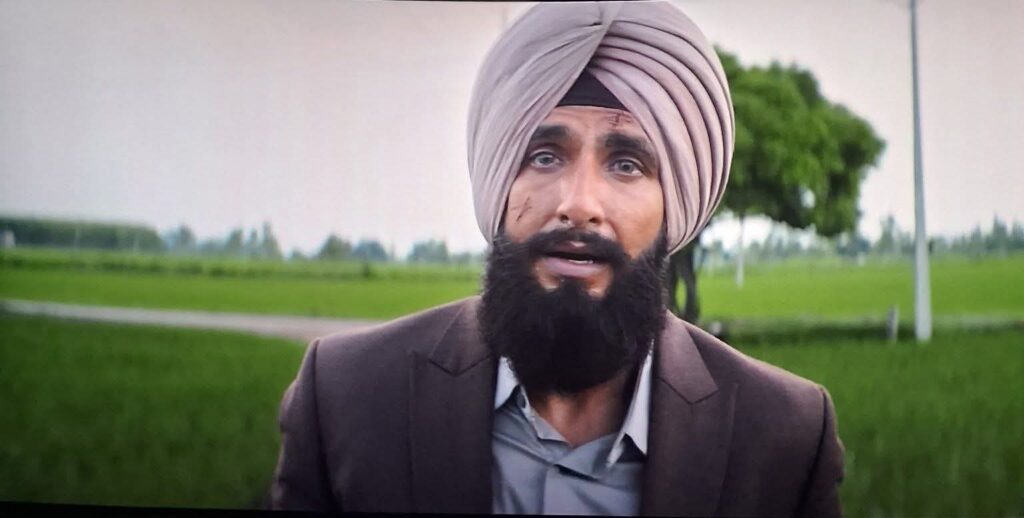
At the center of this storm is Ranveer Singh, delivering a performance that is as relentless as the film itself.
He does not merely act – he attacks the role.
There is a certain wildness to his portrayal, a refusal to be contained within the neat boundaries of realism. His Hamza is not just a spy; he is a symbol, a force, a man constantly teetering on the edge of myth.
And yet, in quieter moments – rare as they are – Singh allows glimpses of vulnerability to surface. These moments are fleeting, but they matter. They remind us that beneath the spectacle lies a human being, however obscured.
Direction: Audacity Over Restraint
Aditya Dhar directs with what can only be described as audacity. There is no hesitation, no second-guessing. Every scene is constructed with the belief that bigger is better – louder, longer, more intense.
Sometimes, this works brilliantly.
The action sequences are meticulously staged, with a sense of scale that rivals international productions. The cinematography captures chaos with precision, turning violence into choreography.
But there are moments when the film collapses under its own weight. Scenes stretch beyond necessity, dialogues become declarations, and subtlety is sacrificed at the altar of impact.
It is cinema that refuses to whisper – it only knows how to shout.
The Controversy That Shadows the Film
It is impossible to discuss Dhurandhar 2 without acknowledging the controversy surrounding it.
The film’s portrayal of real-world events – particularly its depiction of political decisions – has sparked intense debate. Critics have accused it of pushing a specific narrative, while supporters argue that it reflects a bold cinematic vision.
This tension seeps into the viewing experience.
You are not just watching a film; you are navigating a conversation. Every scene carries the weight of interpretation, every dialogue invites scrutiny.
And perhaps that is the point.
Dhurandhar 2 Supporting Cast: A World of Characters
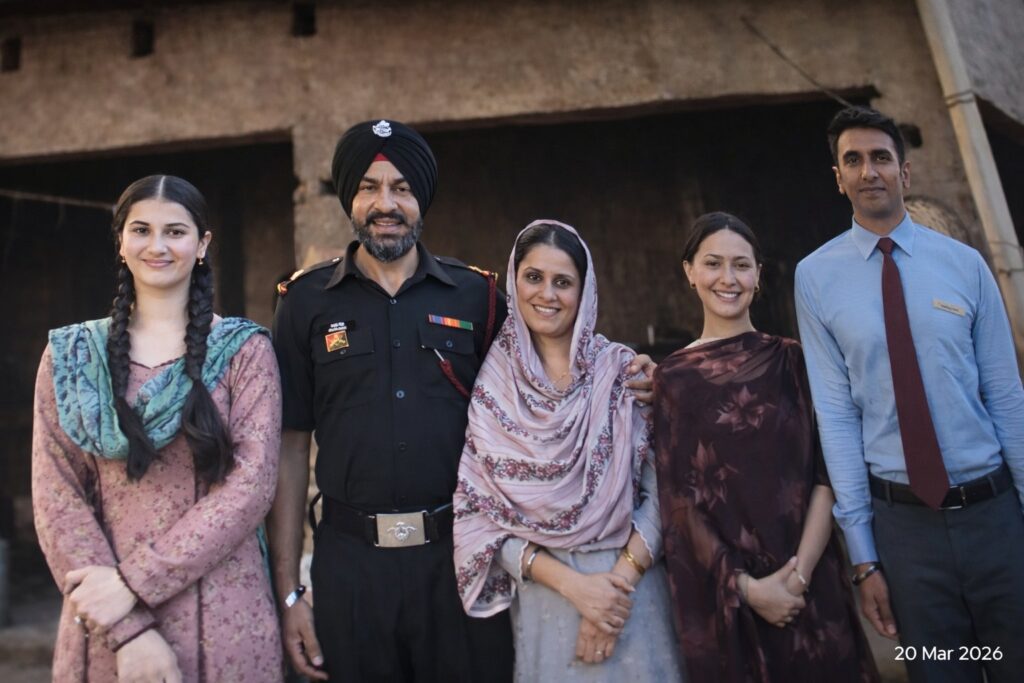
The film boasts an ensemble cast that includes Sanjay Dutt, R. Madhavan, and Arjun Rampal, each contributing to the film’s layered narrative.
These characters do not merely exist – they collide.
Each brings their own moral ambiguity, their own agenda. There are no clear heroes or villains, only individuals navigating a world where lines are constantly blurred.
Yet, the film occasionally struggles to give them the depth they deserve. In its pursuit of scale, it sometimes forgets intimacy.
Music and Atmosphere
The score by Shashwat Sachdev is not background – it is a presence.
It amplifies tension, heightens emotion, and occasionally overwhelms. There are moments when silence might have been more powerful, but the film rarely allows itself that luxury.
The atmosphere is relentless, unyielding.
The Length Problem
At 229 minutes, Dhurandhar 2 is one of the longest mainstream Indian films in recent times. Length, in itself, is not a flaw. But here, it becomes a challenge.
The film demands endurance. It tests the viewer’s patience, asking them to invest in its world without always offering sufficient reward. There are stretches where the narrative stagnates, where repetition replaces progression.
And yet, there are also moments of undeniable brilliance – sequences that justify the ambition, if not the duration.
A Film of Extremes
What makes Dhurandhar 2 fascinating is not its perfection – it is its contradictions.
It is:
- Brilliant and excessive
- Thrilling and exhausting
- Bold and controversial
It does not seek approval. It seeks attention.
And it gets it.
Final Verdict
In the spirit of Roger Ebert, one might say: This is not a film you simply “like” or “dislike.” It is a film you grapple with.
Dhurandhar 2 is cinema at its most unapologetic – flawed, ambitious, and impossible to ignore. It may not convince everyone, but it refuses to be dismissed. And in today’s cinematic landscape, that might be its greatest achievement.