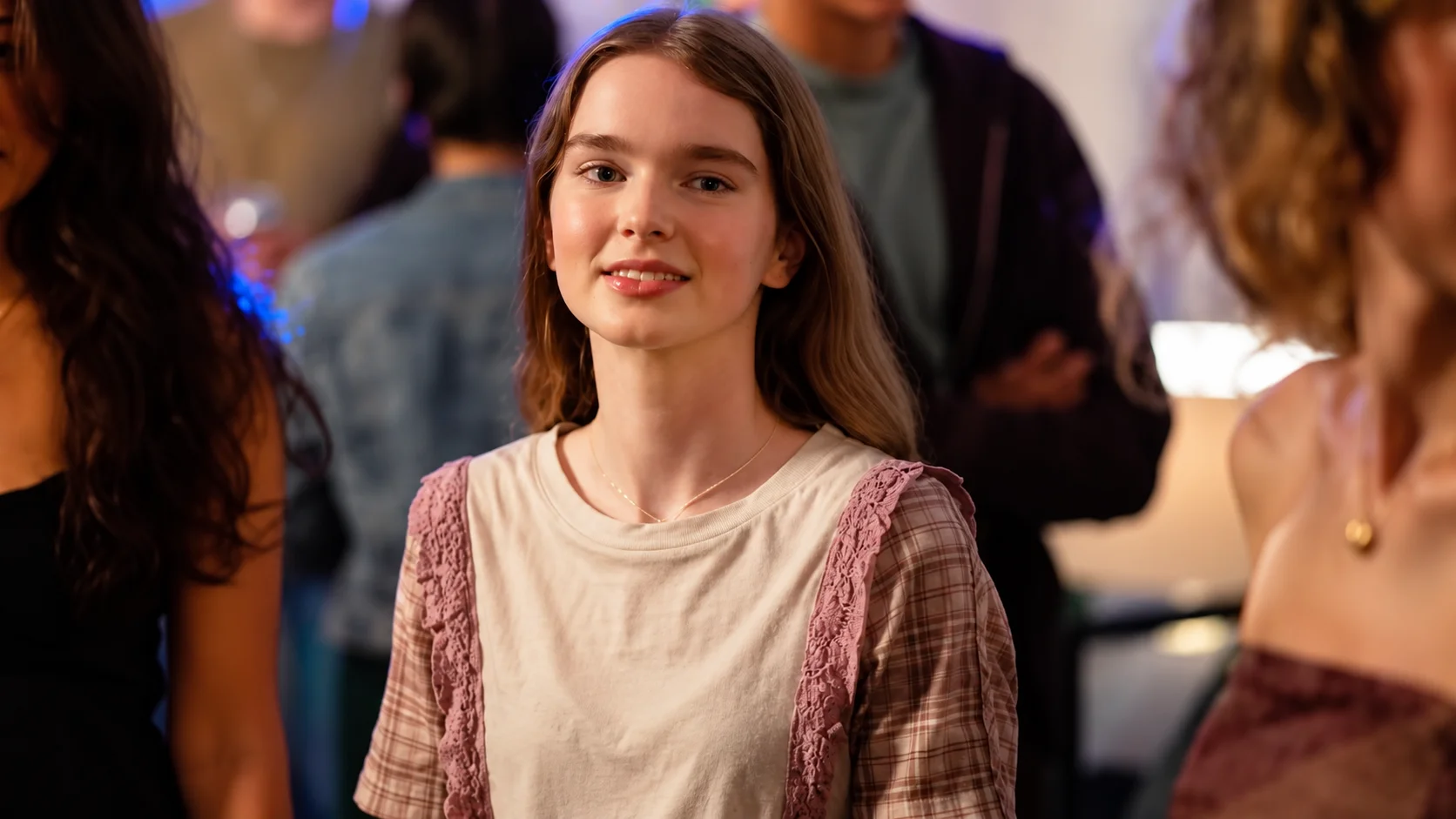
For nearly fifty years, Brian De Palma’s 1976 film stood as the definitive vision of Stephen King’s debut novel. Sissy Spacek’s wide eyed terror and the visceral, slow motion prom massacre became iconic pillars of horror history. However, on October 7, 2026, Prime Video released Mike Flanagan’s eight episode reimagining, proving that there is still blood to be squeezed from this classic stone.
This is not a shot for shot remake. Flanagan has utilized the expanded runtime of a series to weave in modern anxieties, Kingverse lore, and a radical restructuring of the White family tree. Here are the primary ways Carrie 2026 differs from the 1976 masterpiece.
The Resurrection of Ralph White
In the 1976 film, Carrie’s father is a ghost of the past, mentioned but never seen. The original story establishes that Ralph White died in a construction accident before Carrie was even born. This left Carrie entirely at the mercy of Margaret’s religious mania.
The 2026 series changes this timeline completely. Ralph White, played by Tahmoh Penikett, is very much alive during Carrie’s formative years. He is portrayed as a military veteran and a paranoid doomsday prepper. Instead of just religious fervor, the 2026 household is governed by a fear of the government and society. Carrie is kept off the grid with no Social Security number and no contact with the outside world until Ralph’s eventual death in a construction accident when Carrie is sixteen. This change explains why Carrie enters public school so late and so profoundly unprepared for social interaction.
Modern Bullying: From Gym Showers to Instagram
While the 1976 film focused on physical and verbal harassment, the 2026 version recognizes that modern cruelty is digital. The infamous shower scene still occurs, but its aftermath is amplified by technology.
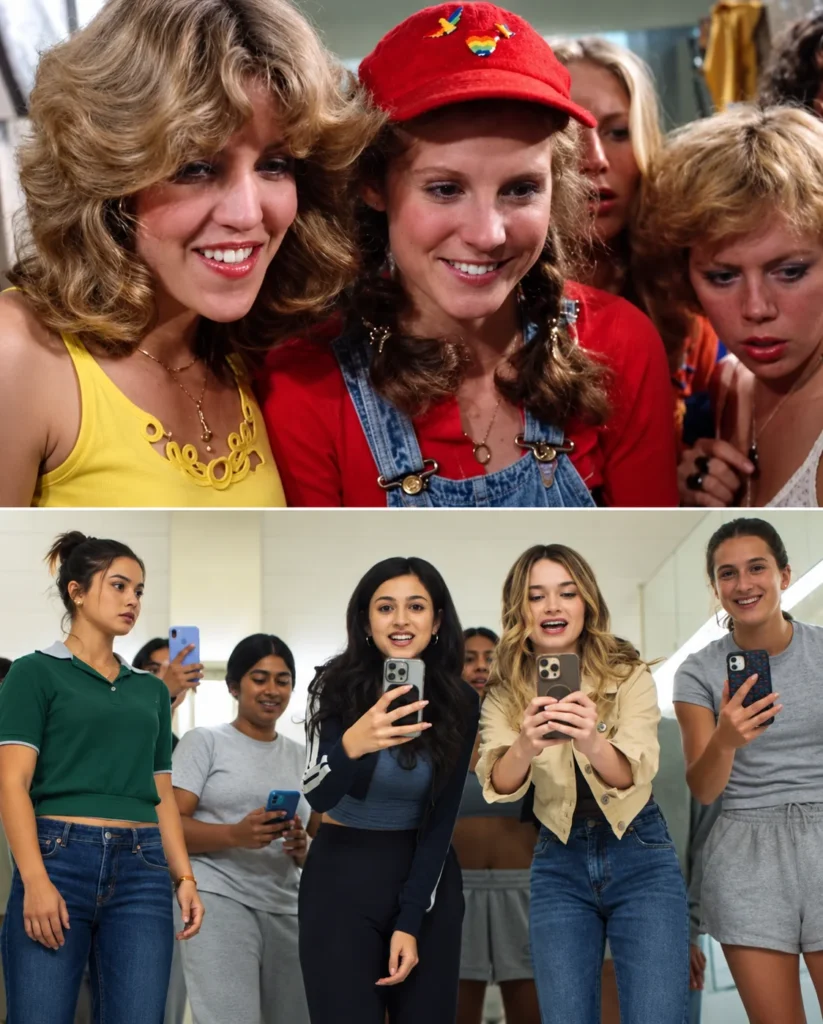
In the new series, Chris Hargensen (Alison Thornton) creates a dedicated Instagram account titled Carrie Red. This account becomes a hub for cyberbullying, where students upload edited videos and memes mocking Carrie. This digital footprint makes the isolation feel more permanent and inescapable than the localized teasing seen in the 1976 movie. The bullying isn’t just happening in the hallways: it is happening in Carrie’s pocket every time she looks at a screen.
A More Nuanced Margaret White
Piper Laurie’s 1976 performance was defined by theatrical, terrifying zealotry. Her Margaret was a woman who seemed to loathe her daughter as a symbol of sin. Samantha Sloyan’s 2026 portrayal offers a different flavor of terror.
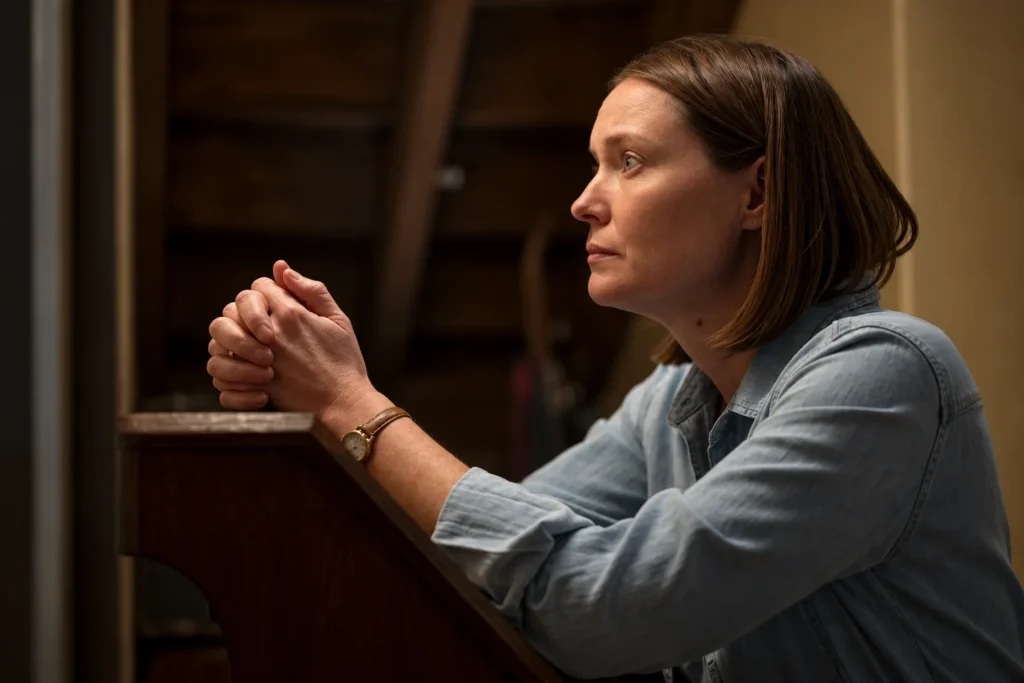
Flanagan’s Margaret is still controlling and deeply religious, but her actions stem from a warped sense of protection rather than pure hatred. Because Ralph was a conspiracy theorist, Margaret views the outside world as a literal hunting ground for her daughter. She works at a big box store rather than a laundromat, and while she is still abusive, the series highlights her own victimization and fear. This makes her a more grounded, though still detestable, antagonist.
The Active Shooter Drill Sequence
One of the most harrowing additions to the 2026 series is the inclusion of an active shooter drill. In the 1976 film, the school environment felt like a typical mid century campus. The 2026 version leans into the specific trauma of modern American schooling.
Carrie, having never been to school, does not understand the drill. Her genuine terror during the exercise triggers her telekinetic abilities in a way that gym class never could. It serves as a grim parallel to her internal explosion, linking the violence of her powers to the inherent violence found in modern society.
Expanded Lore: The Secret Society of Telekinetics
De Palma’s film treated Carrie’s powers as a singular, freak occurrence. The 2026 series suggests that Carrie is part of a much larger, darker tapestry. Flanagan introduces a subplot involving a secret society of telekinetic women.
Throughout the eight episodes, the show implies that Carrie’s abilities are not just a random mutation but a lineage. This adds a layer of cosmic horror and world building that the 1976 film lacked. It connects Carrie to the broader Stephen King universe, suggesting that there are others like her scattered across the globe.
The Climax and the Pig Blood Ritual
The 1976 prom scene is famous for its split screen cinematography and the bucket of blood that ruins Carrie’s night. The 2026 version keeps the pig’s blood, but the context of the betrayal is deeper.
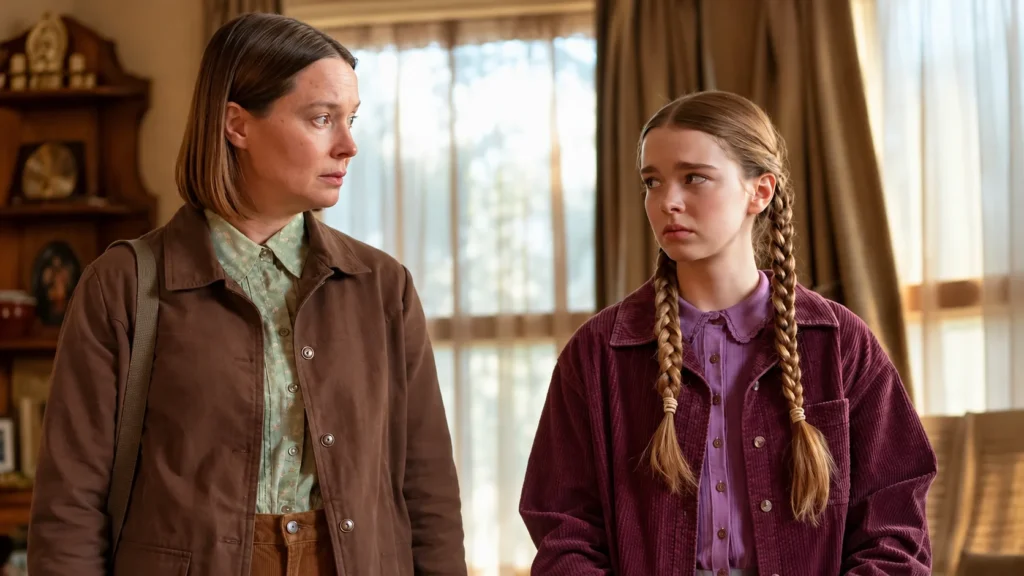
Chris Hargensen actually pretends to be Carrie’s friend in the days leading up to the prom, making the final prank a personal betrayal rather than just a mean spirited stunt. Furthermore, the 2026 prom massacre is more clinical and devastating. Instead of De Palma’s stylized dreamscape, Flanagan uses long, unbroken takes to show the reality of the destruction Carrie wreaks on her peers.
Also Read : Amber Midthunder in Carrie: Everything to Know About Miss Desjardin
Survival vs. Tragedy
The most significant departure is the ending. In the 1976 film, Carrie dies after her house collapses, leaving Sue Snell traumatized. It is a definitive, tragic conclusion.
In the October 7, 2026 finale, Carrie White survives. Mike Flanagan grants her a level of agency not seen in previous versions. Instead of being a victim of her own power, she learns to harness it to escape her town. The series ends with Carrie becoming bulletproof and setting out to find others like her, leaving the door wide open for a second season.
Comparison Table: 1976 vs. 2026
| Feature | 1976 Movie | 2026 Series |
|---|---|---|
| Carrie’s Father | Dead before the story starts | Alive until Carrie is a teenager |
| Margaret White | Zealot who hates Carrie’s “sin” | Protectively abusive prepper |
| Bullying Style | Physical and verbal in person | Digital warfare via “Carrie Red” Instagram |
| School Setting | Traditional 70s High School | Modern school with active shooter drills |
| Carrie’s Powers | A mysterious, singular anomaly | Part of a global telekinetic mythos |
| The Ending | Carrie dies in her home | Carrie survives and leaves town |
Frequently Asked Questions
Q.Does Carrie die at the end of the 2026 series?
No. Unlike the 1976 film where she dies in the collapse of her home, the 2026 series ends with Carrie surviving and gaining agency over her powers.
Q.Who plays Carrie White in the 2026 version?
Summer H. Howell plays Carrie White, delivering a performance that balances the character’s innate curiosity with her eventual destructive power.
Q.How does social media play a role in the new Carrie?
The 2026 version features an Instagram account called ‘Carrie Red’ created by Chris Hargensen to mock and record Carrie, modernizing the bullying theme.
Q.Is Carrie’s father alive in the 2026 series?
Yes, Ralph White (played by Tahmoh Penikett) is alive for most of Carrie’s childhood as a doomsday prepper, dying only when she is sixteen.