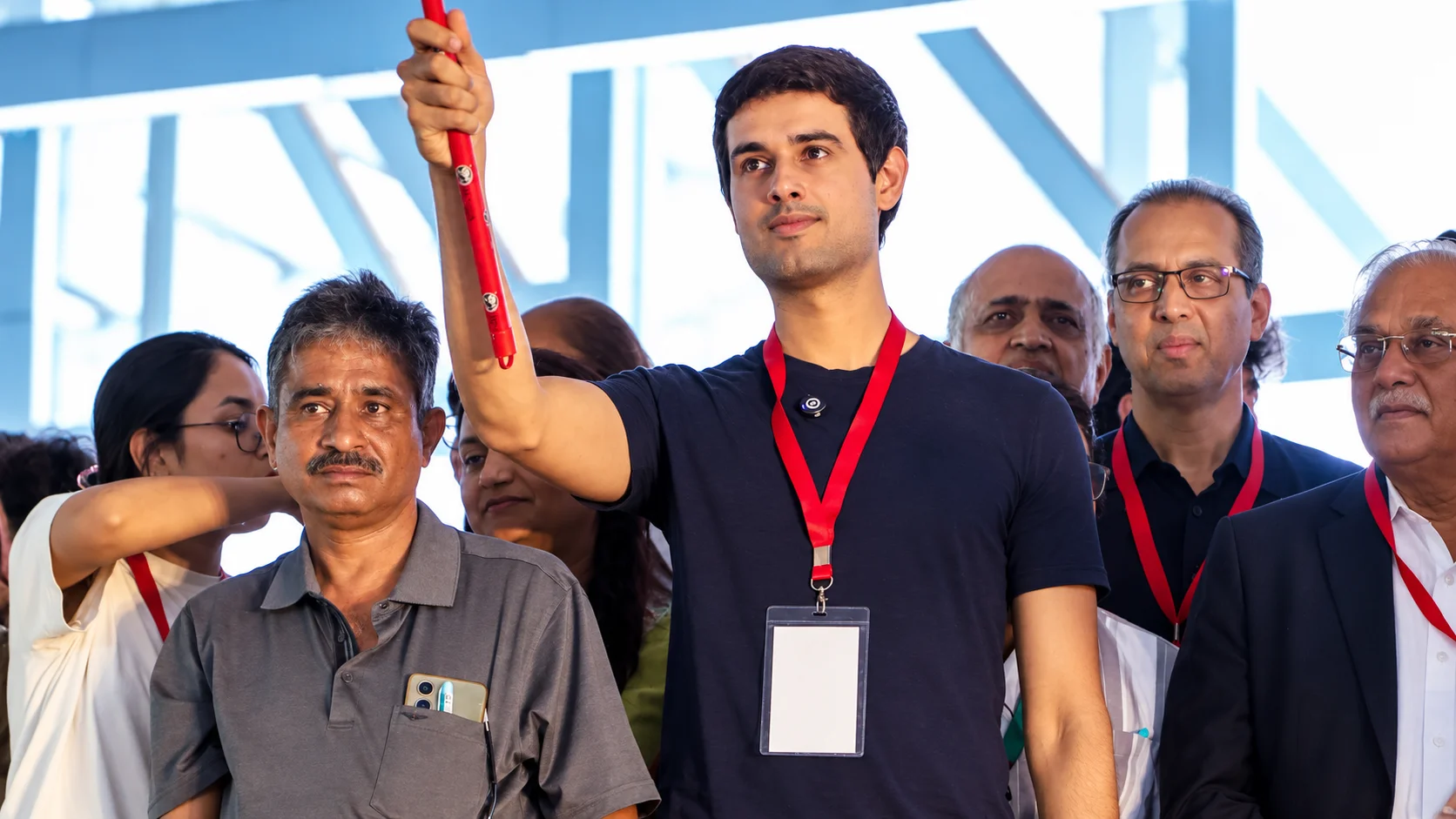
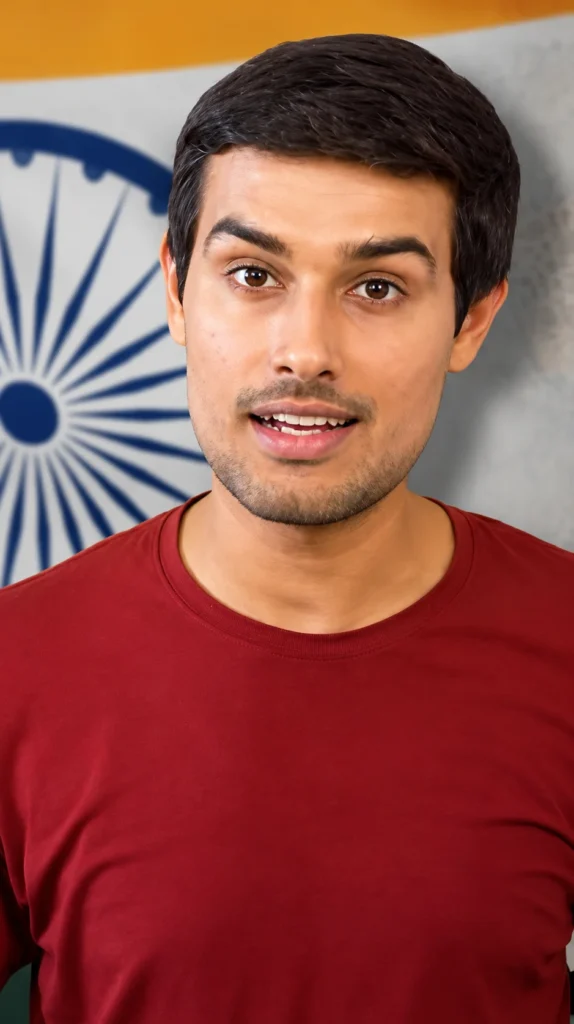
High profile YouTuber and social media commentator Dhruv Rathee was taken into custody by a joint team of Delhi and Gurugram police on Saturday morning, October 10, 2026. The incident occurred at his parents residence in Gurugram, sparking a wave of digital dissent and national headlines. Rathee, who recently traveled from Germany to India, had been vocal about joining a massive demonstration planned at Jantar Mantar.
The detention is part of a broader security sweep across the National Capital Region (NCR). As authorities attempt to prevent a large scale gathering, the situation remains fluid with thousands of security personnel deployed on the streets.
The Saturday Morning Pickup: Sector 56 Operation
At approximately 7:48 a.m. on October 10, 2026, police personnel entered a residential flat in the Central Park Vihar society, also known as Kendriya Vihar, located in Sector 56, Gurugram. Rathee was staying there with his parents. According to eyewitness reports and intelligence sources, nearly 50 police officers had already begun gathering outside the premises late on Friday night, October 9.
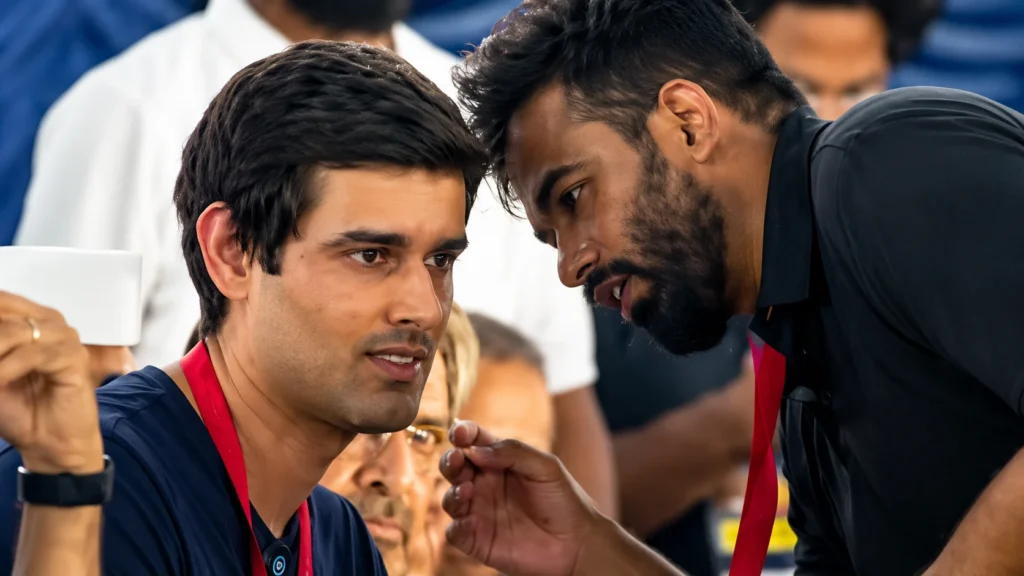
Officials stated that they initially urged Rathee not to travel to Delhi, citing the lack of official permission for the protest. When these requests were reportedly turned down, the teams moved to take him to an undisclosed location in Gurugram. The CJP legal team, led by Ratna Singh, has since alleged that the detention was carried out without a formal notification or clear legal grounds, often citing orders from above as the primary justification.
Why is Delhi Under Lockdown?
The detention of Dhruv Rathee is not an isolated event. It is the result of a massive security operation designed to foil the Jantar Mantar 2.0 protest. The Delhi Police have turned the city into a virtual fortress to prevent protesters from assembling.
Security Deployment Statistics
| Personnel Type | Estimated Number | Origin/Location |
|---|---|---|
| Delhi Police & CAPFs | 40,000+ | Local Deployment |
| CRPF Personnel | 7,000 | Chhattisgarh & West Bengal |
| Potential Protesters Identified | 500 | Targeted Surveillance |
| Social Media Channels Monitored | 200+ | Digital Intelligence |
Authorities have installed spike strips, heavy barricades, and body cameras on officers to maintain control over the central protest zones. The police have also cited a breach of past undertakings and a failure to provide the mandatory 10 day notice as reasons for denying protest permission.
The Cockroach Janta Party (CJP) Demands
The driving force behind the demonstration is the Cockroach Janta Party, led by founder Abhijeet Dipke. The movement centers on allegations of irregularities in the Special Intensive Revision (SIR) of electoral rolls. The CJP and its supporters are demanding the immediate resignation of Chief Election Commissioner (CEC) Gyanesh Kumar.
Dipke, who was reportedly seen at the Delhi airport before his own encounter with authorities, has framed the movement as a Gen Z led effort to fix a broken system. The CJP claims that the crackdown, including the detention of influencers like Rathee and activists like Ratna Singh, is an attempt to silence democratic dissent.
Also Read : Camilla Araujo Biography 2026: Age, Net Worth, and Career Shift
Transport and Digital Disruptions in the Capital
Commuters in Delhi are facing significant hurdles today. The Ministry of Railways has cancelled over 200 trains traveling to and from Delhi stations. Additionally, the Delhi Metro Rail Corporation (DMRC) has shut down 45 metro stations, specifically targeting those near central government buildings and the protest site.
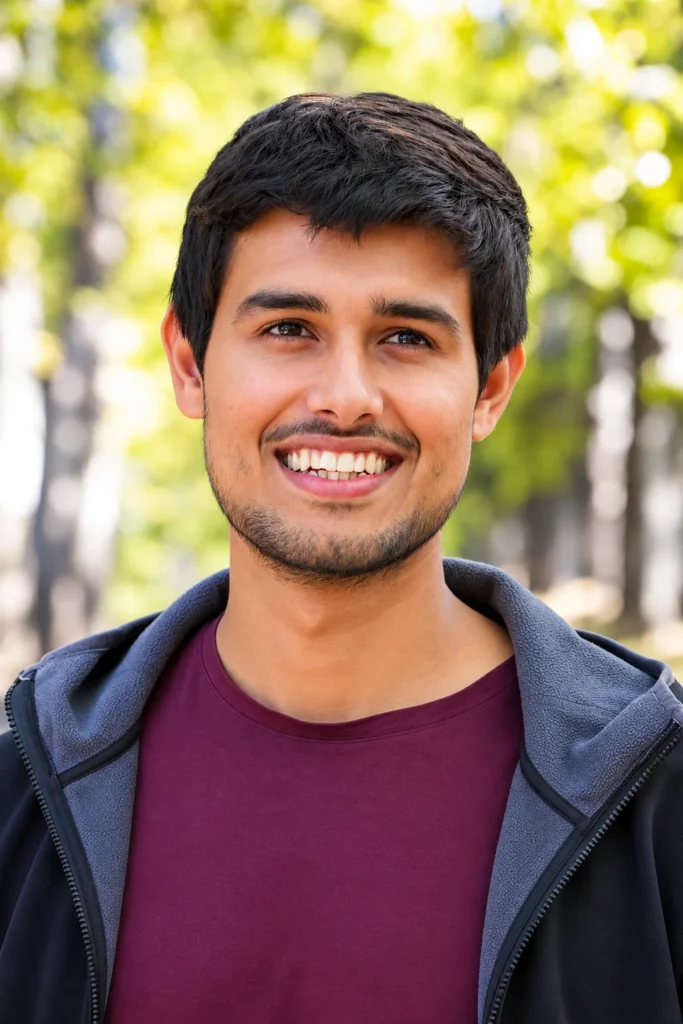
Rathee himself highlighted these issues in an Instagram video filmed at Kartavya Path on October 9, 2026. In that video, he questioned why the government was imposing such extreme measures, including the potential suspension of mobile internet services in parts of Central Delhi, just to stop a peaceful gathering.
Legal Context: Preventive Detention Explained
The police are utilizing preventive detention statutes to hold individuals before any protest can occur. Under these laws, authorities can take a person into custody if they believe the individual is likely to commit a crime or disturb public order.
Legal experts and the CJP legal team have criticized the lack of official paperwork during these morning raids. Ratna Singh, head of the CJP legal team, reported that more than 25 officers surrounded her vehicle in a similar fashion to Rathee’s detention, refusing to provide a written order. The use of Section 144, which prohibits the assembly of four or more people, is also in full effect across sensitive zones in New Delhi.
Public and Political Reactions
The news of Rathee’s detention spread rapidly across social media platforms like X (formerly Twitter) and WhatsApp. The CJP issued a statement condemning the high handed tactics of the Delhi Police and demanding the unconditional release of all detained students and activists.

Supporters of the movement have labeled the current state of the capital as a soft emergency. Conversely, police officials maintain that these measures are necessary to prevent traffic chaos and ensure the safety of the general public, especially given the heightened security profile of CEC Gyanesh Kumar, who has been granted Z+ security.
As the day progresses, the focus remains on whether the protesters will manage to reach Jantar Mantar despite the blockades, or if the preventive detentions have successfully halted the planned demonstration. We will continue to update this article as more information regarding Rathee’s location and legal status becomes available.
Frequently Asked Questions
Q.Where was Dhruv Rathee detained?
He was detained at his parents residence in Central Park Vihar, Sector 56, Gurugram, at approximately 7:48 a.m. on October 10, 2026.
Q.Why is there a protest at Jantar Mantar today?
The Cockroach Janta Party (CJP) is protesting alleged irregularities in the electoral roll revision and demanding the resignation of CEC Gyanesh Kumar.
Q.How many Delhi Metro stations are closed?
Authorities have shut down 45 metro stations across Delhi to prevent protesters from reaching the city center.
Q.Who is the leader of the CJP?
The movement is led by Abhijeet Dipke, who has called for a systemic fix of the electoral process.