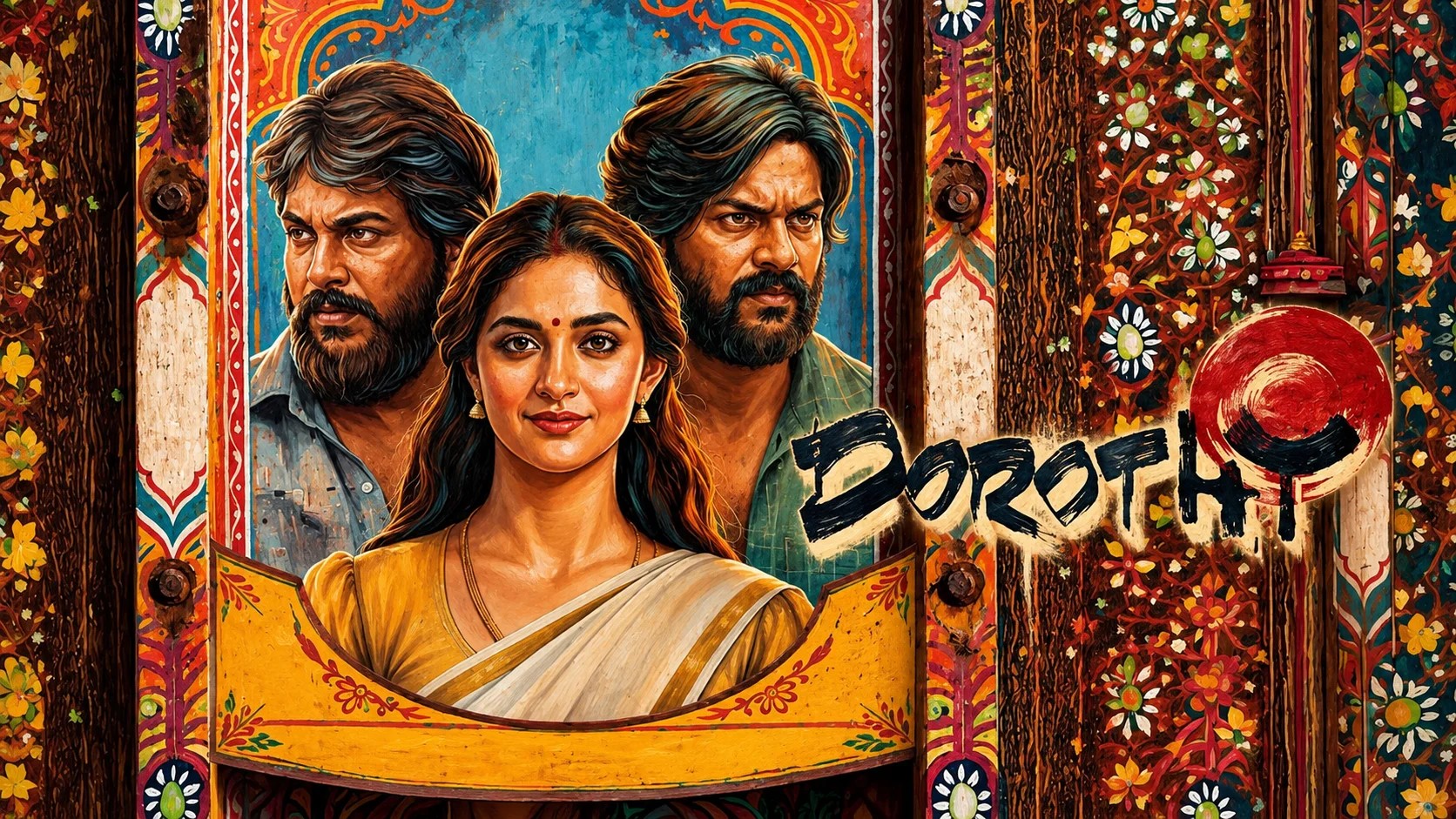
Released on 25 September 2026, Dorothy marks the 10th feature film for director Karthik Subbaraj. Known for his stylish gangster epics and quirky thrillers, Subbaraj takes a sharp turn into the raw, dusty lanes of 1990s rural Tamil Nadu. This film is far from a standard commercial entertainer. It is a dense, emotionally charged exploration of identity that has already sparked intense debate following its TIFF 2026 premiere.
A Daring Milestone for Karthik Subbaraj
Karthik Subbaraj has described this project as his most personal work to date. Drawing inspiration from real life incidents in the 90s, the director attempts to deconstruct the hyper-masculine tropes he often celebrated in films like Petta. The film focuses on two childhood friends, Karthi and Subbu, whose lives are anchored in a world of violence, softcore films, and rigid patriarchal codes.
The Plot: A 1990s Tale of Masculinity and Secrets
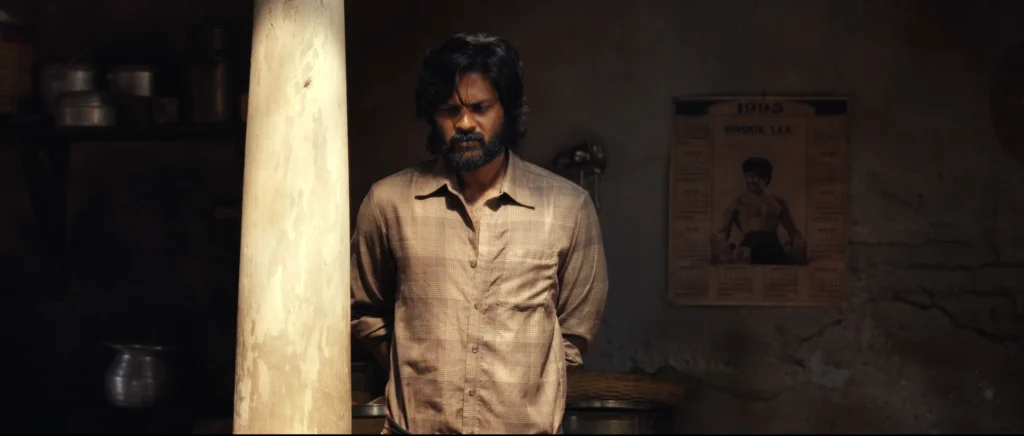
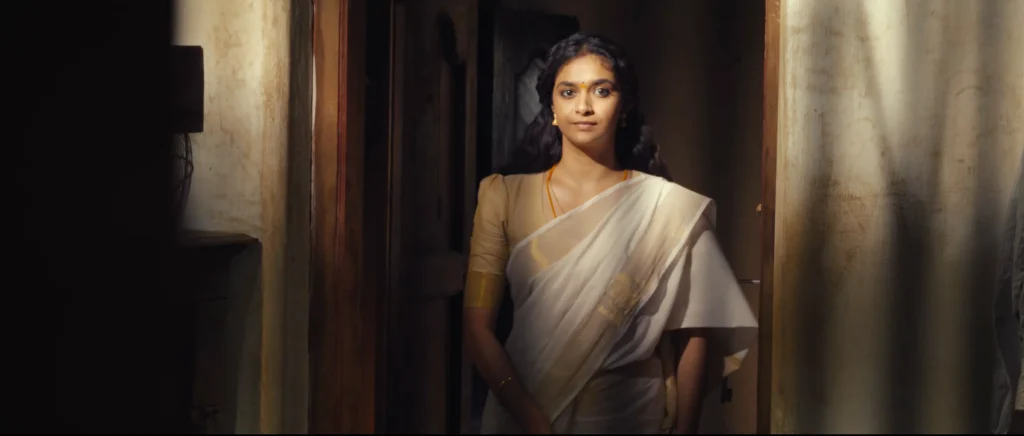
Set in a village where caste and gender norms are suffocating, the story follows Karthi (Rishikanth) and Subbu (Sananth). The duo spends their days navigating a womanless household, seeking a sense of belonging in their mutual bond. Their lives change forever when Dorothy (Keerthy Suresh), a woman from Kerala, enters the family as Subbu’s sister in law. Her presence serves as a catalyst, revealing layers of repressed identity that the two men have spent years hiding under the guise of machismo.
Also Read : Where to Watch Julianne Richards Movies & Series Online
Performance Analysis: Sananth and Rishikanth
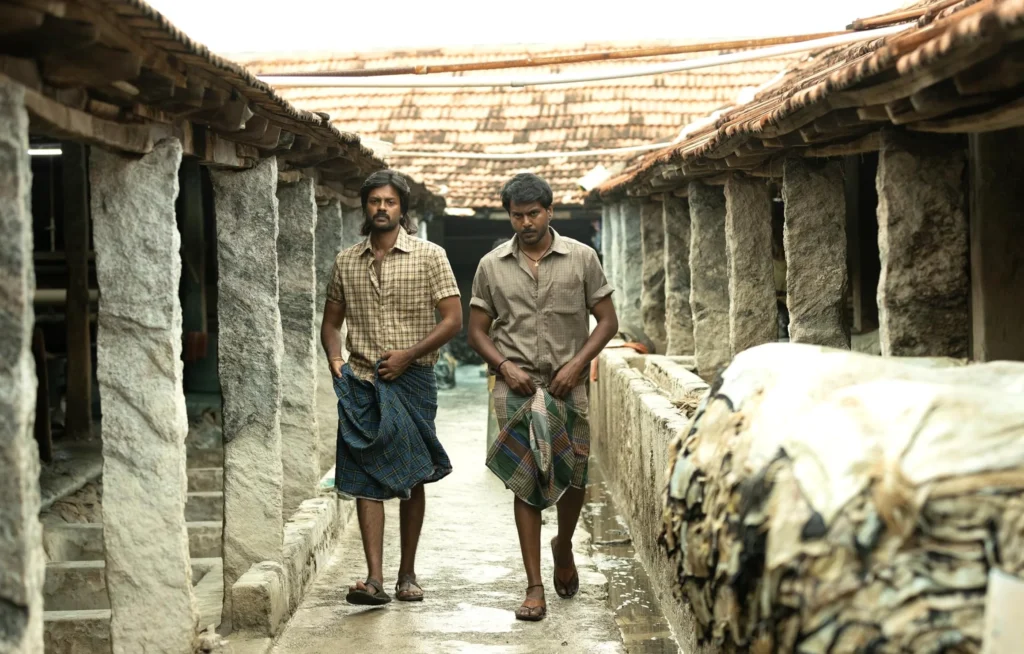
The film relies heavily on the chemistry between the two leads. Sananth, playing Subbu, delivers a grounded performance as a man who looks up to Bruce Lee but harbors a deep yearning for maternal affection. Rishikanth, known for his work in Modha Rathri, is the standout here. His portrayal of Karthi’s internal corrosion as he struggles with toxic expectations is haunting.
| Feature | Subbu (Sananth) | Karthi (Rishikanth) |
|---|---|---|
| Core Conflict | Yearning for motherly love | Repression of vulnerability |
| Inspiration | Bruce Lee / Physical strength | Patriarchal protection |
| Character Arc | Challenges masculine norms | Succumbs to internal toxicity |
The Dorothy Factor: Keerthy Suresh’s Impact
While Keerthy Suresh plays the titular role, her actual screen time is relatively short. However, her presence is the heartbeat of the narrative. She brings a sense of grace and intellect that contrasts sharply with the aggressive environment of the village. Critics have noted that her role, while brief, is impactful enough to drive the entire second half of the film. She represents the “fierce nature of femininity” that eventually breaks through the walls of oppression.
Technical Mastery: Ilaiyaraaja and Thiru
A major highlight of Dorothy is the musical score. This film marks Ilaiyaraaja’s 1,540th project, and the maestro proves he is still at the top of his game. The background score during the interval block is particularly noteworthy, adding a layer of gravitas to the raw visuals.
Cinematographer Thiru uses long, tracking shots to immerse the viewer in the 90s setting. One specific single shot sequence involving a discovery in Subbu’s house has been hailed as a technical masterpiece. The visual language emphasizes the grit of the rural landscape, using earthy tones to reflect the stagnant nature of the village’s social structures.
Also Read : Rhian Rivera Movies & Web Series List: Watch Online 2026 Guide
The Tonal Shift: Does the Second Half Work?
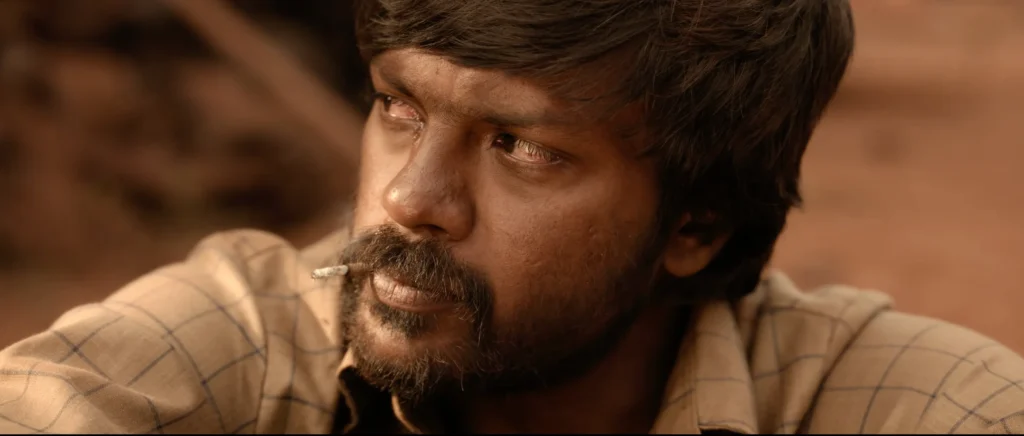
The first half of the film plays out as a steady, slow paced rural drama. It builds the bond between the two friends with realistic precision. However, the second half undergoes a complete tonal shift. This is where the film enters the “Bold Zone,” exploring queer themes and gender identity in a way that mainstream Tamil cinema rarely dares.
Some viewers might find this transition jarring. The second half is significantly more intense and violent, focusing on the “ant and sand ball” metaphor introduced during the interval. While the shift is radical, it is a necessary evolution of the story’s core themes.
Themes of Caste and Gender Politics
Subbaraj does not shy away from the intersectionality of caste and gender. The film highlights how casteism and patriarchy work hand in hand to maintain the status quo. From the way police treat different community members to the subtle dialogue regarding lineage, the script is a biting critique of social stratification. However, some critics have pointed out that the film occasionally leans into “trans tragedy” tropes, which might feel heavy handed to some audiences.
Frequently Asked Questions
Q.Is Dorothy a queer movie?
Yes, Dorothy is a groundbreaking mainstream Tamil film that explores queer identity and the repression of femininity in a traditional rural setting.
Q.Who plays the lead roles in Dorothy?
The film stars Sananth and Rishikanth as the primary leads, with Keerthy Suresh playing the pivotal titular character.
Q.What is the significance of the number 1,540 in this film?
This movie marks the 1,540th project for legendary music composer Ilaiyaraaja.
Q.Is Dorothy based on a true story?
Director Karthik Subbaraj has stated that the script is based on several real life incidents that occurred during the 1990s in rural Tamil Nadu.
Q.What does the ‘tonal shift’ in the second half mean?
The film starts as a slow rural friendship drama but transitions into a radical and intense exploration of gender politics and social identity after the interval.