
The Netflix limited series adaptation of East of Eden, released on 1 October 2026, has left viewers grappling with deep philosophical questions. Zoe Kazan’s seven part reimagining of John Steinbeck’s 1952 novel explores the heavy burden of inheritance and the possibility of redemption. By the time the credits roll on the final episode, titled Timshel, the Trask family has been shattered by secrets, but a small window of hope remains.
The Climax of the Trask Legacy
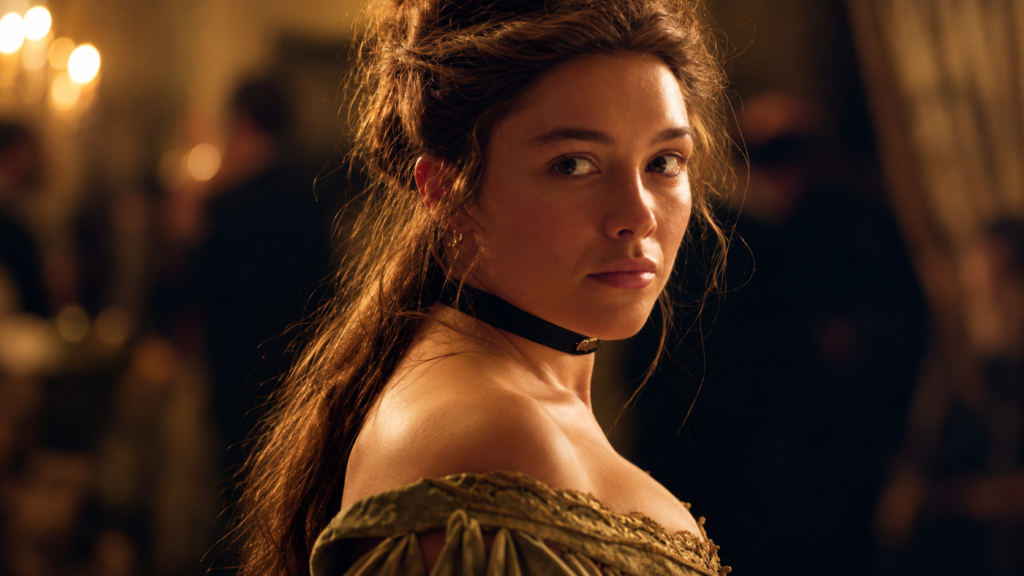
The series concludes by bringing the generational parallels between the brothers to a violent head. Just as Adam and Charles Trask struggled with the favoritism of their father Cyrus, the twins Cal and Aron find themselves trapped in the same cycle. Cal, played by Joseph Zada, spends the finale drowning in the belief that he is inherently evil. This self loathing is triggered by his discovery of his mother, Cathy Ames, who is alive and running a brothel under the name Kate Albey.
In a moment of pure spite and sibling rivalry, Cal takes his brother Aron to see Cathy. He wants to destroy the idealized image Aron has of their mother. The plan works too well. Aron, unable to reconcile his moral purity with the reality of his mother’s life, undergoes a mental breakdown that changes the course of the family forever.
Also Read: Romanchakam Netflix Story Explained: The Dating App Plot & Mystery
The Tragic Fate of Aron Trask
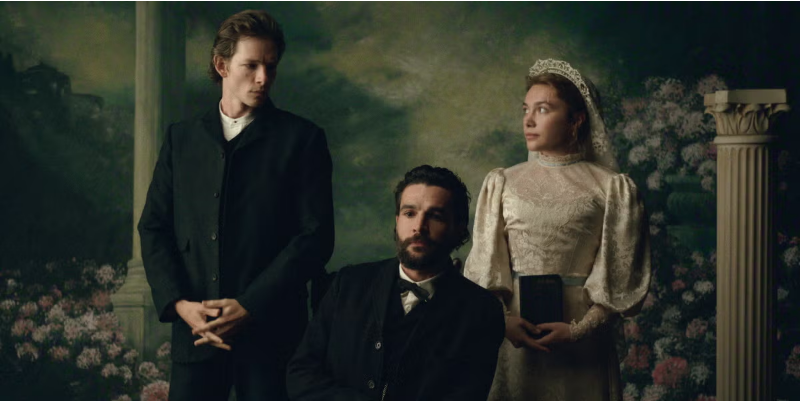
Unlike the 1955 film, the 2026 series follows the book’s darker path regarding Aron. Shattered by the truth about Cathy, Aron abandons his studies and his girlfriend Abra. In an act of self destruction disguised as duty, he enlists in the army as World War I begins.
News eventually reaches the Salinas Valley that Aron has been killed in battle. This news is the final blow for Adam Trask. Already weakened by a previous stroke, the grief of losing his golden son causes a second, massive stroke that leaves him paralyzed and nearing death. The tragedy is double edged: Cal is left to carry the guilt of knowing his jealousy indirectly led to his brother’s death.
Cathy Ames and the Spectre of Charles
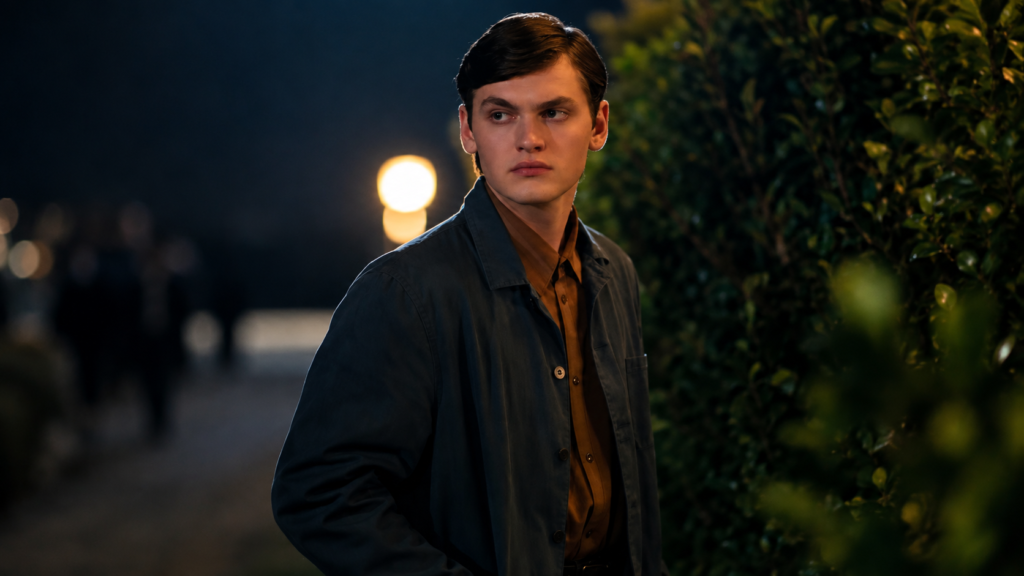
Florence Pugh’s portrayal of Cathy Ames reaches a haunting conclusion in the finale. As the madam of a brothel, she has spent years amassing wealth and blackmail material. However, her paranoia reaches a breaking point. She begins to see the ghost of Charles Trask, her former lover and Adam’s brother.
In this adaptation, the series emphasizes Cathy’s history of trauma, suggesting her villainy was a shield against a world she viewed as predatory. Her death is a result of a calculated overdose. She chooses to end her life on her own terms, surrounded by the physical and mental ghosts of the men she manipulated and the children she abandoned. Her passing marks the end of a long, calculated escape from a past she could never truly outrun.
The Mystery of Paternity: Cal vs. Aron
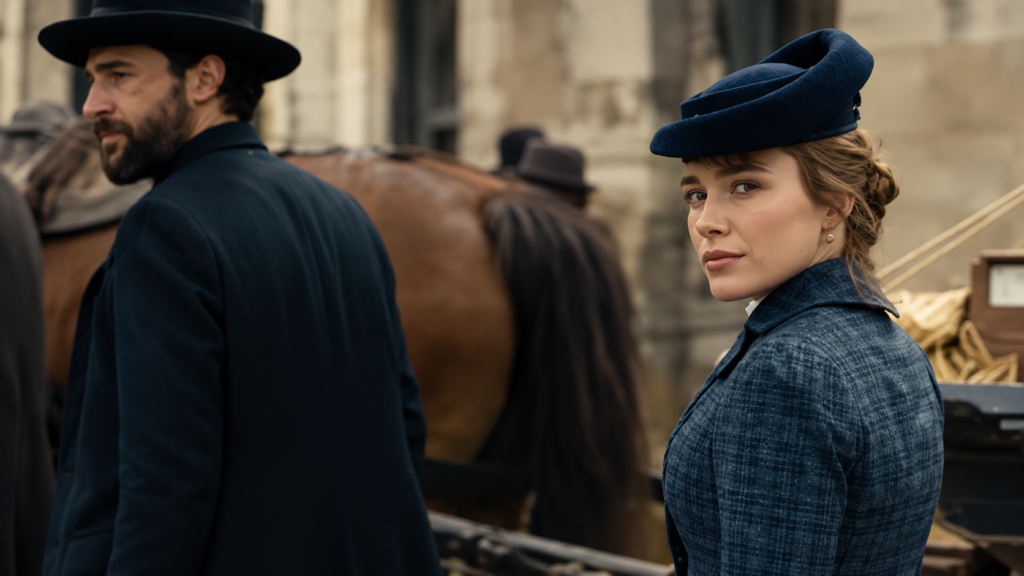
One of the most persistent questions throughout the series is the biological paternity of the twins. Because Cathy slept with Charles shortly after her wedding to Adam, the show maintains a deliberate ambiguity.
| Character | Traits Mirrored | Likely Paternity Symbolism |
|---|---|---|
| Aron Trask | Moralistic, rigid, fragile | Reflects Adam’s idealism |
| Cal Trask | Volatile, resourceful, darker | Reflects Charles’s intensity |
While the 2026 series hints that Cal may be Charles’s son through his physical temperament and Cathy’s own reflections, the narrative ultimate argues that it does not matter. The theme of the show is that biology is not destiny. Whether Cal carries the blood of Adam or Charles, he is responsible for his own soul.
Adam’s Final Word: Timshel Explained
The most pivotal moment occurs at Adam’s deathbed. Cal is paralyzed by the fear that his father will die hating him. Lee, the family’s loyal servant, intervenes. He begs Adam to forgive Cal so that the boy is not haunted for the rest of his life.
Adam, unable to speak in full sentences, whispers a single word: Timshel.
This Hebrew word, central to Steinbeck’s philosophy, translates to thou mayest. It is a reference to the story of Cain and Abel in Genesis. The significance lies in the choice. It is not a command (thou shalt) and not a promise (thou wilt). It is an invitation. By saying this, Adam tells Cal that he has the power to choose his own path. He is not destined to be evil like his mother or angry like Charles. He has the freedom to be a good man.
Also Read: Dexter: Resurrection Season 2 Release Date, Cast, and NYC Plot
Comparing the Netflix Series to the Novel
Zoe Kazan’s 2026 adaptation remains largely faithful to the source material while expanding on the interior lives of the women. While the book is often seen as a sprawling epic about the American West, the Netflix series feels more like a psychological study of inherited trauma. The inclusion of Cathy’s back story regarding her childhood abuse provides a layer of context not as explicitly explored in previous versions.
Ultimately, the ending serves as a rejection of predestination. Cal and Abra are left to face a future that is not yet written. The curse of the Trask family, defined by brothers fighting brothers, is finally broken not by perfection, but by the simple, powerful act of choosing to be better.
Frequently Asked Questions
1.What was Adam’s last word to Cal?
Adam’s last word was Timshel, which means thou mayest. It signifies that Cal has the free will to choose his own moral path.
2.Does Cal end up with Abra?
The series ends with the suggestion that Cal and Abra will attempt to build a life together, free from the shadow of Aron and the expectations of their parents.
3.Did Cathy kill herself?
Yes, Cathy dies from a self induced overdose, unable to cope with her declining health, paranoia, and the haunting memories of Charles Trask.
4.Is Cal actually Charles’s son?
The series leaves this ambiguous. While Cal shares many of Charles’s personality traits, the story focuses on the idea that paternity does not dictate a person’s character.