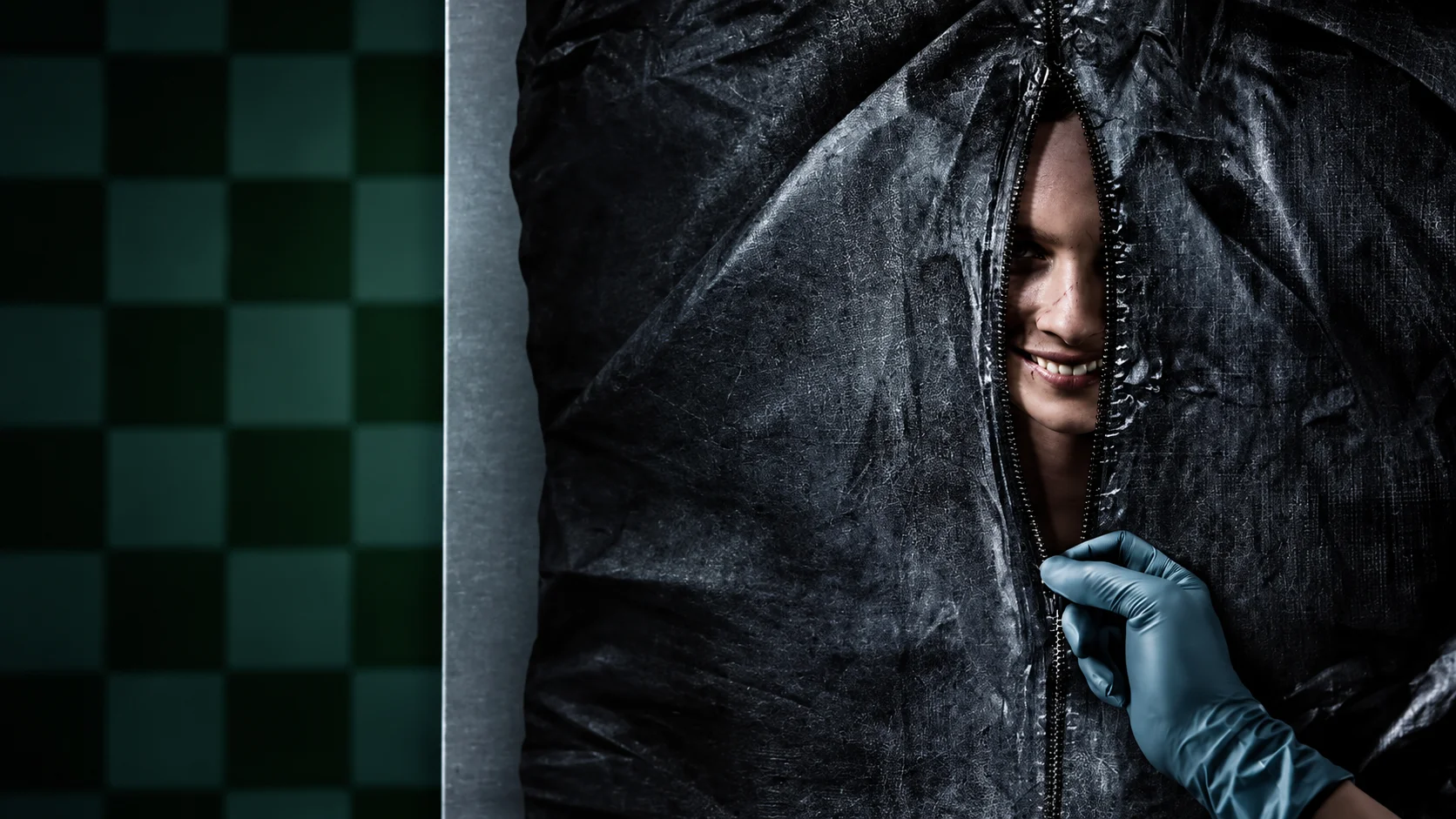
For decades, horror cinema followed a strict set of rules. Between 1934 and 1968, the Motion Picture Production Code, often called the Hays Code, ensured that evil was always punished. If a character committed a crime or embodied malice, they had to face a definitive, often divine, retribution by the final frame.
Today, that safety net is gone. Modern horror thrives on the realization that evil does not always lose. In many of the most celebrated films of the last decade, the villain does not just survive: they win. These endings stick with us because they mirror a chaotic reality where closure is rare and justice is not guaranteed. Here is a deep dive into the horror movies with the scariest endings, explained through the lens of psychological dread and narrative subversion.
The Shift from Morality to Nihilism
The transition into nihilistic horror began in earnest on 1 October 1968, with the release of George A. Romero’s Night of the Living Dead. Before this, audiences expected the hero to survive. Romero shattered that expectation, creating a template for the modern “unhappy ending” that independent filmmakers still use to shock audiences today.
1. The Invitation (2015): The Red Light Signal
Directed by Karyn Kusama, The Invitation is a masterclass in slow burn tension. The story follows Will, a man attending a dinner party hosted by his ex-wife. While the first two acts feel like a tense psychological drama, the ending pivots into a cult nightmare.
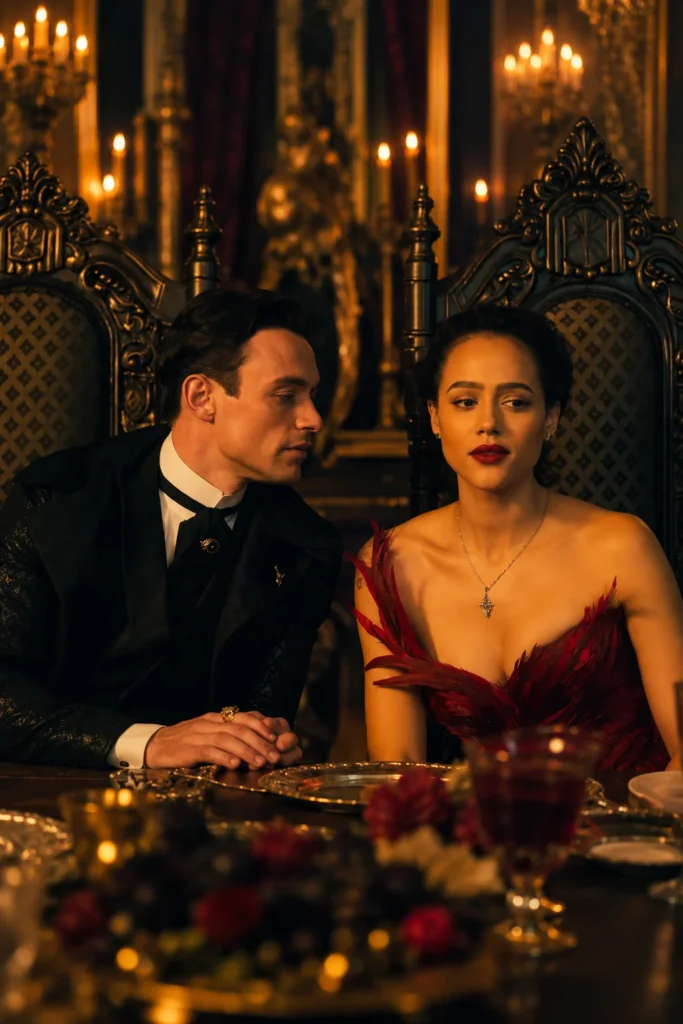
The Ending Explained: After surviving a night of poison and violence, the protagonists step outside, thinking they are safe. However, they see red lanterns lit across the hills of Los Angeles. This signifies that their experience was not an isolated incident. It was a synchronized, city wide execution event. The villain here is not just a person, but an entire ideology that has already won before the movie even started.
2. The Boy (2016): When Gothic Ghost Stories Shift Gears
William Brent Bell’s The Boy initially presents itself as a classic haunted house film. Greta, a nanny played by Lauren Cohan, is hired to care for a porcelain doll named Brahms. The film spends its runtime convincing you of a supernatural presence.
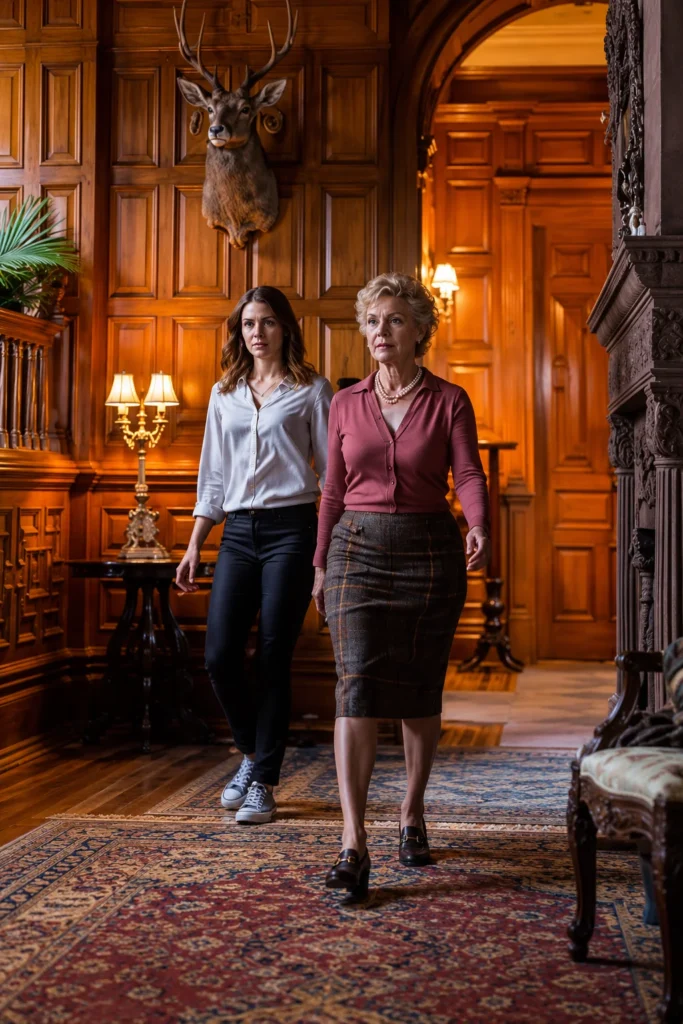
The Ending Explained: The twist reveals that the film is not a ghost story at all. The “real” Brahms has been living inside the walls of the mansion for years. This shift from supernatural to slasher is jarring because it grounds the horror in physical reality. The villain wins by surviving the final confrontation, resetting the cycle of obsession in the hidden crawlspaces of the home.
3. Honeymoon (2014): The Horror of Losing Your Partner
Honeymoon stars Rose Leslie and Harry Treadaway as newlyweds at a remote lake cabin. The horror begins when Bea (Leslie) is found dazed in the woods. The film maintains a delicate balance between a psychological breakdown and an alien abduction narrative.
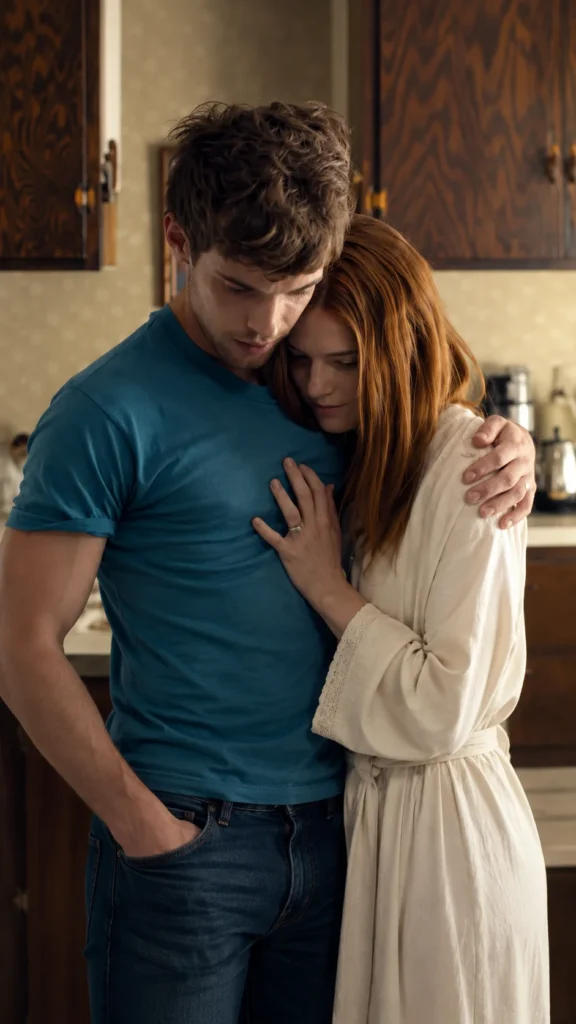
The Ending Explained: The finale is haunting because it focuses on the total erasure of identity. As Bea leads Paul back to the water, the ambiguity of her condition is stripped away. The “thing” inhabiting her has completely replaced the woman he loved. The villain here is the biological theft of a human being, a victory that is both intimate and cosmic.
4. The Break-In (2016): Reality is Scarier Than Fiction
This independent found footage film by Justin Doescher uses low production values to its advantage, creating a sense of terrifying voyeurism. It follows a couple, Jeff and Melissa, as they deal with a series of neighborhood burglaries.
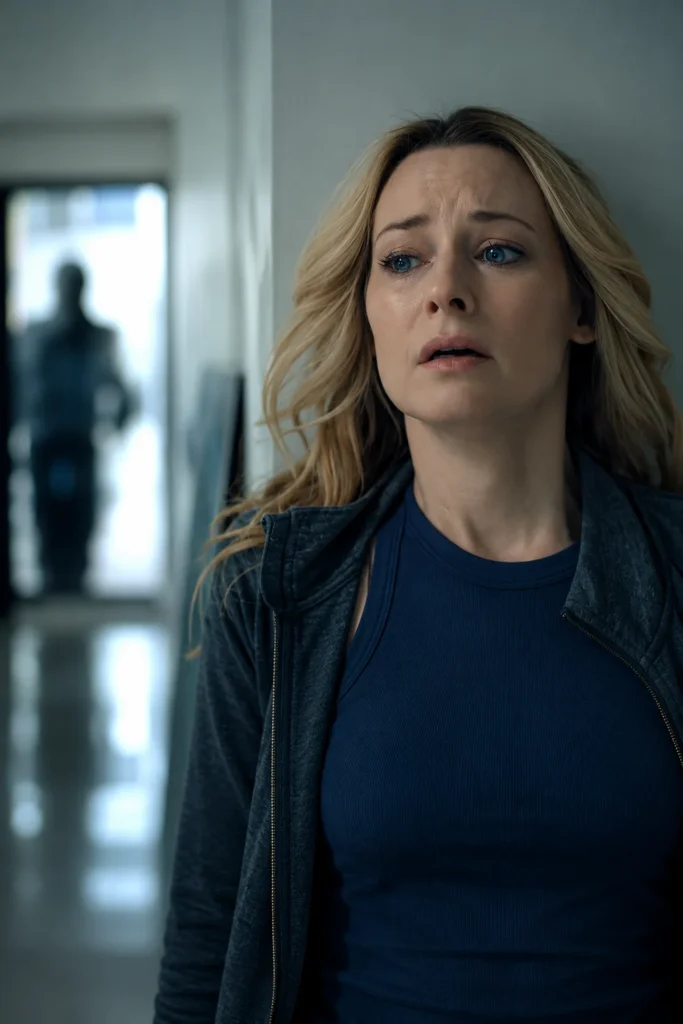
The Ending Explained: The film subverts the home invasion trope by revealing that the threat was already inside the inner circle. By the time the camera stops rolling, the sense of security associated with the suburban home is permanently destroyed. It works because it avoids the “monster in the dark” cliché, choosing instead to highlight the betrayal of trust.
5. Night of the Living Dead (1968): The Birth of the Bleak Ending
We cannot discuss scary endings without the film that started it all. Ben, played by Duane Jones, survives a night of relentless zombie attacks by hiding in a cellar. He is the most capable, rational person in the film.
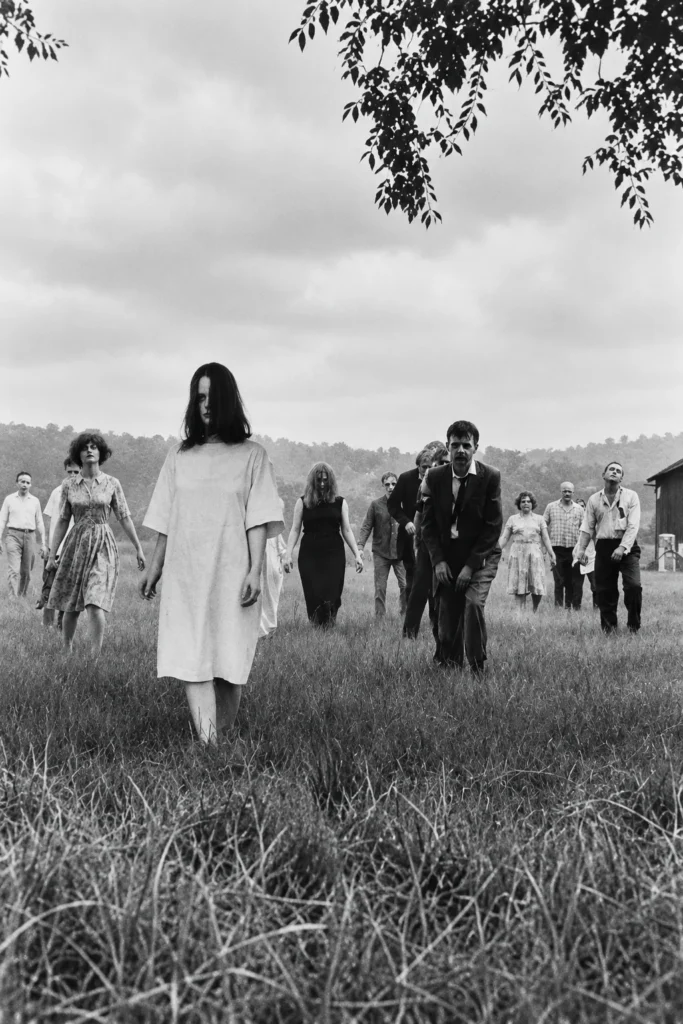
The Ending Explained: When the sun rises, a rescue posse arrives. Seeing a figure in the window, they shoot Ben in the head, assuming he is a ghoul. The villain in this ending is not the zombies, but human prejudice and the chaotic nature of authority. It remains one of the most devastating final shots in cinema history.
Also Read: Is Jenna Ortega Leaving Wednesday? Her TV Hiatus Explained
Comparing Modern vs. Classic Horror Resolutions
| Era | Primary Goal | Ending Style |
|---|---|---|
| 1930s to 1960s | Moral Lessons | Evil is always punished by fate or law. |
| 1970s to 1980s | Slasher Thrills | The monster “dies” but returns for a final jump scare. |
| 2010s to Present | Psychological Impact | Ambiguous, nihilistic, or total villain victory. |
Why We Find ‘Villain Wins’ Endings So Effective
Psychologically, a happy ending provides a “release” of the cortisol and adrenaline built up during a scary movie. When a filmmaker denies us that release, the tension stays in the body long after the credits roll. Endings like those in The Invitation or Honeymoon force the viewer to re-evaluate the entire story. They are not just shocks for the sake of shock: they are organic conclusions to themes of grief, paranoia, and the loss of control.
Frequently Asked Questions
Q.Why do modern horror movies have such sad endings?
Filmmakers often use bleak endings to reflect modern anxieties about the world, moving away from the forced “happy endings” required by older censorship codes.
Q.What happened to the main character in The Boy (2016)?
While Greta manages to escape the house, the final scene shows Brahms repairing his doll, implying that the cycle of violence will eventually begin again.
Q.Is the ending of Honeymoon (2014) about aliens?
Yes, the film uses body horror and alien themes as a metaphor for the way people can become strangers to one another even within a marriage.
Q.Why was Ben killed at the end of Night of the Living Dead?
His death was a commentary on the racial and social tensions of the late 1960s, showing that the living can be just as mindless and dangerous as the dead.