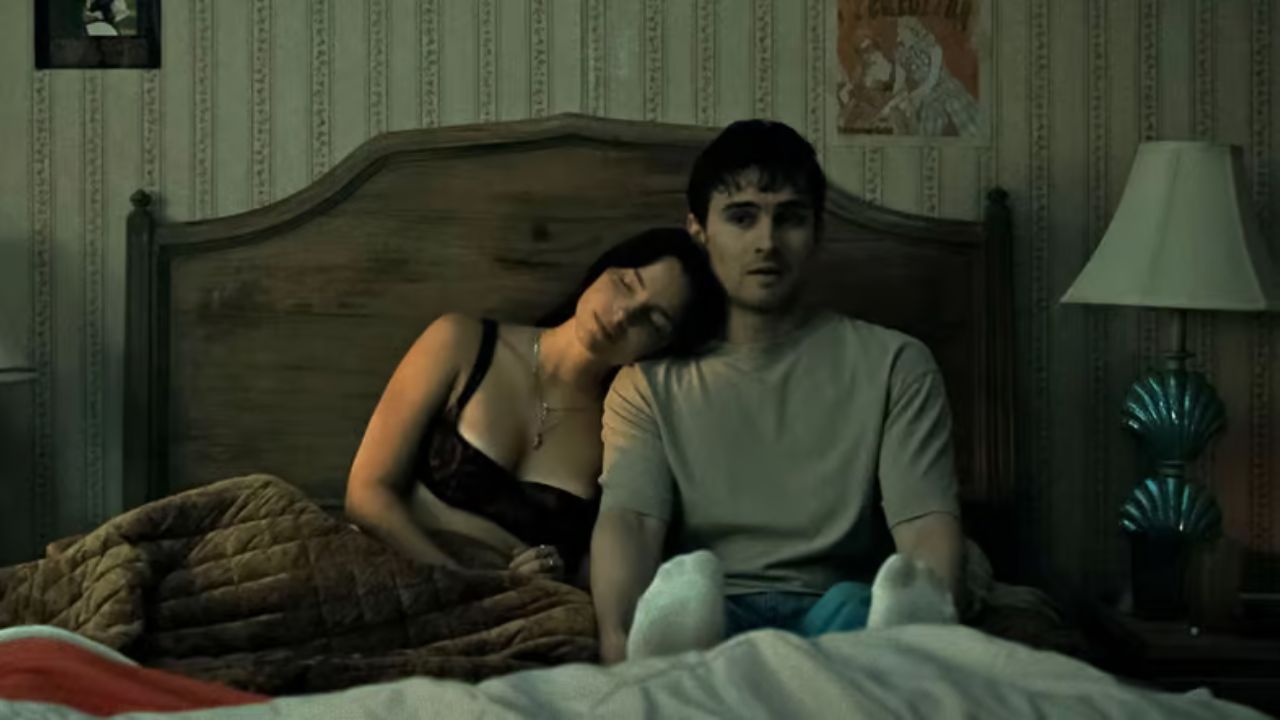
A terrifying, funny, heartbreaking horror film that turns a simple wish into a nightmare, and announces Curry Barker as one of the most exciting new voices in modern cinema.
There are horror movies that scare you. There are horror movies that entertain you.
And then there are horror movies like Obsession, films that sneak up on you, wrap themselves around your subconscious, and linger long after the credits roll.
Written, directed, and edited by Curry Barker, Obsession arrives with the kind of underdog story Hollywood loves to tell but rarely produces anymore. Made for a reported budget of just $750,000 and shot in roughly twenty days, the film has become one of the most astonishing horror success stories in recent memory.
Barker, once known primarily for YouTube sketches and micro-budget online horror projects, has pulled off something that many studio filmmakers with hundred-million-dollar budgets fail to achieve:
He made audiences care. And then he terrified them.
What Is Obsession About?
At its core, Obsession begins with a premise so simple it almost sounds like a campfire story.
A lonely young man, desperate for the affection of his lifelong friend, discovers a supernatural object capable of granting wishes. He wishes that she would love him more than anything else in the world.
The wish comes true. And that is where the nightmare begins. What starts as a fantasy quickly mutates into a horrifying exploration of possession, dependency, loneliness, entitlement, and the dangerous desire to control another human being.
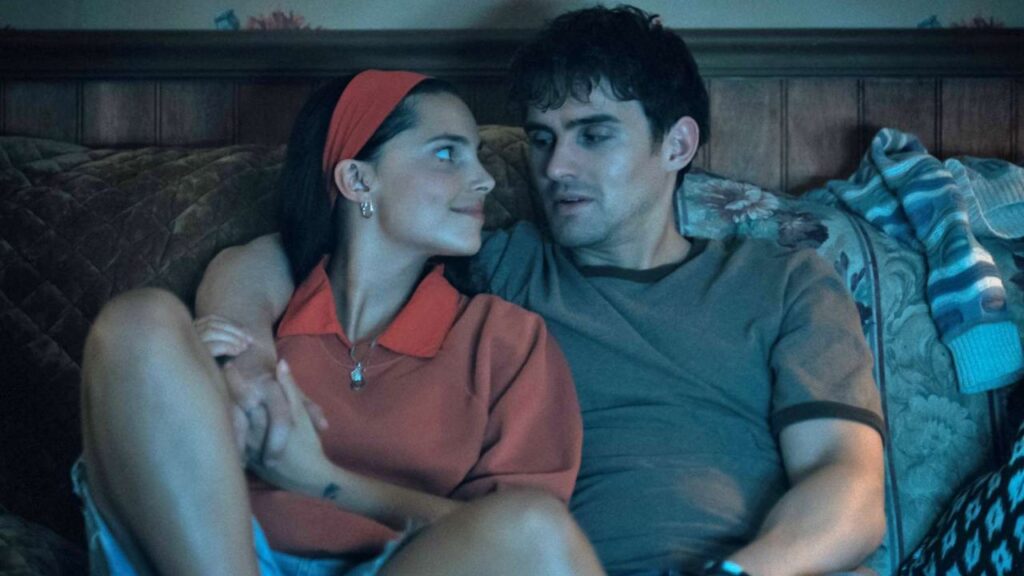
The brilliance of the screenplay lies in how quickly Barker transforms a romantic dream into a psychological prison.
The film asks a disturbing question: What if you got exactly what you wanted?
Curry Barker: The YouTuber Who Just Shocked Hollywood
The story behind Obsession is nearly as compelling as the film itself. Before becoming one of horror’s hottest emerging filmmakers, Curry Barker built an audience through YouTube videos, short films, and viral horror experiments.
His earlier micro-budget work demonstrated an unusual understanding of pacing, suspense, and audience psychology, skills that many filmmakers spend decades trying to master. What makes Barker’s transition remarkable is that Obsession never feels like a ‘YouTuber movie.’
It feels like a filmmaker’s movie. That distinction matters.
Too often, creators crossing over from online platforms bring internet habits into cinema. Barker does the opposite. He understands framing, silence, tension, and emotional rhythm. Every scene serves a purpose. Every shot feels intentional.
This isn’t a YouTuber trying to make a movie. It’s a filmmaker who happened to start on YouTube. And Hollywood should pay attention.
The Horror Works Because The Emotion Works
The greatest strength of Obsession is that it understands a truth many horror films forget: Fear means nothing without emotional investment.
The relationship at the center of the film feels authentic enough that when everything begins unraveling, we feel genuine sadness underneath the terror.
The film is often funny. Sometimes surprisingly sweet. Then suddenly devastating. The tonal balancing act should not work. Yet Barker pulls it off with confidence that recalls early Sam Raimi and modern horror auteurs like Jordan Peele and Zach Cregger.
The laughs make the scares hit harder. The scares make the tragedy hit deeper.
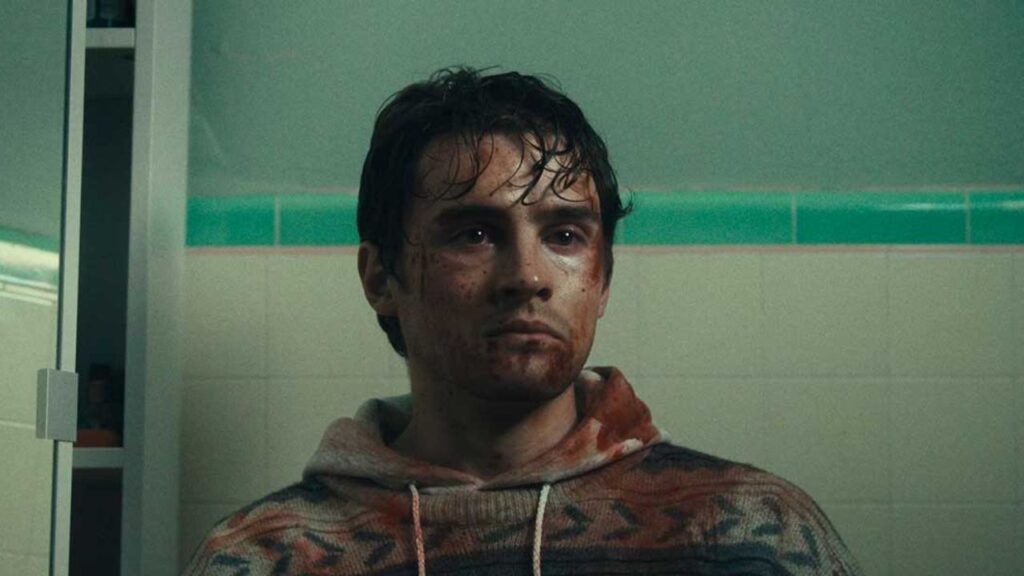
Inde Navarrette Delivers A Star-Making Performance
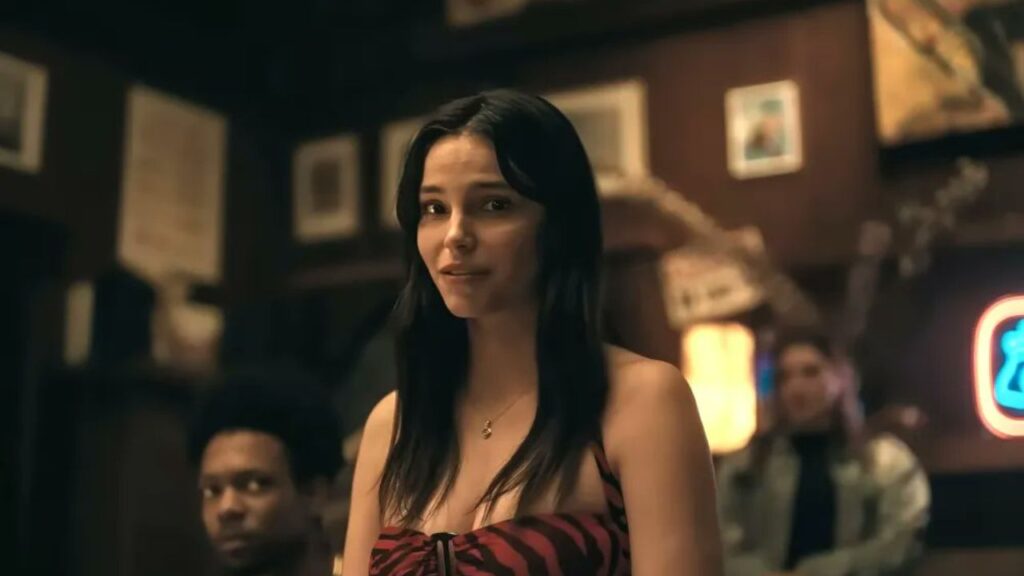
If Obsession has a secret weapon, it is Inde Navarrette. Her performance requires her to navigate multiple emotional states, friendship, affection, obsession, terror, vulnerability, and rage, sometimes within the same scene.
She never loses control of the character. What could have easily become an over-the-top horror caricature instead becomes deeply unsettling because Navarrette grounds every moment in emotional reality.
The audience believes her. And that belief makes the horror unbearable. This feels like the kind of performance people will point back to years from now and say: ‘That’s when she became a star.’
The Visuals Look Far More Expensive Than $750,000
Let’s talk about the miracle. A budget of $750,000. In modern Hollywood, that’s less than the catering bill on some blockbuster productions.
Yet Obsession consistently looks cinematic.
The photography is clean, deliberate, and surprisingly elegant. Barker and his cinematography team understand that atmosphere matters more than spectacle. Instead of spending money on endless visual effects, they invest in mood. The result is a film that feels far larger than its actual cost. Many $50 million horror movies don’t look this confident.
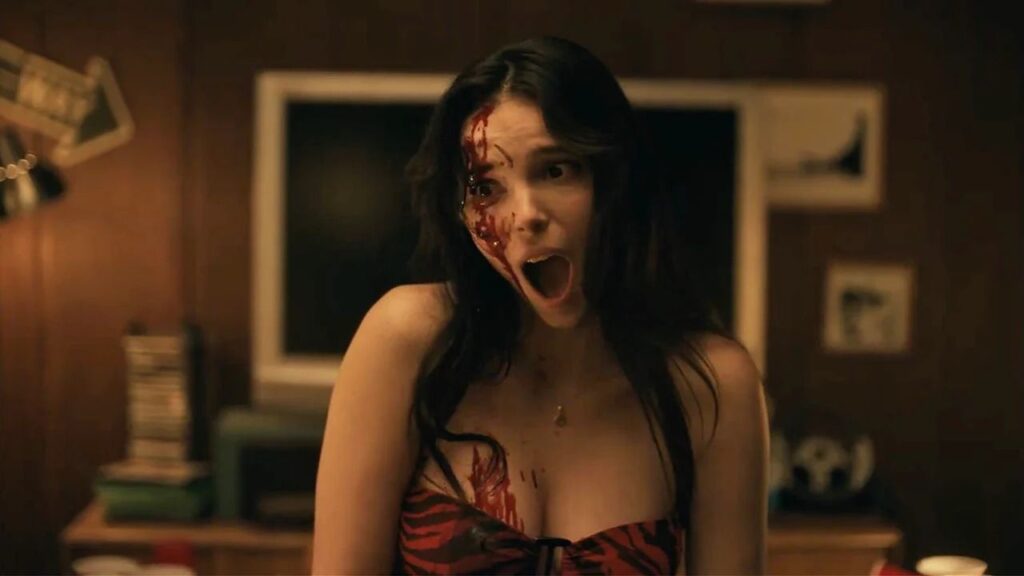
Why Obsession Feels Different From Modern Horror
Much of contemporary horror has become obsessed with mythology.
Lore. Sequels. Expanded universes. Explanations. Obsession wisely avoids these traps.
It focuses on character first. The supernatural elements remain mysterious enough to stay frightening. Barker understands one of horror’s oldest lessons: The unknown is almost always scarier than the explained. That restraint elevates the film significantly.
Where Obsession Could Have Been Better
No film is perfect. And Obsession occasionally shows signs of its limited resources. Some supporting characters feel underdeveloped compared to the central relationship. A few scenes appear to rush through emotional beats that deserve more breathing room.
The third act, while effective, occasionally prioritizes momentum over deeper character exploration. There are moments where one wishes Barker had another fifteen minutes of runtime to fully unpack some of the psychological implications introduced earlier in the story.
Additionally, certain horror sequences rely on familiar genre mechanics that veteran horror fans may see coming. The surprises are powerful. But not every surprise lands with equal force. Still, these shortcomings feel remarkably minor when viewed against the scale of Barker’s achievement.
The Film’s Hidden Theme: The Horror Of Possession
What elevates Obsession beyond simple genre entertainment is its thematic intelligence. This isn’t merely a movie about a cursed wish. It’s about ownership. Control. The illusion of romance.
The idea that love can somehow be earned, demanded, or manufactured. Barker weaponizes familiar romantic fantasies and exposes the darkness beneath them. The result is a film that feels deeply modern without ever becoming preachy.
Its themes emerge naturally from character choices. That is far more effective than forcing a message.
A New Generation Of Filmmakers Has Arrived
For years, Hollywood viewed YouTube creators as internet personalities rather than filmmakers. Obsession challenges that assumption. Curry Barker belongs to a generation that learned storytelling outside traditional systems.
Instead of film school, many of these creators learned through experimentation, audience feedback, and relentless practice online. The result is a different kind of filmmaker. More resourceful. More adaptable. More connected to audiences.
Obsession may ultimately be remembered not only as a great horror film but also as a symbol of a changing industry. The next generation of filmmakers isn’t waiting for permission. They’re uploading videos.
Obsession is the kind of movie that reminds us why independent filmmaking matters. It doesn’t have a massive budget. It doesn’t rely on famous stars. It doesn’t hide behind franchise branding.
Instead, it succeeds through imagination, craftsmanship, strong performances, and a filmmaker with a clear voice. For just $750,000, Curry Barker has delivered something extraordinary: a horror film that feels personal, unsettling, funny, tragic, and unforgettable.
Most importantly, he has delivered a movie that audiences genuinely love. And in today’s cinematic landscape, that might be the rarest achievement of all.
Final Score: 4.5/5
A gripping supernatural horror film that transforms a simple premise into a deeply disturbing emotional experience. Curry Barker announces himself as a major filmmaking talent, and Obsession stands as one of the most impressive low-budget horror achievements of the decade.
The film was made on a reported budget of around $750,000–$1 million and was directed by former YouTube creator Curry Barker, whose rise from micro-budget online horror projects to a theatrical hit has become one of the industry’s biggest success stories.