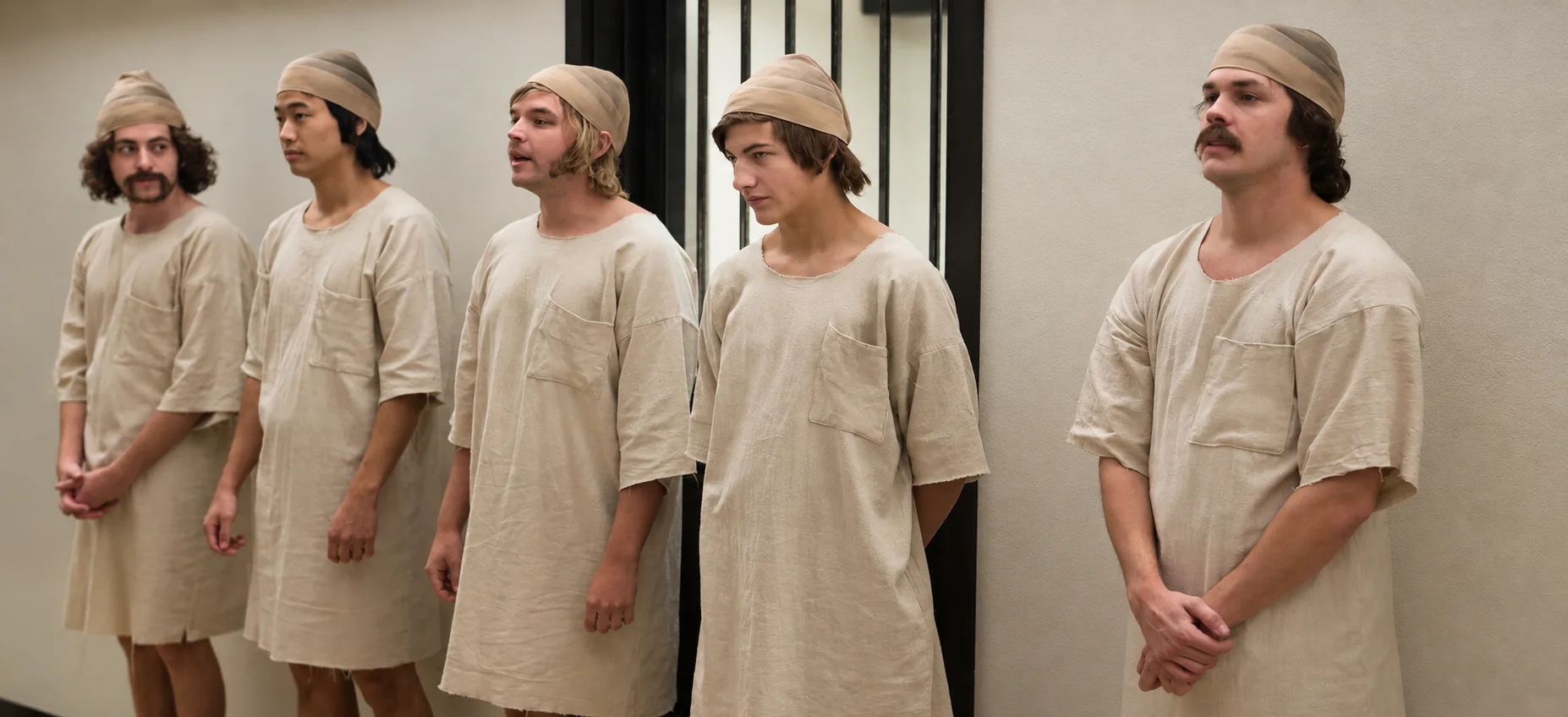
More than five decades after Philip Zimbardo conducted his infamous 1971 study, Netflix is bringing the concept back into the public eye. The streaming giant has officially confirmed a new unscripted series that aims to explore if power truly corrupts when ordinary people are placed in extreme circumstances. Unlike previous dramatizations, this is a massive social experiment filmed with 30 real participants who must navigate two weeks of intense psychological pressure.
Official Netflix Release Date and Episode Count
Mark your calendars for October 21, 2026. Netflix has confirmed that The New Stanford Prison Experiment will debut its entire first season on this date. The series is structured as a six part unscripted journey, with each episode running approximately 45 minutes.
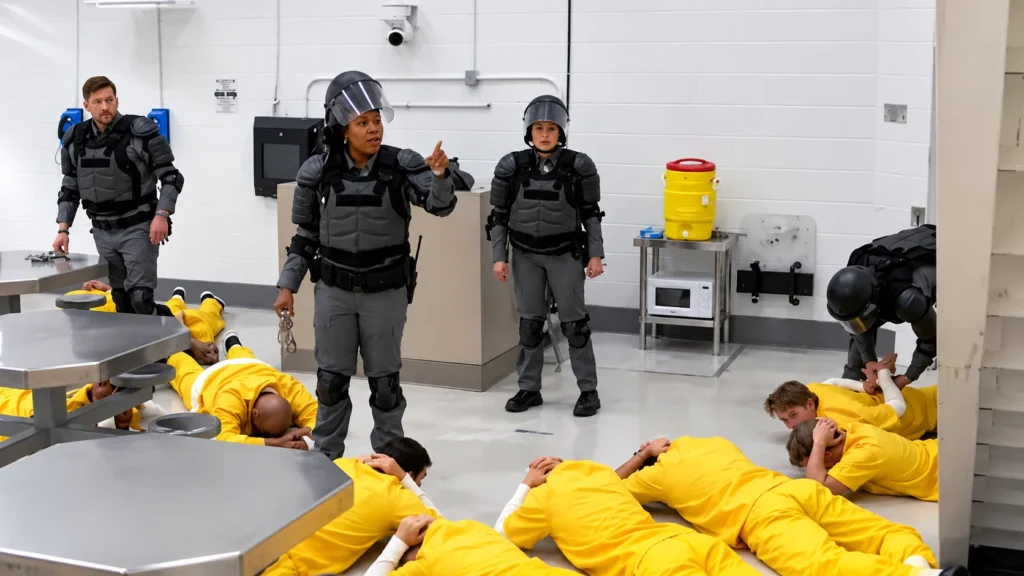
Fans of psychological thrillers and unscripted dramas like Squid Game: The Challenge can expect all episodes to drop at once, allowing for a deep dive into the shifting power dynamics. The production is handled by Alfred Street Industries, the team behind major hits like Top Chef, ensuring high production values and a polished narrative arc.
What Makes the 2026 Series Different?
The original 1971 study is often criticized for its lack of diversity and ethical failures. The 2026 Netflix version attempts to address these historical gaps through several key changes. First, the cast is no longer limited to male college students. Executive producer Jane Lipsitz explained that the producers curated a group of 30 adults reflecting a wide range of geographical backgrounds, political beliefs, and life experiences.
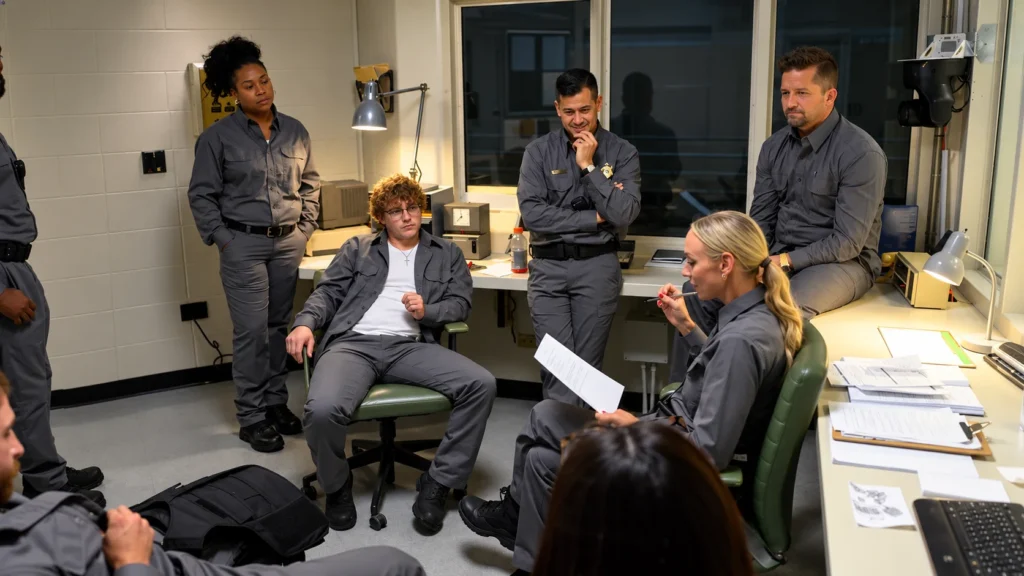
Perhaps the most significant change is the inclusion of women. By creating a mixed gender environment, the show explores how gender politics and modern social dynamics influence authority. This adds a layer of complexity that was entirely missing from the Zimbardo study, which collapsed after only six days due to abuse and psychological breakdowns.
Also Read : Resmi Nair Web Series List Watch Online
The 1971 Study vs. The 2026 Netflix Reimagining
To understand the stakes of this new series, it is helpful to look at how the 2026 version compares to the original psychological disaster. While the first study was a academic experiment gone wrong, the new version is a structured television event with modern guardrails.
| Feature | 1971 Original Study | 2026 Netflix Series |
|---|---|---|
| Duration | Planned for 14 days (Ended in 6) | 14 Days |
| Participant Count | 24 (All Male Students) | 30 (Mixed Gender Adults) |
| Setting | Mock Prison (Stanford Basement) | Real Prison Facility |
| Monitoring | Direct Researcher Observation | Robocams and Remote Interviews |
| Release Date | August 1971 | October 21, 2026 |
| Episode Count | N/A (Documented later) | 6 Episodes |
Safeguards and Ethical Oversight
One of the biggest concerns surrounding the reboot is the safety of the participants. The 1971 experiment is a textbook example of ethical failure, but Jane Lipsitz has stated that her team spent over a year developing the 2026 project to avoid those same pitfalls.
The show employs independent oversight and a dedicated team of experts who monitor the participants 24 hours a day. Unlike Philip Zimbardo, who famously got too involved in the roles himself, the producers here maintained an absolute minimum of interaction. They used robotic cameras (robocams) to ensure that the presence of a film crew did not bias the behavior of the guards or prisoners.
Filming in a Real Prison Setting
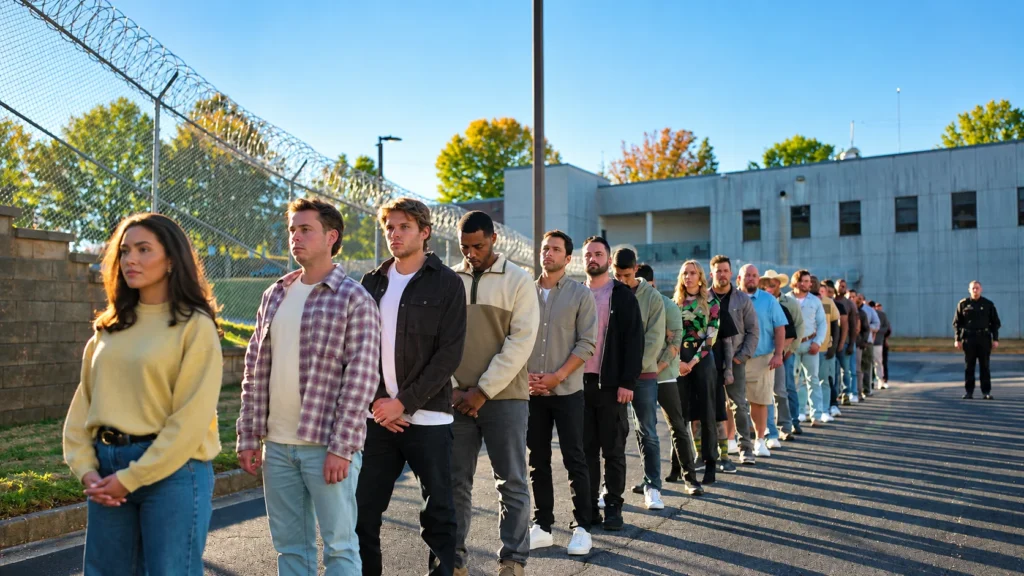
Authenticity was a priority for the production team. Instead of building a set on a soundstage, the participants were moved into an actual prison facility. This choice was intentional, as a real prison carries a specific history and a sense of confinement that cannot be faked.
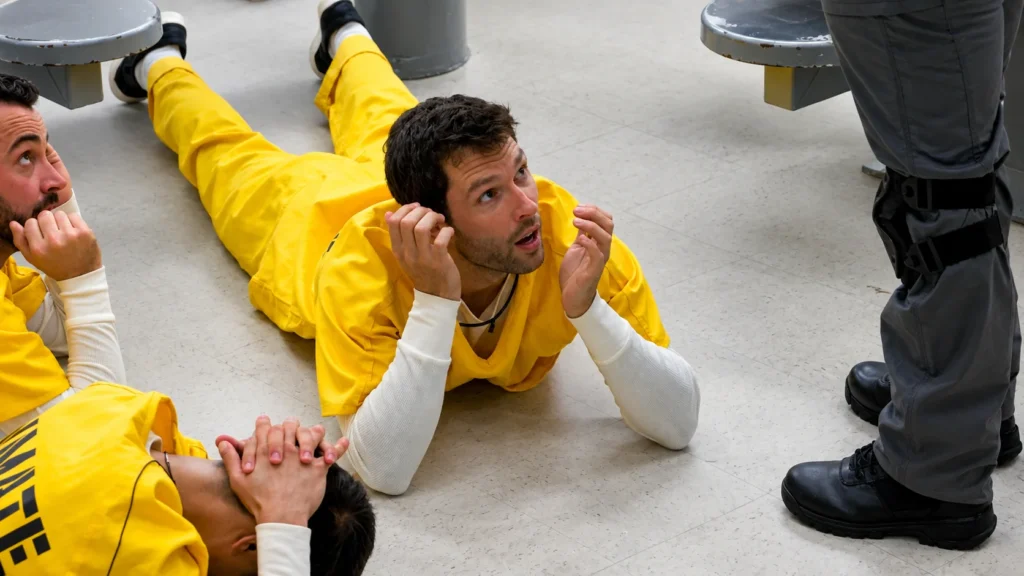
The 30 participants were randomly assigned their roles upon arrival. The guards were given uniforms and authority, while the prisoners were subjected to the loss of their identity and personal freedom. The trailer already hints at the tension this created, showing emotional breakdowns and moments where the guards begin to question their own morality.
Also Read : Vrinda Kulshreshtha Web Series List
Why Now? The Impact of Power and Social Media
Revisiting this experiment in 2026 feels timely because our relationship with authority and surveillance has changed. In 1971, participants were shocked by being watched. In the modern era, everyone is used to being on camera. Producers noted that participants actually began speaking directly to the cameras as the experiment progressed, treating the lenses like confidants.
This series aims to trigger conversations about how modern systems divide us. It asks if empathy and individual morality can survive when a person is forced into a rigid hierarchy. As the official description suggests, the show explores whether ordinary people inevitably conform to roles or if they have the strength to resist the system from within.
Frequently Asked Questions
Q.Is The New Stanford Prison Experiment scripted?
No, it is an unscripted social experiment. While the environment is constructed, the reactions and interactions of the 30 participants are real.
Q.Where was the new series filmed?
The production took place in a real, functional prison facility to provide a level of intensity and realism that a studio set could not offer.
Q.Who is the producer of the Netflix show?
The series is produced by Alfred Street Industries, with Jane Lipsitz and Dan Cutforth serving as executive producers.
Q.How long did the 2026 experiment last?
The participants were placed in the prison for a total of two weeks, matching the original intended duration of the 1971 study.