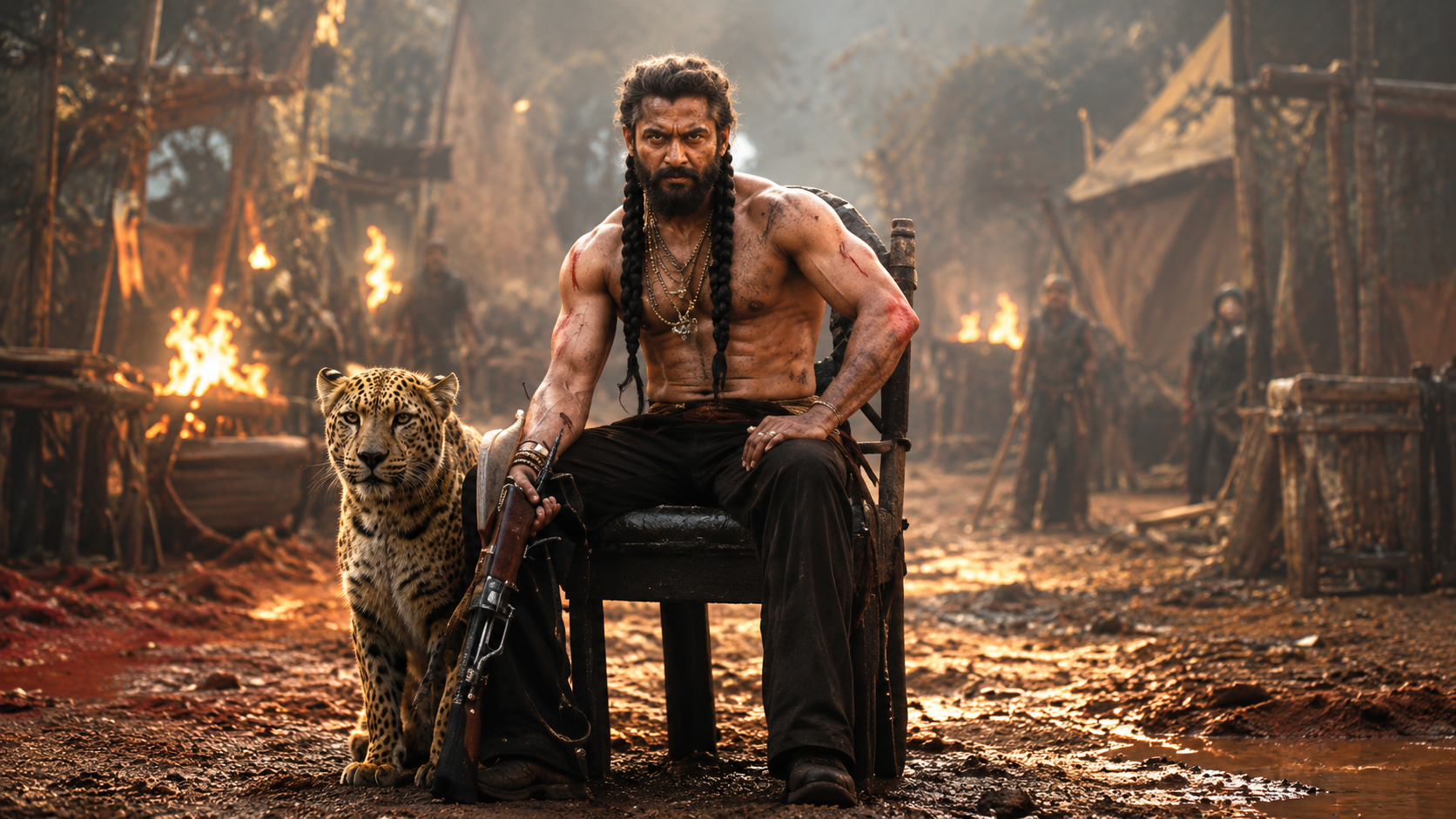
Nani and director Srikanth Odela have reunited for the ambitious action drama The Paradise, released on 24 September 2026. Following their massive collaboration on Dasara, expectations were sky high for this 1980s period piece set in Secunderabad. However, while the film delivers on visual scale and raw physical performances, a growing storm of criticism regarding the sound design is dominating the conversation. From muffled dialogue to an overwhelming score, the auditory experience is leaving many fans frustrated despite the film’s record breaking start.
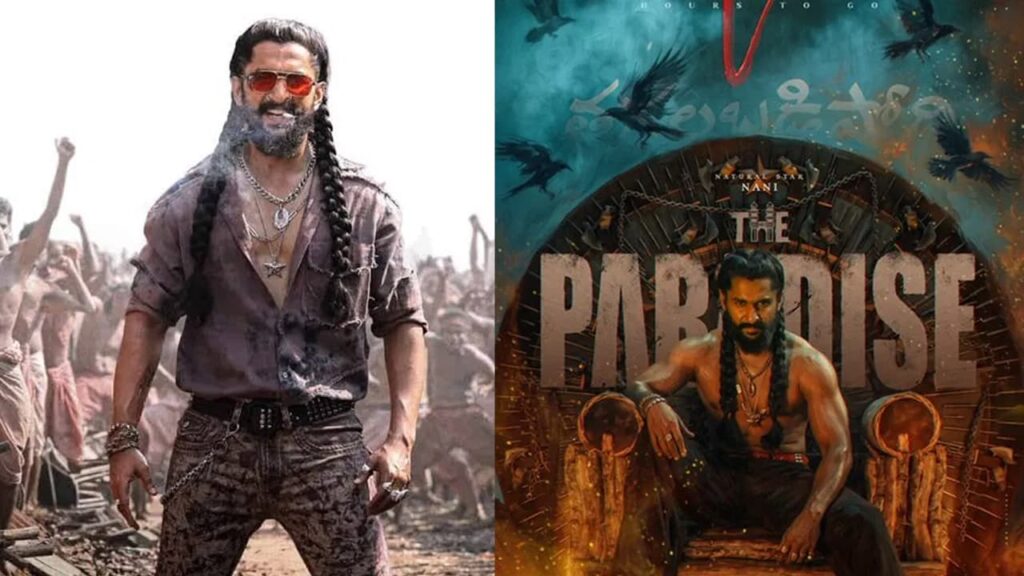
The Sound of Silence: The Paradise Dialogue Controversy
The most significant talking point following the 24 September 2026 premiere has been the sound mixing. Many viewers have reported that the dialogue is nearly inaudible during high intensity sequences. This is not a new phenomenon in modern cinema: directors often prioritize atmospheric realism or a booming score over vocal clarity.
In The Paradise, the combination of a thick 1980s tribal dialect and heavy action noise makes it difficult to follow key plot points. While some argue that muffled dialogue is an artistic choice to reflect the chaos of Jadal’s world, it creates a barrier for the average moviegoer. When the background score competes directly with the actors’ voices, the emotional weight of the dialogue often gets lost in the noise.
Also Read: Shaque Cast: Meet Parineeti Chopra & Jennifer Winget’s Characters
Nani as Jadal: A Physical Masterclass
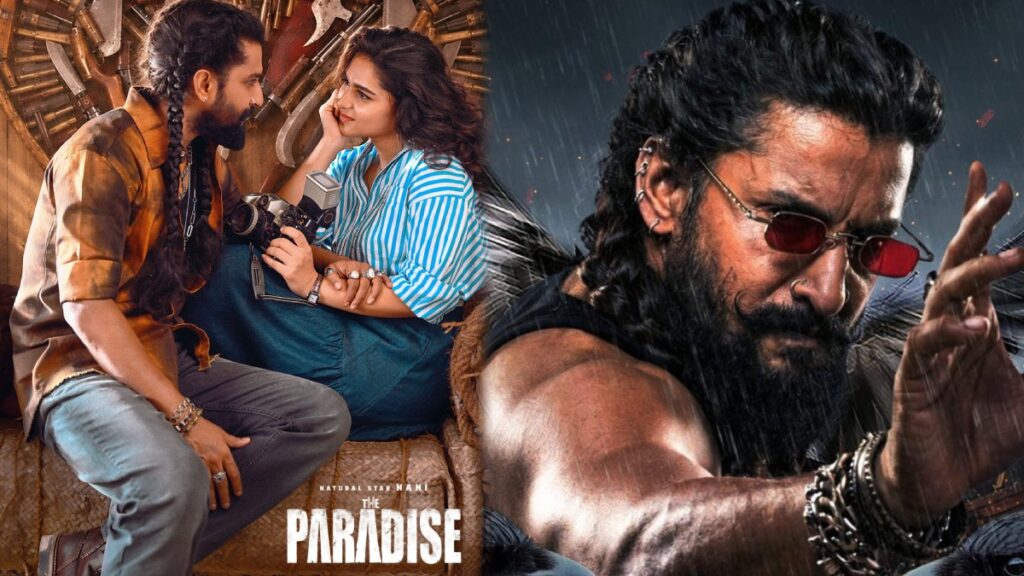
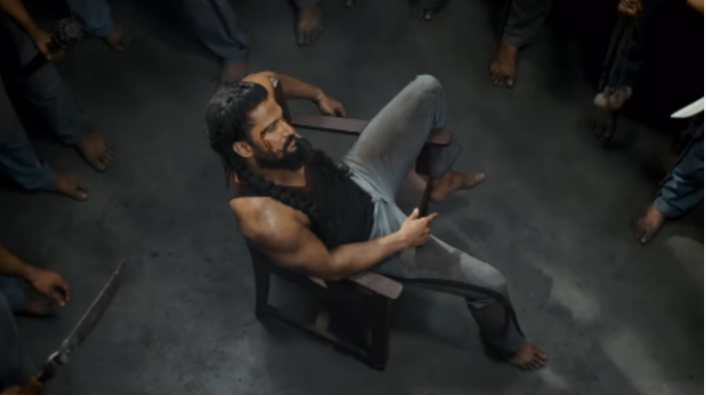
If there is one undeniable reason to watch The Paradise, it is Nani. Playing the character of Jadal, a member of the marginalized Savaari tribe, Nani undergoes a startling physical transformation. With lean muscles, long braids, and a weathered gait, he fully embodies a man shaped by systemic oppression.
His dedication to the role is evident in every frame. Jadal is not just a typical action hero: he is a man pushed to the brink who eventually decides to burn the system down. Nani’s conviction in the action sequences, choreographed by Ram, Lakshman, and others, provides the film with its most visceral moments. Even when the screenplay falters, his screen presence keeps the audience anchored to the screen.
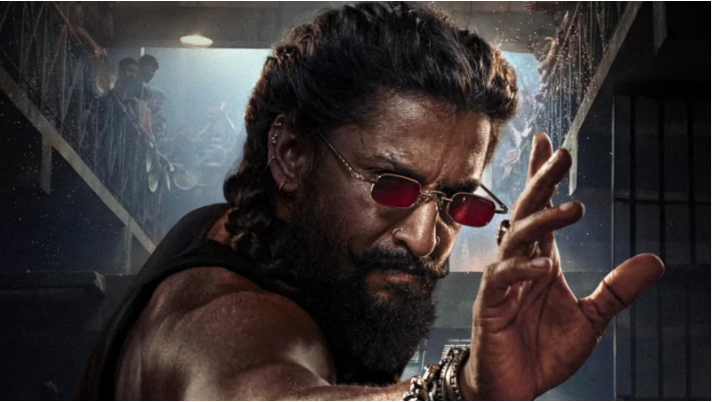
The Narrative Template: Oppression vs. Rebellion
Despite the massive budget, which is reportedly five times larger than Dasara, the core story of The Paradise follows a very familiar path. The film centers on the Savaari community, a tribe living without legal identity or citizenship in 1980s India. They are ruled by the iron fist of Shikanja Malik, played by the legendary Mohan Babu.
| Character | Actor | Role |
|---|---|---|
| Jadal | Nani | Reluctant rebel from the Savaari tribe |
| Shikanja Malik | Mohan Babu | The ruthless feudal antagonist |
| Vikram Malik | Raghav Juyal | The antagonist’s son (Telugu debut) |
| Jadal’s Mother | Sonali Kulkarni | The emotional anchor of the first half |
Critics have noted that while the setting is unique, the screenplay relies on tired tropes. The transition from a quiet victim to a violent revolutionary is a path well traveled in Indian cinema. For a film released in 2026, many expected Srikanth Odela to bring a fresh perspective to this ‘oppressed vs. oppressor’ template, but the writing often falls back on predictable beats.
Technical Audit: Visual Splendor vs. Auditory Chaos
Visually, The Paradise is a triumph. Avinash Kolla’s production design and CH Sai’s cinematography create an authentic, grimy, and oppressive atmosphere. The 1980s Secunderabad setting feels lived in, not just like a movie set.
However, the technical polish does not extend to the editing and sound. Navin Nooli’s editing has been described as uneven, particularly in the second half where scenes seem to repeat information without advancing the plot. More importantly, the work of Anirudh Ravichander has received mixed feedback. While his songs are catchy, his background score in this film is being called some of his weakest work. The music often feels disconnected from the scenes, sometimes drowning out the very emotions it is meant to enhance.
Box Office Performance and Reception
Despite the mixed critical reception, The Paradise is a commercial juggernaut. On its opening day, 24 September 2026, the film recorded a live India net collection of 17.91 crore rupees. Advance bookings were equally impressive, totaling over 40 crore rupees across six show dates.
Hyderabad led the charge with 7.47 crore rupees in advance sales. This suggests that Nani’s ‘mass’ appeal remains intact, even if the film itself has divided the audience. The ‘A’ certificate from the CBFC has not deterred fans, though it has limited the film’s reach for family audiences.
Also Read: Premada Oorali Kannada Movie: Cast, Release Date & Teaser News
Final Verdict: Is it Worth the Ticket?
The Paradise is a visual spectacle that demands to be seen on a big screen, but it comes with caveats. If you are a fan of Nani’s acting prowess or enjoy raw, grounded action, the film delivers. However, be prepared for a long runtime and sound mixing issues that might leave you straining to hear the dialogue. It is a film that prioritizes style and scale over narrative innovation.
Frequently Asked Questions
Q: Is The Paradise a sequel to Dasara?
A: No, it is a standalone story set in the 1980s, although it features the same director and lead actor.
Q: Why is the dialogue so hard to hear?
A: Sound mixing issues and the use of a specific 1980s tribal dialect have made the dialogue difficult to distinguish from the loud background score and action effects.
Q: What does the ‘A’ certificate mean for the film?
A: The film contains significant violence and raw themes, meaning it is restricted to adult audiences (18+).