⚡ Quick answer
No, Ramayana did not use AI voices. Real actors recorded every line, and Ranbir Kapoor, Yash and Sai Pallavi dubbed their own English dialogue. AI was used only to reshape lip movements so the English words match, through a DNEG tool called Brahma AI.
Ever since the English trailer dropped, one question has followed Ramayana around the internet: “Is that AI?” The mouths match the English too well for a normal dub, and some lines sound oddly smooth. The makers have answered it several times now. Here is what the technology actually does, what it doesn’t, and why people are still arguing about it.
What is Brahma AI in Ramayana?
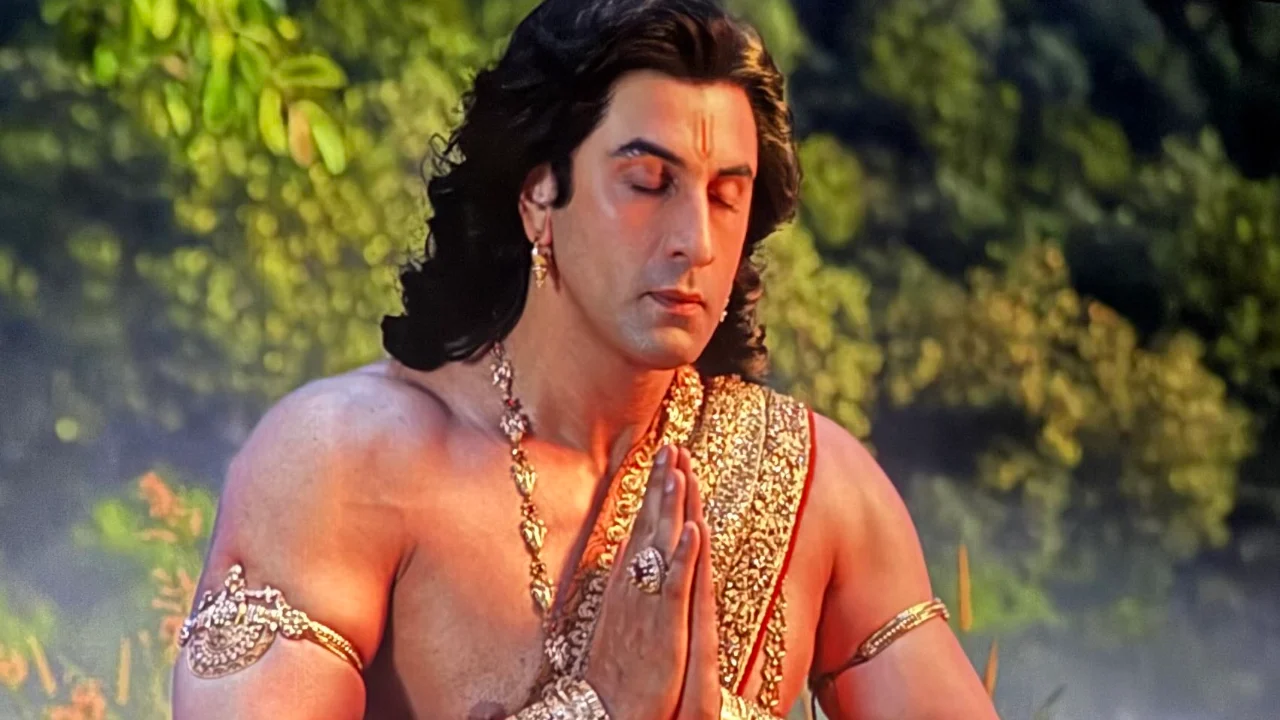
Brahma AI is a tool from DNEG, the visual effects company that also works on Ramayana. It takes footage shot in Hindi and adjusts the actors’ mouth movements so they line up with dialogue recorded in another language. In a normal dubbed film, you hear English while the lips plainly say something else. Here the lips move with the English.
The makers have said the same approach is being used to localise the film for other markets too, with Spanish and Japanese reported alongside English.
Did Ranbir Kapoor and Yash dub their own voices in English?
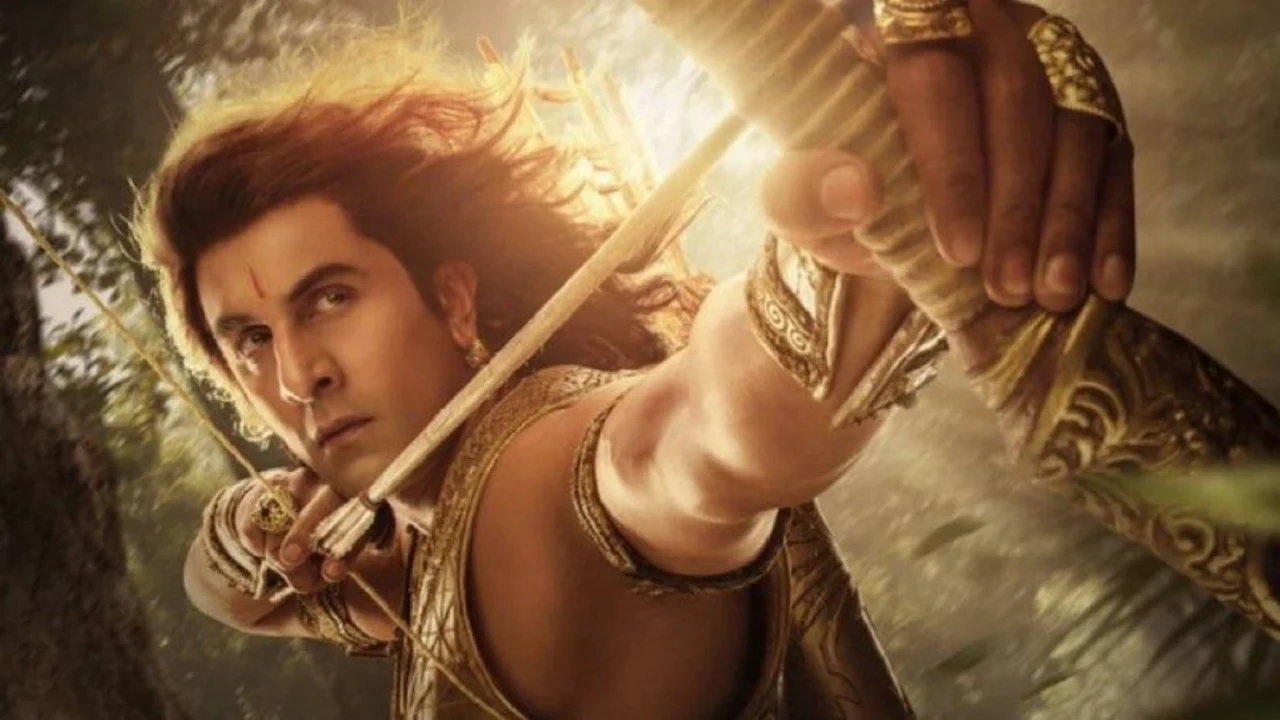
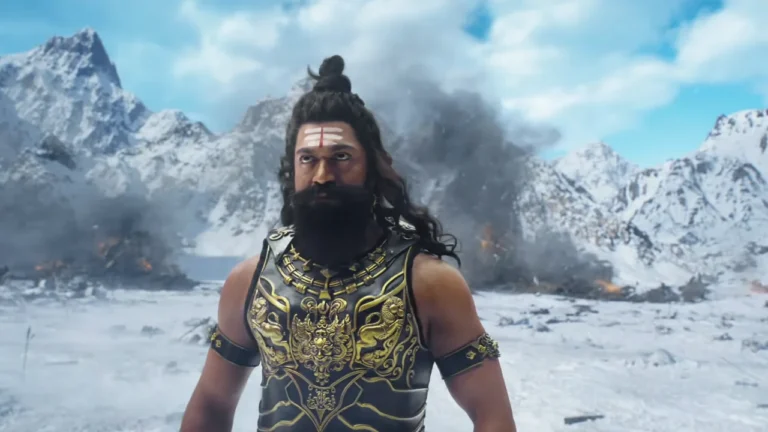
Yes. Producer Namit Malhotra has said the principal cast voiced their own English dialogue: Ranbir Kapoor as Ram, Yash as Ravan and Sai Pallavi as Sita. Other roles were dubbed by professional voice artists. Director Nitesh Tiwari has been blunt about it, saying AI is used “only” for lip-sync and that every voice comes from a real artist.
| Part of the English version | Who or what did it |
|---|---|
| Ram, Ravan and Sita’s English voices | Ranbir Kapoor, Yash and Sai Pallavi |
| Other characters’ English voices | Human dubbing artists |
| Matching lips to the English words | Brahma AI (DNEG) |
| Story, edit and performances | Unchanged footage, in a shorter cut |
Why do people think Ramayana’s English dub sounds like AI?
Because the result looks unusual. Viewers are used to dubbed films where the sync is off, so a perfect match reads as “synthetic.” Some fans also felt the English delivery was flat or overly polished in places, which fed the theory. A few critics went further, calling the English version off-putting, while others praised it as the future of global cinema. Both reactions are about the lip-sync and the voice acting, not about AI writing or voicing lines.
Is the English Ramayana the same film as the Hindi one?
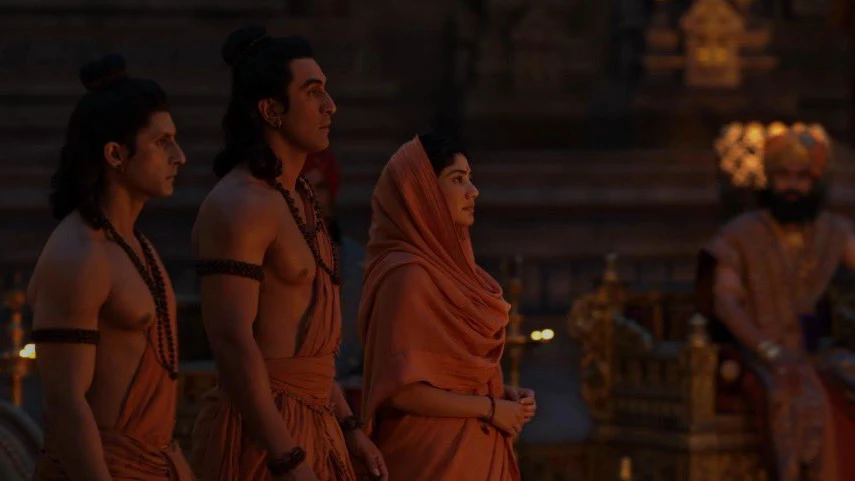
Same footage, different cut. The English version, released abroad as Ramayana: Rise of a Legend, is about 30 minutes shorter and drops the songs and several family scenes. So the AI question and the runtime question are separate: one is about lips, the other about editing.
Should you watch Ramayana in English or Hindi in the US?
If the lip-sync debate makes you curious, the English version is worth one watch just to see how far the tech has come. If you want the performances exactly as the actors gave them on set, pick the Hindi version with subtitles. Both are playing in many US theaters, but check the listing at your local cinema.
Nitesh Tiwari’s full comments: Outlook India.
Keep reading
Frequently asked questions
Did Ramayana use AI voices?
No. All voices were recorded by real actors and dubbing artists. AI was used only to sync lip movements to the English dialogue.
What is Brahma AI?
Brahma AI is a lip-sync tool from DNEG that adjusts actors’ mouth movements to match dialogue recorded in another language.
Did Ranbir Kapoor dub Ramayana in English?
Yes. Ranbir Kapoor recorded his own English dialogue as Ram, as did Yash as Ravan and Sai Pallavi as Sita.
Why does the English Ramayana look different?
The lips are digitally matched to the English words, so it looks less like a traditional dub than viewers expect.
Is Ramayana: Rise of a Legend AI-generated?
No. It is the same live-action film in a shorter English cut, with AI used only for lip-sync.