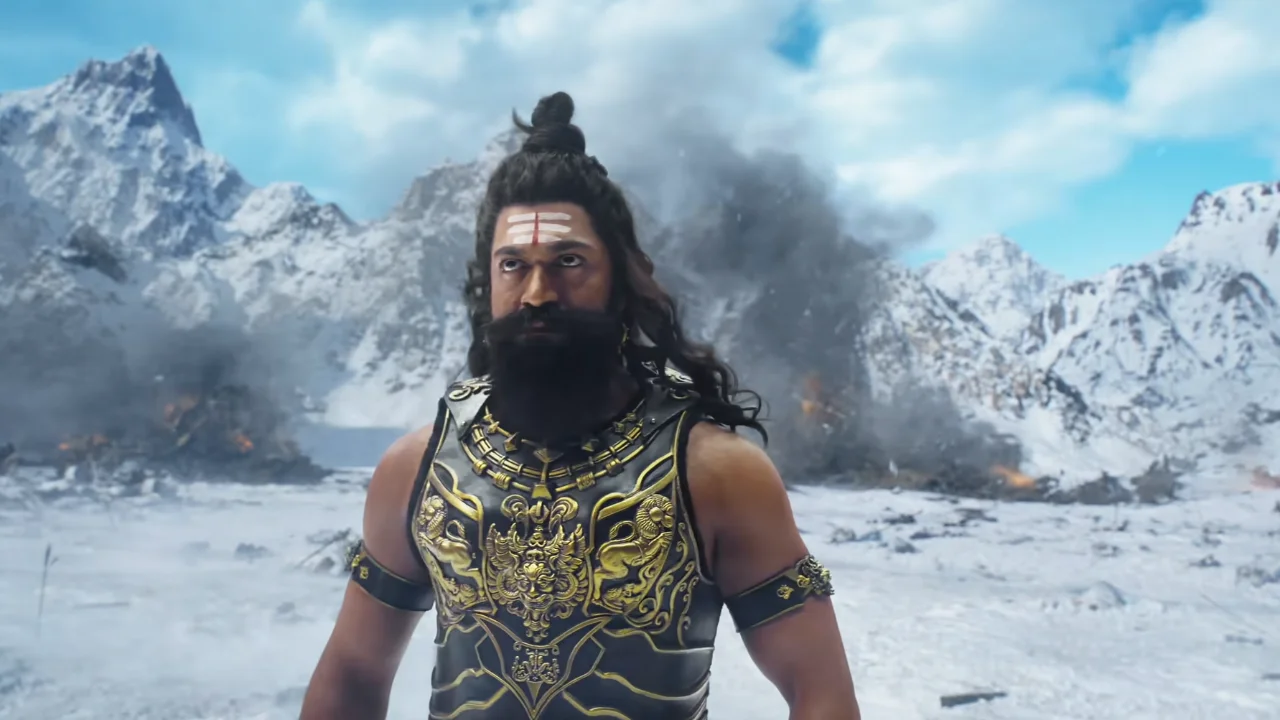
There are films you review, and then there are films an entire country walks into already knowing the ending. Nitesh Tiwari’s Ramayana: Part 1, which opened worldwide today, November 5, 2026, is the second kind. Every Indian who buys a ticket knows who Ram is, why Sita matters, and what Ravan will do. The makers know this too, and that knowledge shapes the whole film, for better and, mostly, for worse.
After a 3-hour-15-minute sit, here is my Ramayana Part 1 review: a visually grand film with a strong first half and a gripping Ravan, undone by a screenplay that sprints through the parts of the story that need room to breathe. It is not the film the marketing promised.
| Film | Ramayana: Part 1 (Ramayana: Rise of a Legend) |
| Director | Nitesh Tiwari |
| Producer | Namit Malhotra (Prime Focus Studios), with Monster Mind Creations |
| Cast | Ranbir Kapoor (Ram / Parshuram), Yash (Ravan), Sai Pallavi (Sita), Ravie Dubey (Lakshman), Arun Govil (Dashrath), Lara Dutta (Kaikeyi), Anupam Kher (voice of Jatayu) |
| Music | A.R. Rahman and Hans Zimmer |
| VFX | DNEG |
| Runtime | 195 minutes |
| Certificate | U |
| Release | November 5, 2026 (theatres, IMAX) |
| EkSukoon Rating | 2 / 5 |
A Film That Assumes You Already Know the Story
The biggest creative choice in Ramayana Part 1 is never stated out loud, but you feel it in every reel: the writers assume the audience already knows the Ramayan. Because of that, they feel free to pick and choose what goes into the screenplay. Episodes that generations of viewers grew up with are trimmed to a line or skipped completely, while threads that serve the film’s own focus get lavish screen time.
That is a fair choice on paper. A retelling does not have to be a checklist. The trouble is that a film still has to earn its emotions on its own terms. You can’t lean on what the audience remembers from Ramanand Sagar’s Ramayan, or from their grandmother’s bedtime stories, and expect the feelings to arrive by themselves. Here, too often, they don’t.
The First Half Belongs to Ravan, and It Works
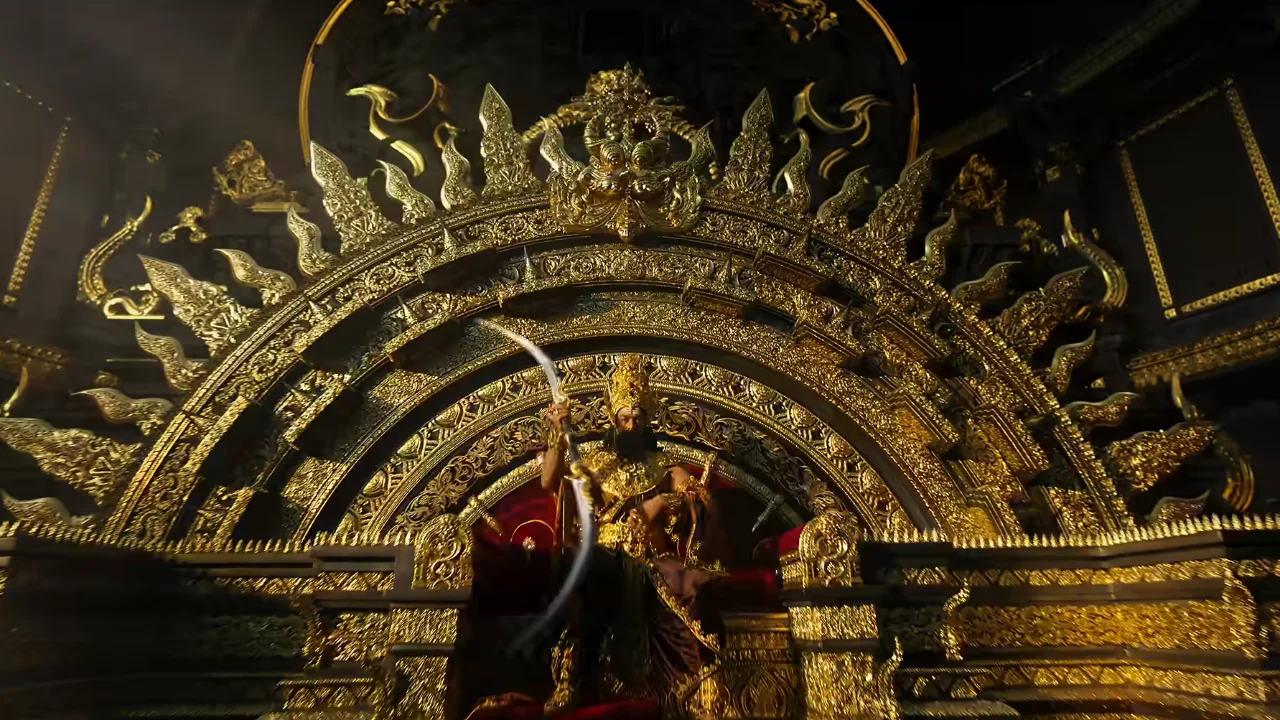
Let me give credit where it is due: the first half is good. The film opens on Ravan rather than Ram, following his rise from a determined devotee to the point where he becomes master of the three worlds. By then he is so drunk on his own power that he dares the gods themselves to fight him. It is a bold opening for a film called Ramayana, and it pays off.
Yash plays Ravan with real weight. He is not a cackling villain; he is a scholar, a Shiv bhakt, a king and a warrior, and the film takes him seriously. Several critics have called him the standout of the film, and on this point I agree with them. If the whole movie had the patience of this opening hour, we would be having a very different conversation.
Then Baal Kaand on Fast-Forward
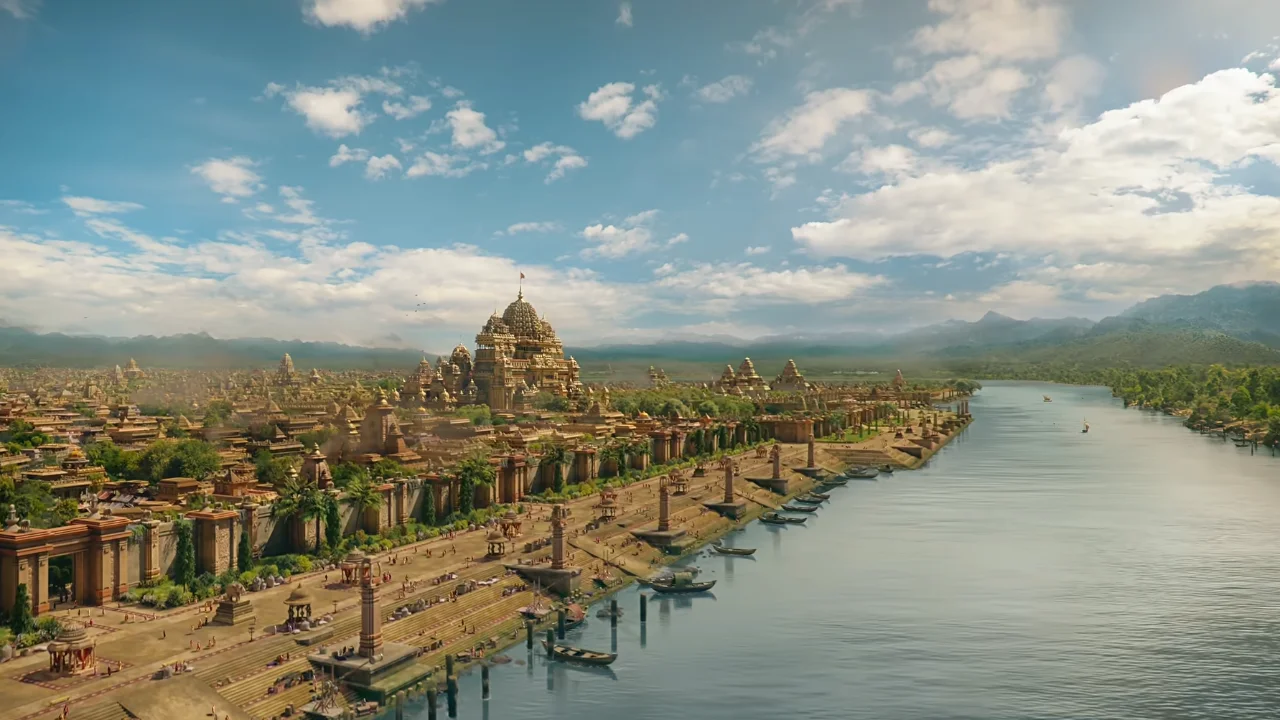
Once the film moves to Ayodhya, the pace changes completely. Everything you have heard about from Baal Kaand happens, but it happens in a rush: Ram’s childhood, his training, Vishwamitra taking the brothers into the forest, the bow, the swayamvar, the wedding. Each event gets ticked off rather than lived in.
The clearest sign of how selective the screenplay is: the Ahilya episode has been scrapped entirely. It is not shown and not even mentioned once. For many viewers, Ram freeing Ahilya from her curse is one of the first stories that tells you who he is: a man whose touch brings redemption. Its absence says a lot about the film’s priorities. The screenplay spends its time on the stories that somehow connect to Ravan, and anything that doesn’t feed that line is trimmed or dropped.
Lakshman Deserved So Much More
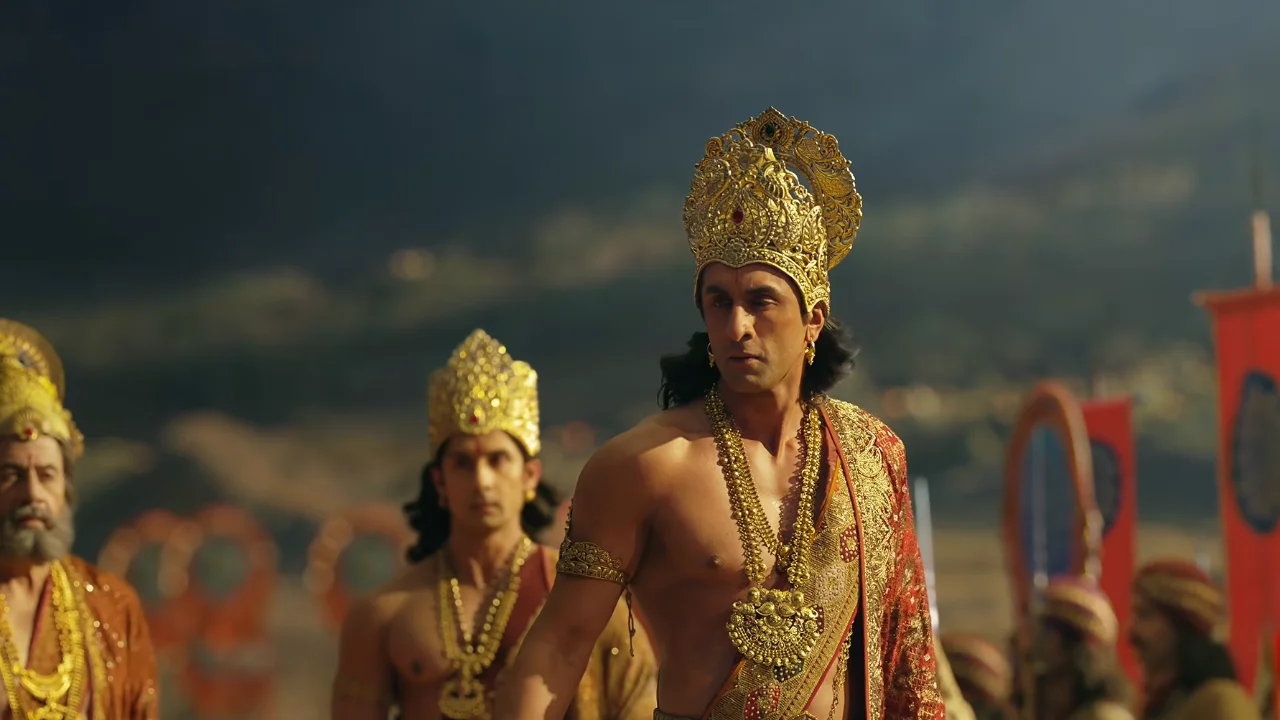
This is my biggest personal disappointment. Lakshman gets nothing to do. He is there only to assist and support Ram, standing a step behind him in almost every frame. Ravie Dubey brings energy whenever he gets the chance, but the script barely gives him one.
It is a missed opportunity, because Lakshman is one of the most fun characters in the entire epic. He is fiercely loyal, short-tempered, protective and, in the right moments, wonderfully cheeky. Anyone who knows the Ramcharitmanas remembers his sharp, mocking back-and-forth with Parshuram at Sita’s swayamvar. Just a couple of scenes like that would have established his personality, given the audience someone to smile with, and made his loyalty in the vanvas hit harder. Instead, he is a bodyguard with a famous name.
Parshuram: Blink and He’s Gone
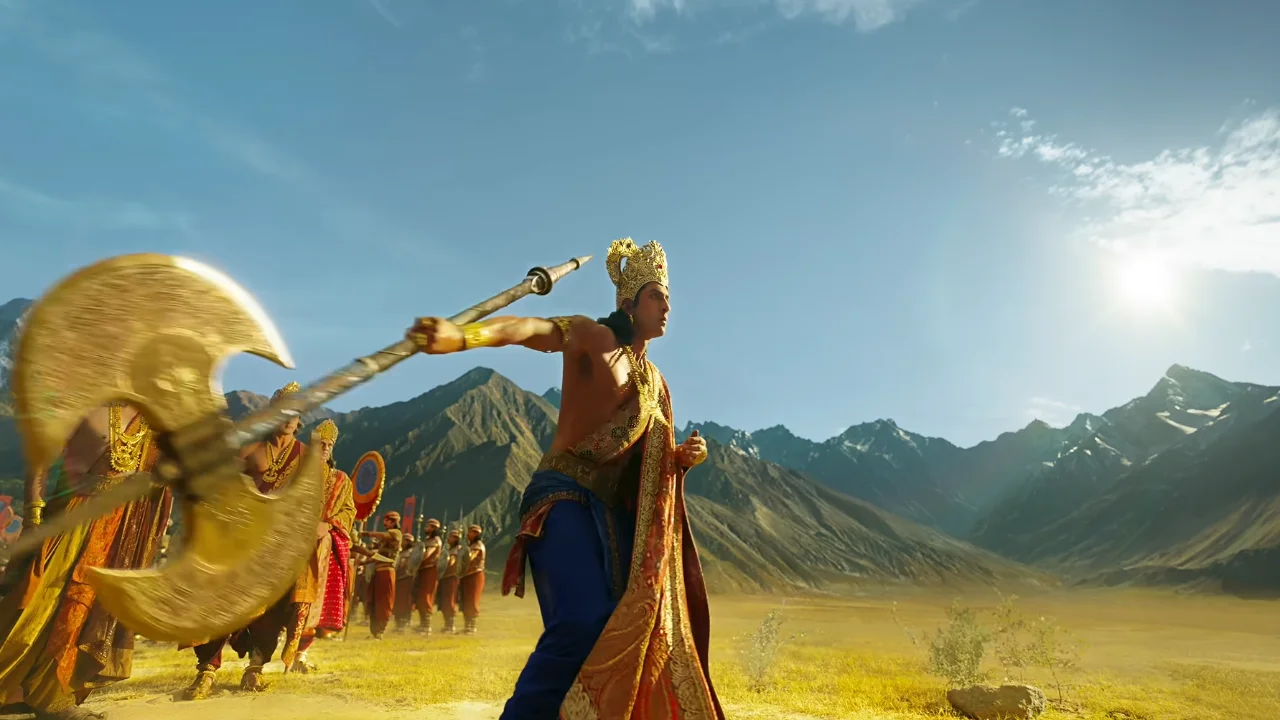
Ranbir Kapoor playing both Ram and Parshuram was one of the most talked-about pieces of casting news before release. Two avatars of Vishnu, one actor, one face-off: it sounded like a showpiece. In the film, Parshuram comes and goes. Trust me, there is nothing more in that segment than what the makers already showed in the trailer.
This is also where the Lakshman problem and the Parshuram problem meet. The Parshuram encounter is the natural place to let Lakshman’s wit shine and to show Ram’s calm in front of a furious sage. The film does neither. A scene that could have been a highlight becomes a quick stop on the way to the next plot point. (If you want to compare, our breakdown of the differences between the Hindi and English trailers shows how much of the film’s best material was already out before release.)
The Vanvas Interval Falls Flat
The vanvas, Ram leaving Ayodhya for fourteen years of exile, should be the emotional peak of the first half. It is the obvious interval block: a father’s broken promise, a mother’s heartbreak, a city in tears, a prince walking away from his crown. The material practically writes the scene for you.
Yet it felt flat. No emotion is evoked from it. Kaikeyi’s turn arrives abruptly, Dashrath’s grief doesn’t get time to sink in, and because the film has rushed through the family dynamics earlier, the separation doesn’t sting. The interval card arrives and you realise you were never allowed to feel what the moment needed. That, in one scene, is the cost of assuming the audience will fill in the emotions themselves.
What Works: Jatayu, and a Smart Setup for Part 2
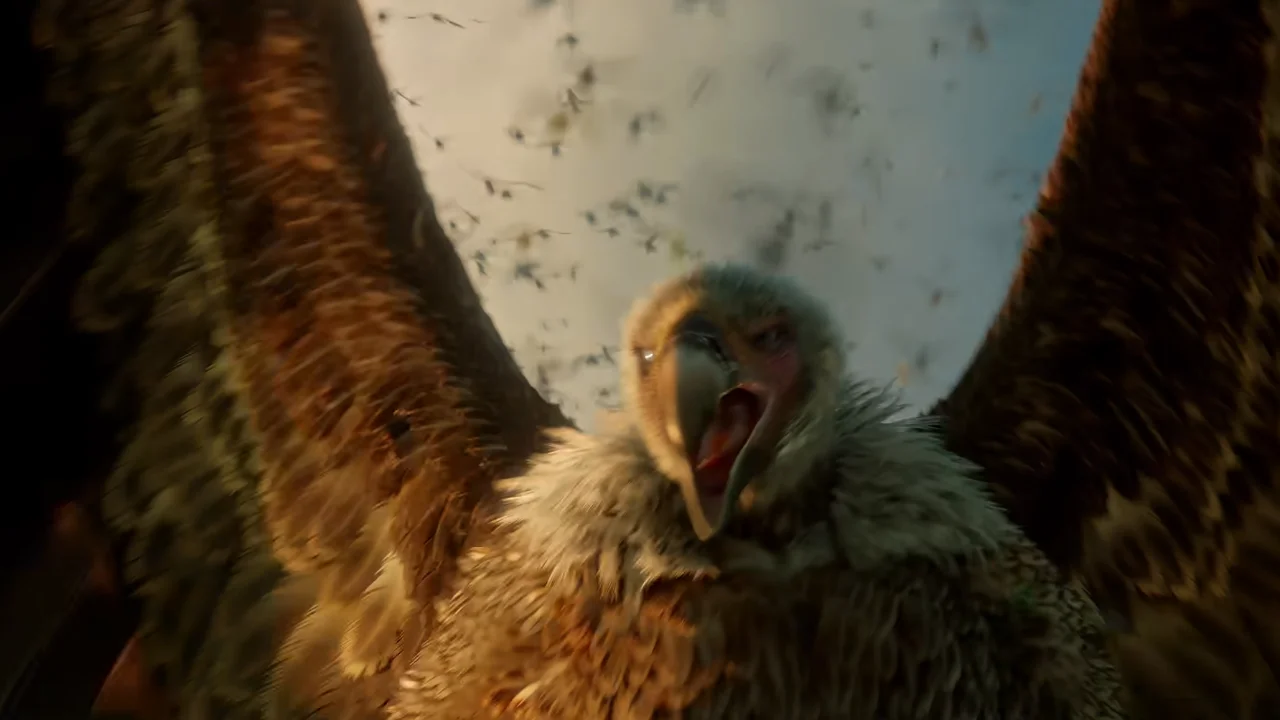
There are good moments, and the best of them belongs to Jatayu. The makers revealed his first look on October 13 with the poster titled “The Wings of Dharma”, announcing Anupam Kher as his voice, and the character delivers.
The Jatayu narration works on two levels. On screen, the wounded bird telling Ram what has happened lands with real emotion. As screenwriting, it is the film’s smartest piece of exposition: through Jatayu, the film tells Ram, and us, exactly how high the stakes are for Part 2. It turns the ending into a promise rather than just a cliffhanger. This is the kind of scene the rest of the film needed more of: one where the craft and the feeling line up.
The VFX Are the Real Star
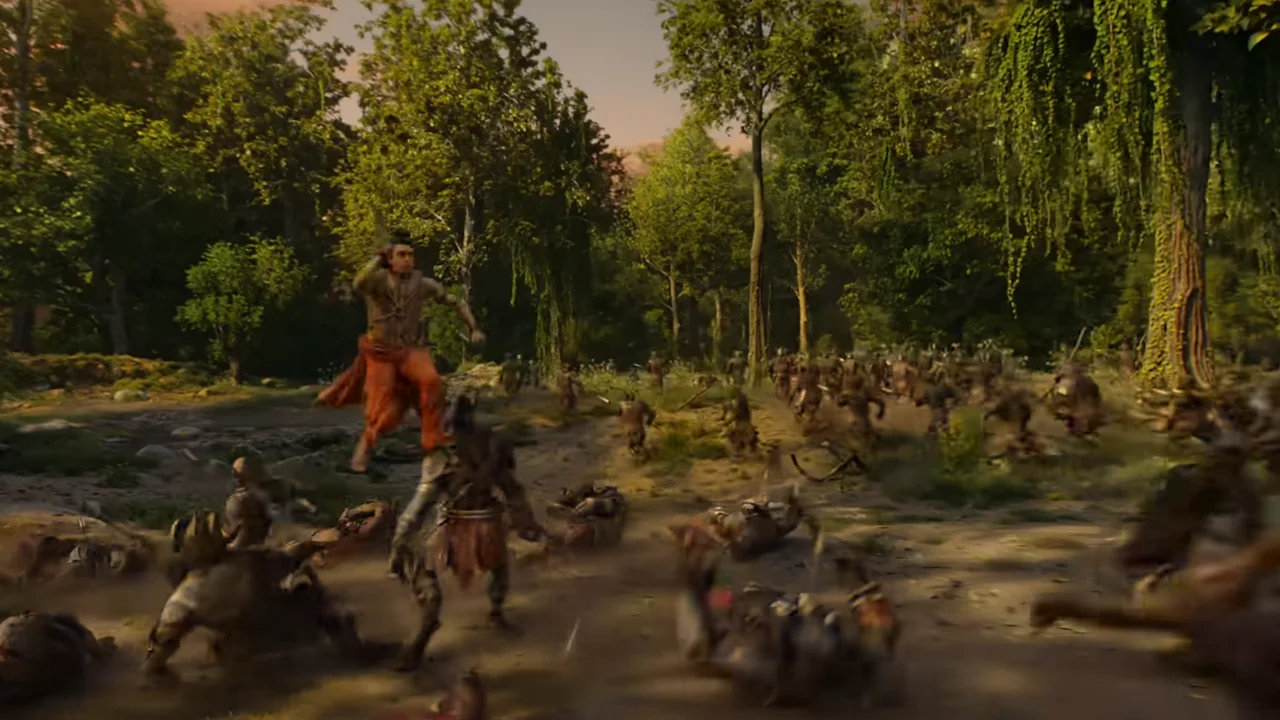
The film’s strong suit, clearly, is its VFX. DNEG, the studio whose work the trailer proudly linked to Hollywood epics like Dune, has built a world that Indian mythology has never had on screen before. Ayodhya’s palaces, the snow-covered Himalayas of Ravan’s penance, the battles and the forests all look expensive and immersive, and Jatayu himself is a technical achievement. If you watch it, watch it in IMAX; this is a film built for the biggest screen you can find.
But VFX can carry a spectacle, not a story. The visuals keep you in your seat; they rarely make you feel anything.
Sky-High Expectations, and the Weight of Them
It is impossible to judge Ramayana Part 1 without talking about the expectations its own makers built. A reported overall investment of about ₹4,000 crore across both parts (including post-production and global release), Hans Zimmer and A.R. Rahman on music, a global trailer push with English cuts for international audiences, and endless talk of India finally having its own Lord of the Rings. Producer Namit Malhotra set the bar sky high, and the box office conversation (our Ramayana vs Godzilla Diwali clash piece covers it) has been framed as if a record were a formality. Even the music has stirred debate; read about the Mangal Rang qawwali controversy.
Measured against that promise, the film falls short. It’s not a disaster, but it’s a pale version of what the trailers suggested. Advance bookings were huge, as our North America pre-sales tracker showed, so the opening will be big. Whether word of mouth holds through Diwali is a different question.
Final Verdict: 2 out of 5
What works: Yash’s Ravan and the first half, the Jatayu narration and the Part 2 setup, and world-class VFX.
What doesn’t: A rushed Baal Kaand, the missing Ahilya episode, a Lakshman with no personality, a throwaway Parshuram, and a vanvas interval with no emotional punch.
Ramayana Part 1 is a film that knows its audience knows the story, and leans on that knowledge until it forgets to tell the story well itself. Watch it for the scale and for Yash. Just don’t expect it to move you the way the Ramayan has moved people for centuries. Part 2 has a lot to fix, and thanks to Jatayu, at least we know what is at stake.
EkSukoon Rating: 2/5

3 thoughts on “Ramayana Part 1 Review: You’ll Love It… If You Already Know the Story”