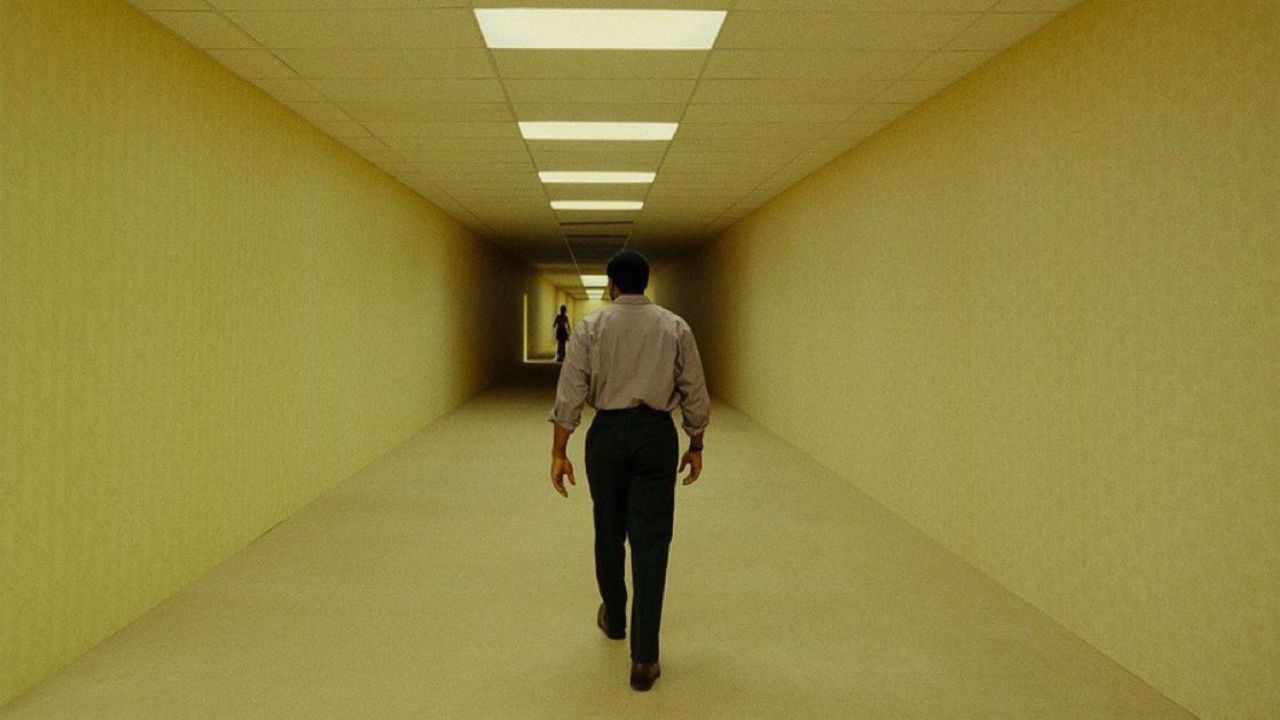
The biggest horror surprise of 2026 isn’t just generating box office numbers, it’s generating debates.
Since its release, Backrooms has become one of the most discussed horror films of the year. Directed by Kane Parsons and inspired by the internet’s famous liminal-space mythology, the movie has left audiences divided. Some viewers consider it a masterpiece of psychological horror, while others found its slow pace and cryptic storytelling frustrating.
Regardless of where you stand, one thing is clear: people cannot stop talking about the ending.
If you left the theater wondering what happened to Mary, why Pirate Clark killed Clark, and what the final montage actually means, here’s a complete Backrooms Ending Explained breakdown.
What Is the Backrooms in the Movie?
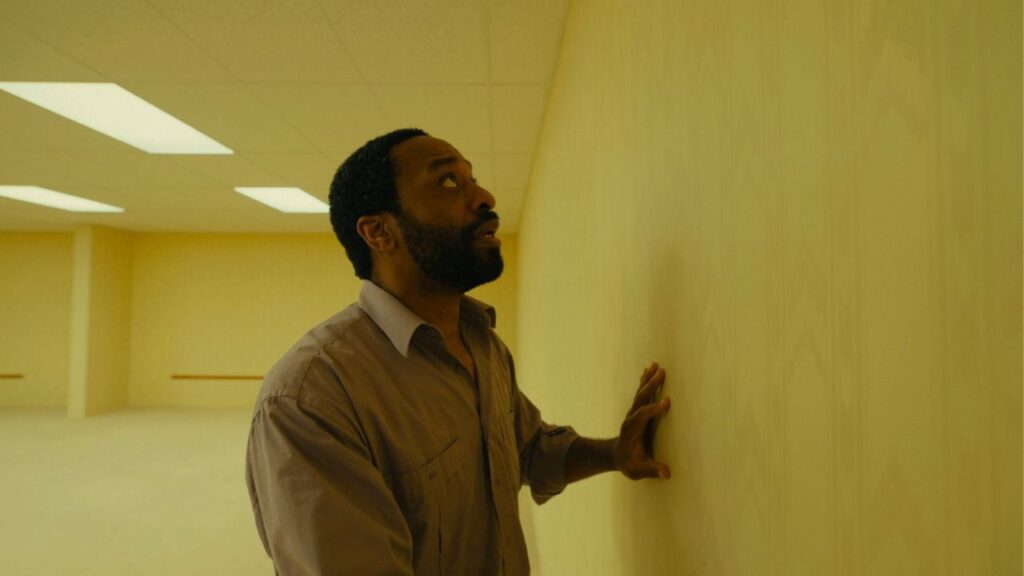
Before discussing the ending, it’s important to understand what the film suggests the Backrooms actually are.
Throughout the movie, Async researchers describe the Backrooms as something far more complex than a haunted dimension. According to Phil, the mysterious researcher played by Mark Duplass, the Backrooms function almost like an echo chamber for memories.
Places, people, emotions, and experiences are copied into this endless maze. However, the copies are never perfect.
Rooms appear familiar but distorted.
People appear human but unsettling.
Memories are recreated, but incorrectly.
The film suggests that the Backrooms are less like a supernatural realm and more like a giant subconscious archive that continuously absorbs and recreates fragments of reality.
Why Does Clark Stay Inside the Backrooms?
One of the biggest mysteries in the movie involves Clark’s decision to remain inside the Backrooms.
At first glance, it appears irrational.
Why would anyone willingly live inside a dangerous maze filled with monsters?
The answer lies in Clark’s emotional state.
Before discovering the Backrooms, Clark was struggling with failure, disappointment, and personal regrets. His architecture career never became what he hoped. His marriage collapsed. His life felt directionless.
Inside the Backrooms, however, Clark found purpose.
For the first time in years, he understood something completely.
He knew how the Backrooms worked.
He knew how to survive there.
He felt important again.
The Backrooms gave Clark a sense of control that real life could not provide.
In many ways, the dimension became an escape from reality rather than a prison.
Who Is Pirate Clark?
The giant distorted creature wearing Clark’s furniture-store mascot costume is commonly referred to as Pirate Clark.
The creature is one of the most memorable images in the film, and it serves a deeper symbolic purpose.
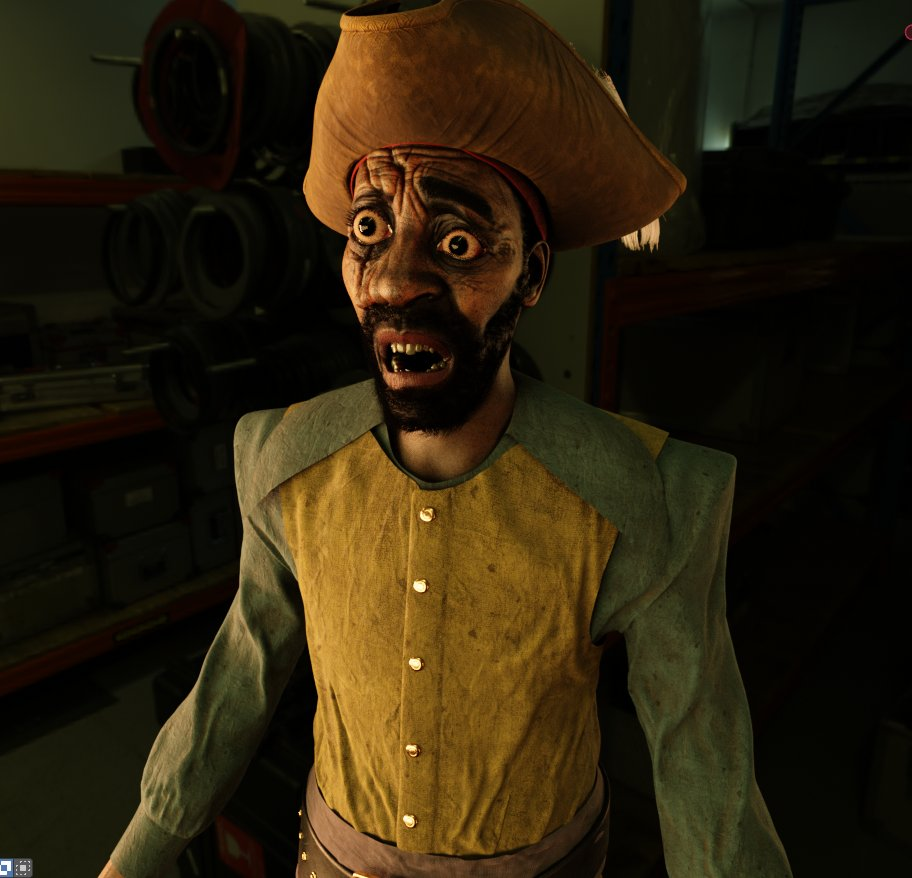
The Backrooms recreate people through incomplete memories and emotional impressions. Pirate Clark appears to be a distorted reflection of Clark himself.
The creature represents everything Clark refuses to confront:
- His anger
- His resentment
- His failures
- His self-delusion
Throughout the film, Clark convinces himself that he has found peace inside the Backrooms.
But Mary sees through this illusion.
She recognizes that Clark hasn’t healed at all.
He has simply hidden inside a fantasy where he never has to face responsibility for his life.
Pirate Clark becomes the physical embodiment of that denial.
Also Read: The Boys Season 5 Ending Explained – Homelander’s Death & Butcher’s Fate
Why Does Pirate Clark Kill Clark?
This is arguably the most important moment in the entire movie.
When Mary confronts Clark about his behavior and forces him to acknowledge uncomfortable truths, something changes.
The stability of Clark’s fantasy begins to collapse.
For much of the film, Clark believes he has accepted the monster.
He treats Pirate Clark almost like a companion.
But once Mary forces him to examine himself honestly, the illusion breaks.
Moments later, Pirate Clark kills him.
Symbolically, the scene suggests that Clark’s greatest enemy was never the Backrooms.
It was himself.
The monster doesn’t kill Clark because it hates him.
The monster kills Clark because it is him.
The creature becomes the ultimate expression of everything Clark spent years avoiding.
What Happens to Mary at the End?
Unlike Clark, Mary survives.
After escaping Pirate Clark, she is captured by Async researchers and taken to an interrogation room. This is where the movie reveals its most disturbing idea.
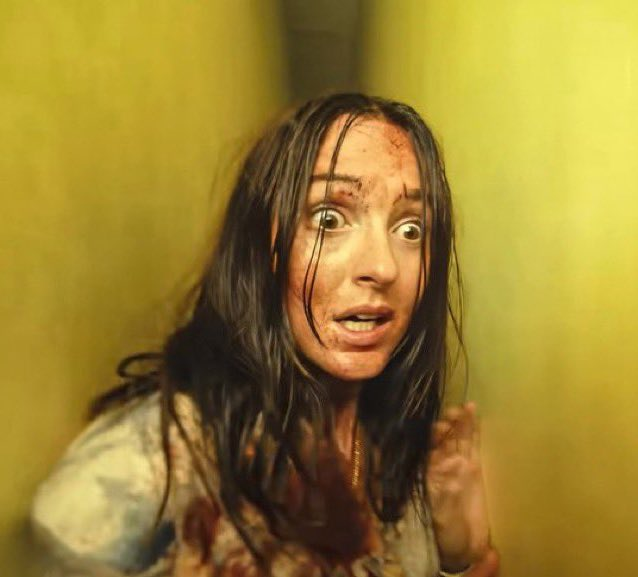
Phil explains that the Backrooms absorb information from people who enter them.
Memories.
Places.
Emotions.
Trauma.
Everything becomes part of the system.
This revelation completely changes how viewers interpret the final sequence.
The Meaning of the Final Montage
The final montage shows locations connected to Mary’s childhood beginning to appear inside the Backrooms.
Her old home.
Her memories.
Fragments of her past.
Most importantly, viewers see a strange version of Mary herself existing within the Backrooms.
This doesn’t necessarily mean the real Mary is trapped forever.
Instead, it suggests that the Backrooms have copied her.
Just as it copied buildings, rooms, and other people, it has now created a distorted version of Mary.
The dimension remembers everyone who enters it.
But it never remembers them correctly.
The result is a half-finished replica that exists forever inside the endless maze.
Is Mary Still Connected to the Backrooms?
The ending strongly suggests yes.
Mary may have physically escaped, but she is now permanently linked to the dimension.
The Backrooms have absorbed her memories and emotional history.
Just as she will likely remember her experience inside the maze, the maze will continue remembering her.
This creates a chilling conclusion.
Mary leaves the Backrooms.
But a version of Mary remains behind forever.
What Did Director Kane Parsons Say About the Ending?
Interestingly, Kane Parsons has largely refused to explain the ending in detail.
The director has stated that he prefers audiences to develop their own interpretations rather than accepting a single official explanation.
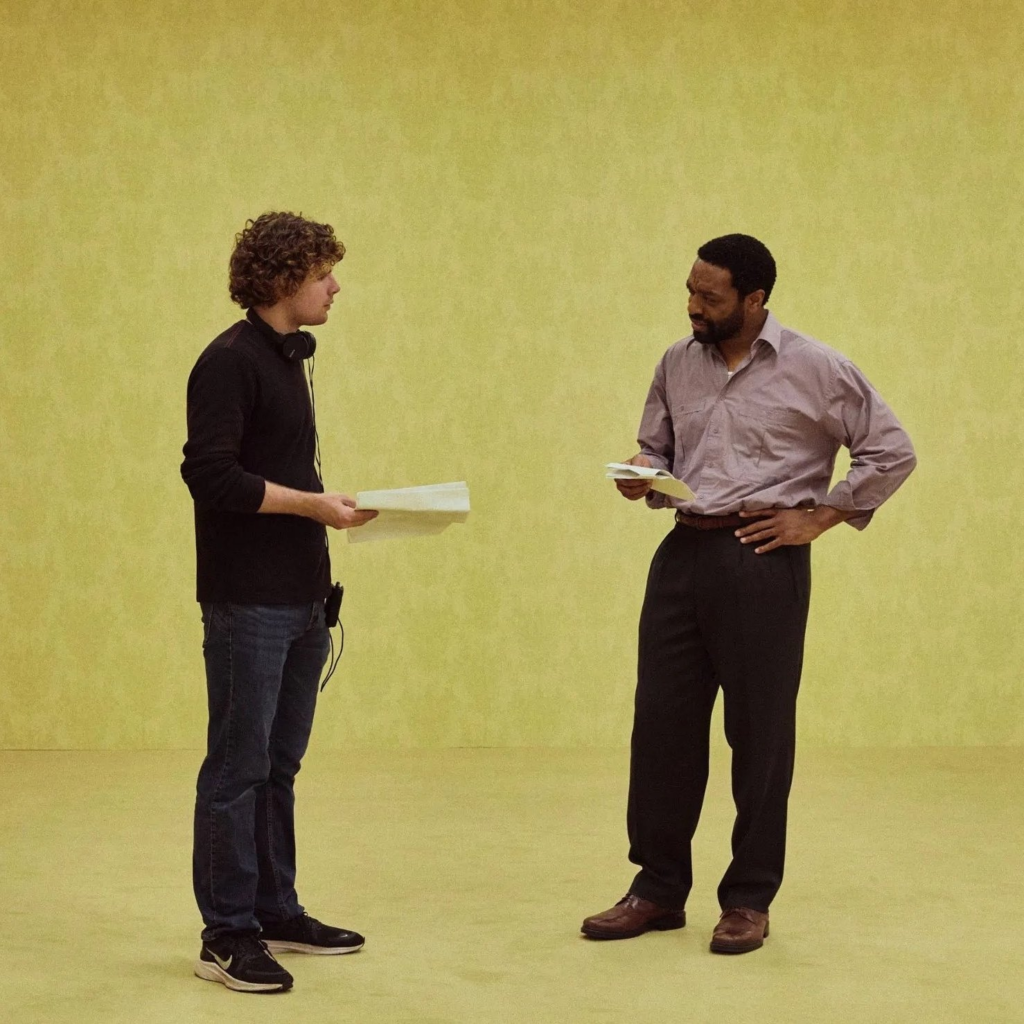
However, Parsons did confirm one important fact:
The movie was not a dream.
This eliminates one of the most popular fan theories and reinforces the idea that the Backrooms are a real location within the film’s universe.
Parsons has also hinted that many unanswered questions may become important in future installments, suggesting the mythology surrounding Async and the Backrooms will continue to expand.
Backrooms Ending Explained: Final Interpretation
At its core, Backrooms is a story about memory, trauma, and self-deception.
Clark becomes trapped because he chooses comfort over self-awareness.
Mary survives because she confronts uncomfortable truths rather than hiding from them.
The Backrooms themselves function as a giant memory machine, endlessly recreating people and places from imperfect recollections.
By the end of the movie, Clark is dead, Mary escapes, and the Backrooms continue growing.
But the final twist is that Mary never truly leaves.
The dimension has already learned her, copied her, and preserved a distorted version of her forever.
And that may be the scariest idea in the entire film.