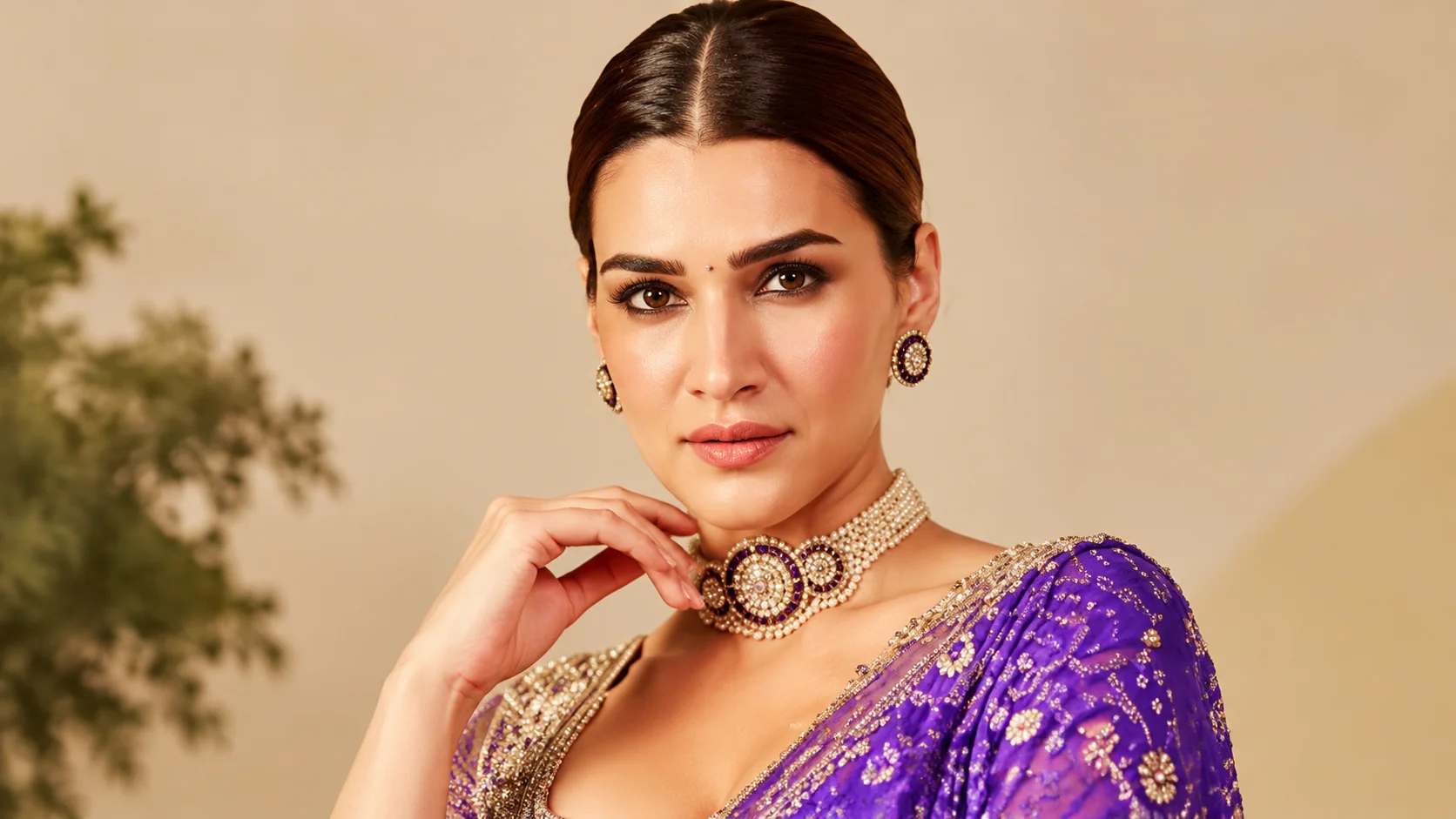
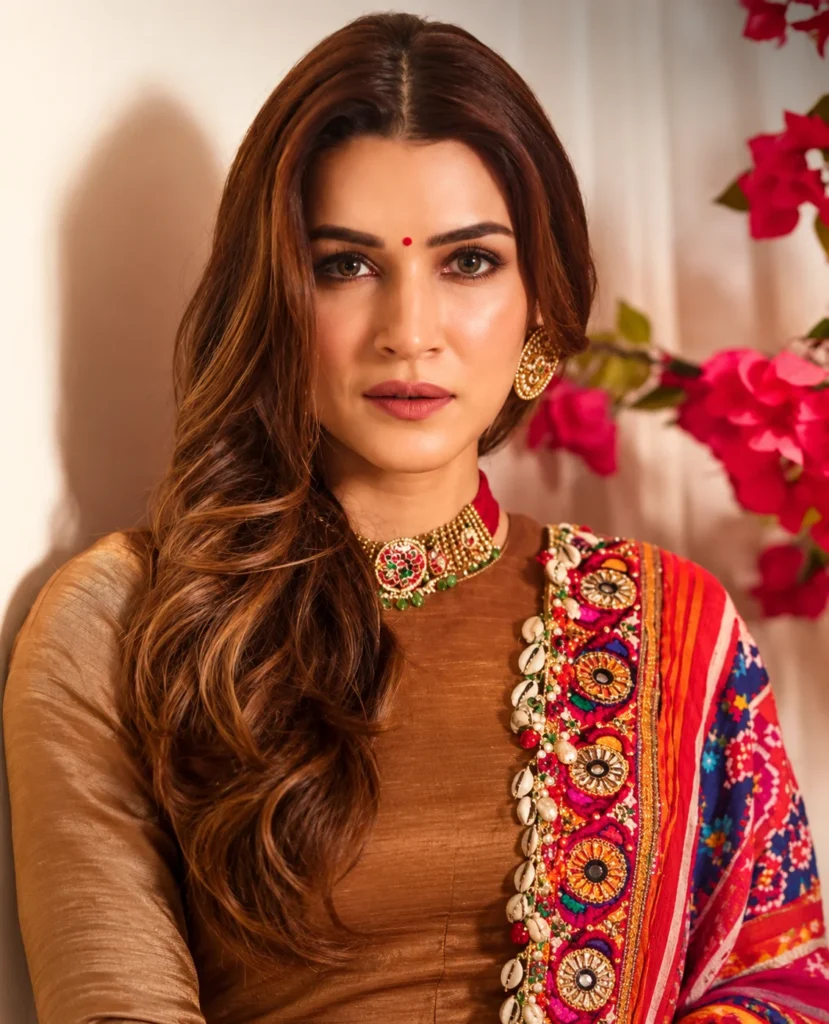
The battle for digital identity in Bollywood reached a new peak on October 16, 2026. Actor Kriti Sanon approached the Delhi High Court to secure her personality rights, joining an elite group of public figures seeking to lock down their names, voices, and faces against unauthorized commercial use. However, this filing has triggered a significant legal pivot. Justice Purushaindra Kumar Kaurav has signaled that the court needs more than just a routine petition: it requires a fundamental re evaluation of where these cases belong within the judicial system.
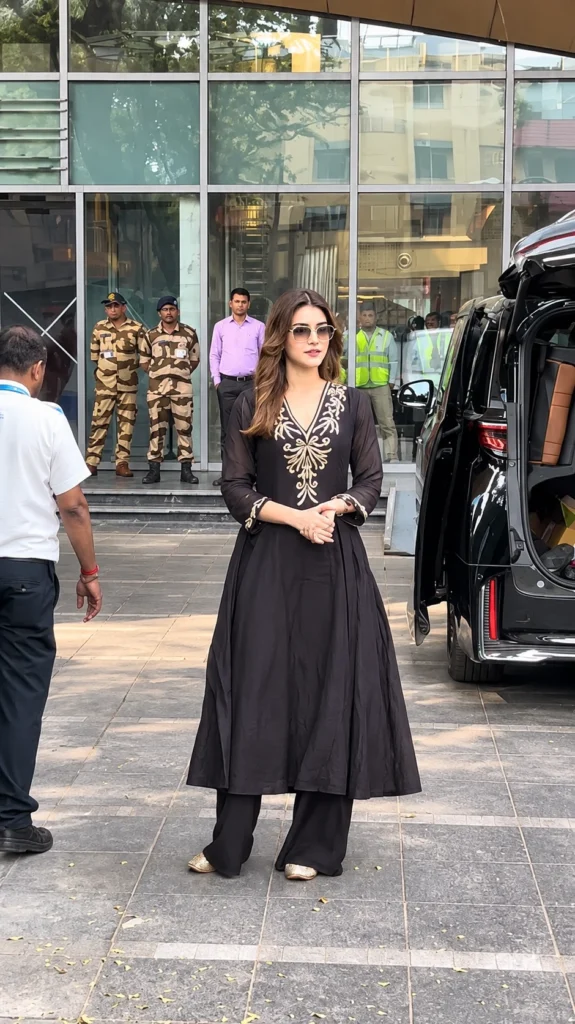
The Legal Surge: Kriti Sanon Joins the Fight for Identity
Kriti Sanon, represented by advocate Pravin Anand, filed the petition to prevent third parties from exploiting her persona. This includes her face, voice, photographs, and even specific mannerisms that the public associates with her brand. While previous actors like Amitabh Bachchan and Anil Kapoor paved the way, Sanon’s case arrives at a time when the court is becoming wary of the sheer volume of such filings.
During the hearing on October 16, 2026, the court noted that these petitions are appearing with increasing frequency. Instead of granting an immediate injunction, the judge requested a deep dive into the research. The court wants to understand the exact contours of what constitutes a personality right in the modern Indian legal framework.
Jurisdictional Friction: Why the IPD is Under the Microscope
The most intriguing part of the Kriti Sanon personality rights case is the question of jurisdiction. Currently, these cases are often heard by the Intellectual Property Division (IPD) of the High Court. Justice Kaurav has raised a pivotal question: Does a person’s identity strictly qualify as intellectual property?
Intellectual property usually refers to creations of the mind, such as inventions, literary works, or trademarks. A human face or voice is an inherent biological trait. The court has asked for a comprehensive compilation of judgments to determine if the IPD is the appropriate forum or if these disputes fall under broader civil law, privacy law, or the Right of Publicity.
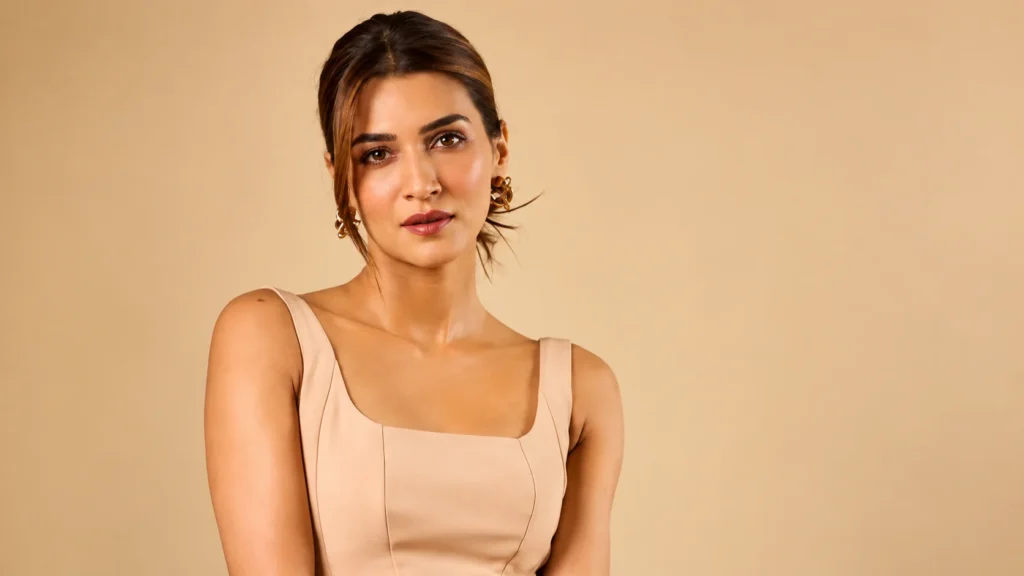
What Exactly are Personality Rights?
In India, personality rights are not explicitly defined in a single statute. They are a judicial creation derived from the Right to Privacy and the Right to Publicity. Advocate Pravin Anand argued that these rights cover several distinct attributes:
- Name and Nicknames: Preventing unauthorized endorsements using the celebrity’s name.
- Voice and Catchphrases: Protecting unique vocal characteristics often targeted by AI voice clones.
- Likeness and Images: Restricting the use of photos or videos for marketing without consent.
- Digital Avatars: Ensuring that AI generated versions of the person are not used commercially.
Comparing Celebrity Rights Protection in India
To understand the gravity of Sanon’s case, it is helpful to look at how different public figures have approached the court. While the core intent remains the same, the scope of protection varies based on the specific threats faced by the individual.
| Celebrity | Key Attribute Protected | Legal Outcome |
|---|---|---|
| Amitabh Bachchan | Voice, Name, and ‘AB’ Initials | Broad omnibus injunction against all unauthorized use. |
| Anil Kapoor | ‘Jhakaas’ catchphrase and likeness | Protection against AI deepfakes and digital distortion. |
| Kriti Sanon | Face, Voice, and Commercial Image | Pending: Next hearing scheduled for October 29, 2026. |
| Yuvraj Singh | Name and Sporting Persona | Protection against unauthorized brand associations. |
The AI Factor: Deepfakes and Digital Likeness
A primary driver for the Kriti Sanon personality rights case is the rapid evolution of Artificial Intelligence. Digital platforms now allow users to create hyper realistic deepfakes. These can be used to endorse products Sanon never touched or to create adult content without her consent.
The court must now balance these protections against competing interests. For instance, where does a celebrity’s right to control their image end, and the public’s right to satire, news reporting, or parody begin? This tension is precisely why the Delhi High Court has asked for research papers and international precedents before passing a final order.
The Broader Bollywood Trend: Who Else Has Sued?
Sanon is far from alone in this legal quest. The Delhi High Court has recently seen similar petitions from a diverse range of figures:
- Actors: Kangana Ranaut, Tabu, and Vijay Deverakonda have sought to protect their commercial identities.
- Cricketers: Abhishek Sharma and Yuvraj Singh have moved to stop the misuse of their sporting fame.
- Politicians: Congress leader Shashi Tharoor and Andhra Pradesh Deputy Chief Minister Pawan Kalyan have also sought legal clarity on their identity rights.
This trend suggests that personality rights are no longer just a “star power” issue; they have become a standard tool for brand management in the digital age.
Looking Ahead: The October 29 Hearing
The legal community is closely watching the date of October 29, 2026. This is when the court will examine the compilation of research and judgments submitted by Sanon’s legal team. The outcome will likely set a massive precedent for how the Intellectual Property Division handles these cases in the future.
If the court decides that the IPD is not the right forum, it could change the entire strategy for celebrity litigation in India. However, if it affirms its jurisdiction, we may see a more standardized, streamlined process for public figures to protect their digital selves from the growing threat of unauthorized commercial exploitation.
Also Read:Love Gill and Gurpreet Ghuggi Controversy: Fact-Check vs. Rumors
FAQs on Personality Rights
1.What are personality rights in India?
They are a set of rights that allow individuals, particularly celebrities, to control the commercial use of their identity, including their name, image, and voice.
2.Why did Kriti Sanon file this case?
To prevent the unauthorized use of her name, voice, and likeness in commercial advertisements and to guard against AI generated deepfakes.
3.Is there a specific law for personality rights?
No, there is no specific statute. These rights are protected through a combination of trademark law, copyright law, and the constitutional Right to Privacy.
4.What did the Delhi High Court ask for?
Justice Kaurav asked for a detailed compilation of research and past judgments to clarify if the Intellectual Property Division has the jurisdiction to hear these specific types of cases.
5.When is the next hearing for Kriti Sanon’s case?
The matter is scheduled for further hearing on October 29, 2026.
1 thought on “Kriti Sanon Personality Rights: Delhi High Court IPD Jurisdiction Explained”