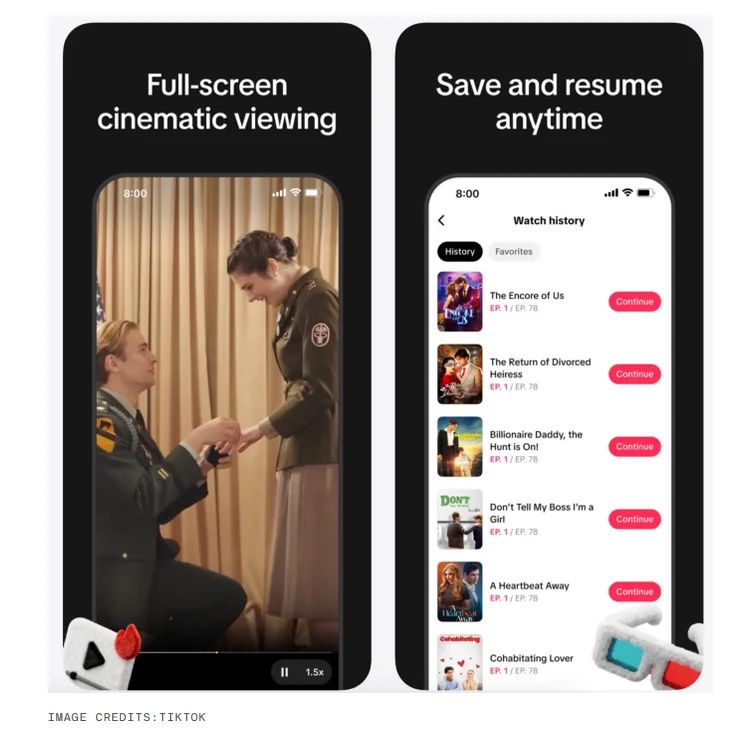
One-minute vertical soaps were a curiosity two years ago. In 2026, they’re a $14 billion global business, and India sits at the heart of it. This week alone brought ShareChat’s first big micro drama earnings, NBCUniversal’s $80 million bet on Story TV, and new data showing that AI now makes almost every new short drama in China.
Here are the numbers behind the boom, and what they mean for viewers, creators and apps in India.
The Micro Drama Industry in 2026: Key Numbers
| Metric | Figure | Source |
|---|---|---|
| Global micro drama revenue, 2026 | About $14 billion | Omdia |
| Share of revenue from subscriptions & in-app payments | Over 60% | Omdia |
| Overseas app downloads, H1 2026 | 1.44 billion (up ~79% year on year) | DataEye |
| Share of overseas downloads from India, Indonesia & Brazil | Over 50% | DataEye |
| Indians watching micro dramas monthly | 118 million+ | TechCrunch |
| ShareChat’s micro drama subscription revenue, FY26 | ₹293 crore | Business Standard |
| ByteDance’s Hongguo app users (Sept 2026) | 430 million (up 82%) | QuestMobile via Caixin |
India Leads Downloads, But the West Pays
According to DataEye’s report on the first half of 2026, India, Indonesia and Brazil together account for more than half of all overseas micro drama app downloads. But the money flows elsewhere: the US, Japan and Canada are the top three markets for in-app spending, contributing over 44% of revenue on their own. Developed markets as a whole bring in more than 60%.
That gap explains much of what’s happening in India right now. Indian apps have the audience, and they’re trying to turn it into revenue at home through cheap subscriptions while also exporting their shows to richer markets.
ShareChat’s ₹293 Crore Micro Drama Turnaround
The clearest proof that Indians will pay for micro dramas came from Mohalla Tech, which runs ShareChat, Moj and the micro drama app Quick TV. In FY26:
- Operating revenue rose 40% to ₹1,016 crore, up from ₹723 crore.
- Adjusted EBITDA losses shrank 58% to ₹91 crore, from ₹219 crore.
- Subscriptions from Quick TV and Moj+ brought in ₹293 crore in their first full year.
- The company has now posted two EBITDA-positive quarters and is eyeing a stock market listing in late 2027.
Micro dramas have become ShareChat’s third big revenue stream, alongside advertising and live streaming. For a company that spent years chasing profits, that’s a big shift.
China’s AI Takeover of Short Dramas
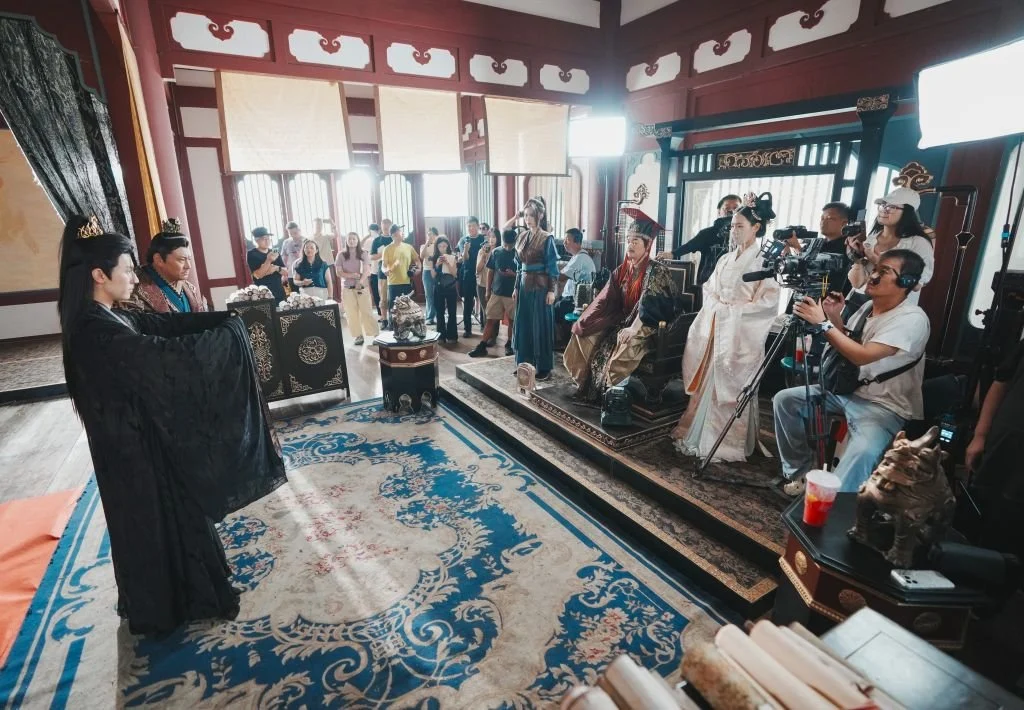
China invented the modern micro drama, and it’s now showing where the format is heading. Caixin reports that AI-generated productions made up more than 94% of new short drama releases in China in the first ten months of 2026. AI video tools have slashed the cost and time needed to make an episode, putting pressure on traditional TV producers.
The audience keeps growing too. ByteDance’s micro drama app Hongguo reached 430 million users in September, up 82% from a year earlier. And per Sensor Tower, nine Chinese micro drama apps ranked among the 20 highest-grossing non-game Chinese apps overseas in the third quarter.
Everyone Wants In: Hollywood, Broadcasters and TV
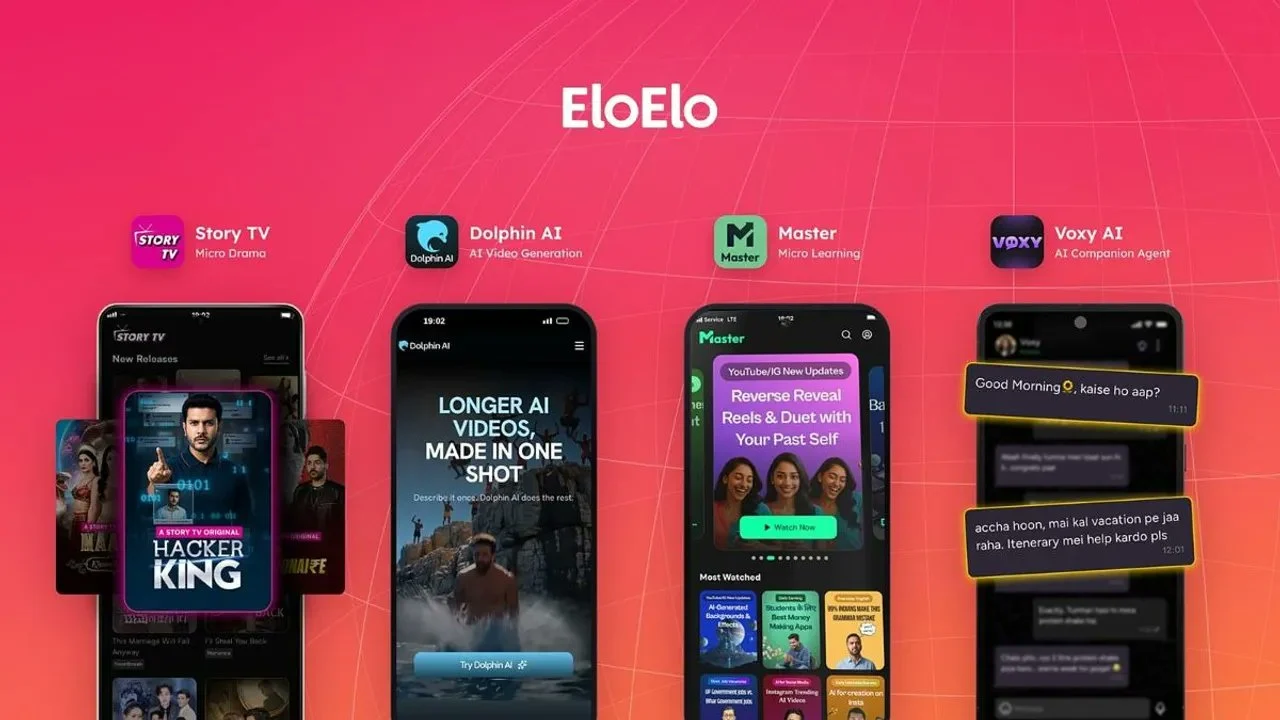
- NBCUniversal co-led an $80 million round in India’s EloElo, maker of Story TV, to export Indian-made vertical dramas, including to the US.
- Canada’s CBC has hired a new head of digital originals and is open to commissioning homegrown micro dramas.
- VueWho, a new free ad-supported TV channel dedicated entirely to micro dramas, launched on 5 November, bringing the phone format to the living room.
What This Means for You
For viewers, expect more shows, more Indian languages and slicker production, but also more AI-made content and more paywalls after the first few free episodes. For actors, writers and editors, micro dramas are now one of the steadiest sources of work in Indian entertainment, though AI will reshape some of those jobs.
New to the format? Start with our explainer on what micro dramas are and our list of the best micro drama apps in India.