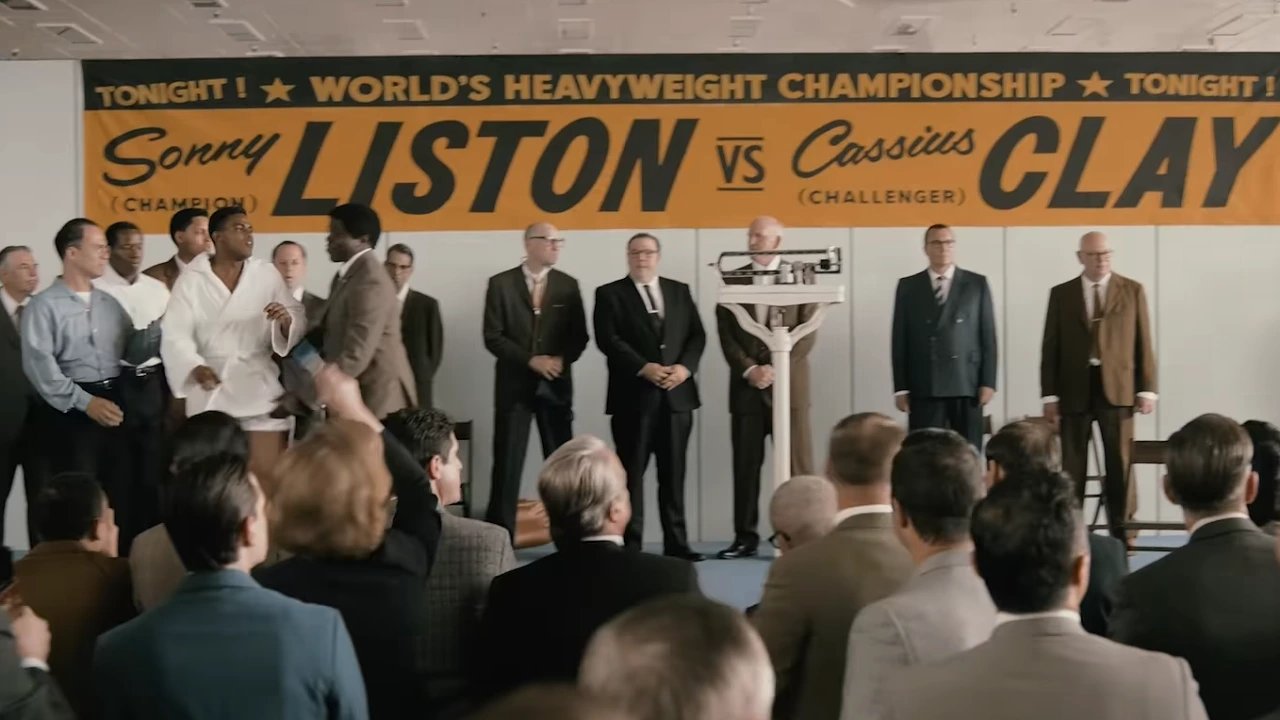
Prime Video’s eight-part series ends right where most Ali movies begin: with a 22-year-old who has just “shook up the world” and is about to tell everyone his new name. Everything before that is the story of how a kid from Louisville became Cassius Clay, and how Cassius Clay became Muhammad Ali.
If you’ve been watching and wondering how much of it really happened, here’s the fact check, moment by moment. If you need the cast and episode guide first, start with our complete guide to The Greatest.
| Show | The Greatest |
| Platform | Prime Video |
| Release date | November 4, 2026 |
| Episodes | 8 (limited series) |
| Creator | Ben Watkins |
| Muhammad Ali played by | Jaalen Best |
| Years covered | Roughly 1954 to 1964 |
| Made with Ali family? | Yes, Lonnie Ali is an executive producer |
Real: a stolen bike started everything
In 1954, 12-year-old Cassius Clay’s new red Schwinn was stolen in Louisville. Furious, he told a police officer named Joe Martin he wanted to whup whoever took it. Martin, who also ran a boxing gym, told him he’d better learn to fight first. That really is how one of the greatest boxing careers in history began.
Real: Olympic gold in Rome, 1960
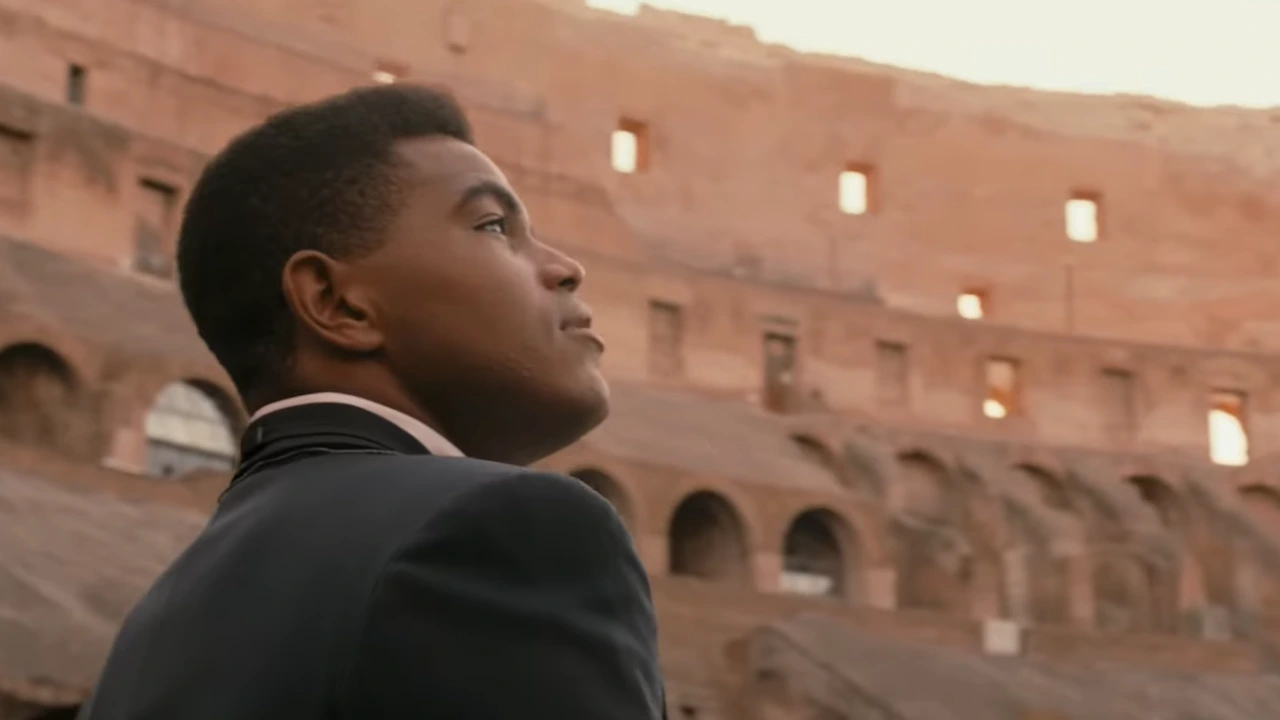
At 18, Clay won the light heavyweight gold medal at the 1960 Rome Olympics. The series opens there, and the period detail around the Olympic Village is one of the things critics singled out.
Myth: throwing the gold medal into the river
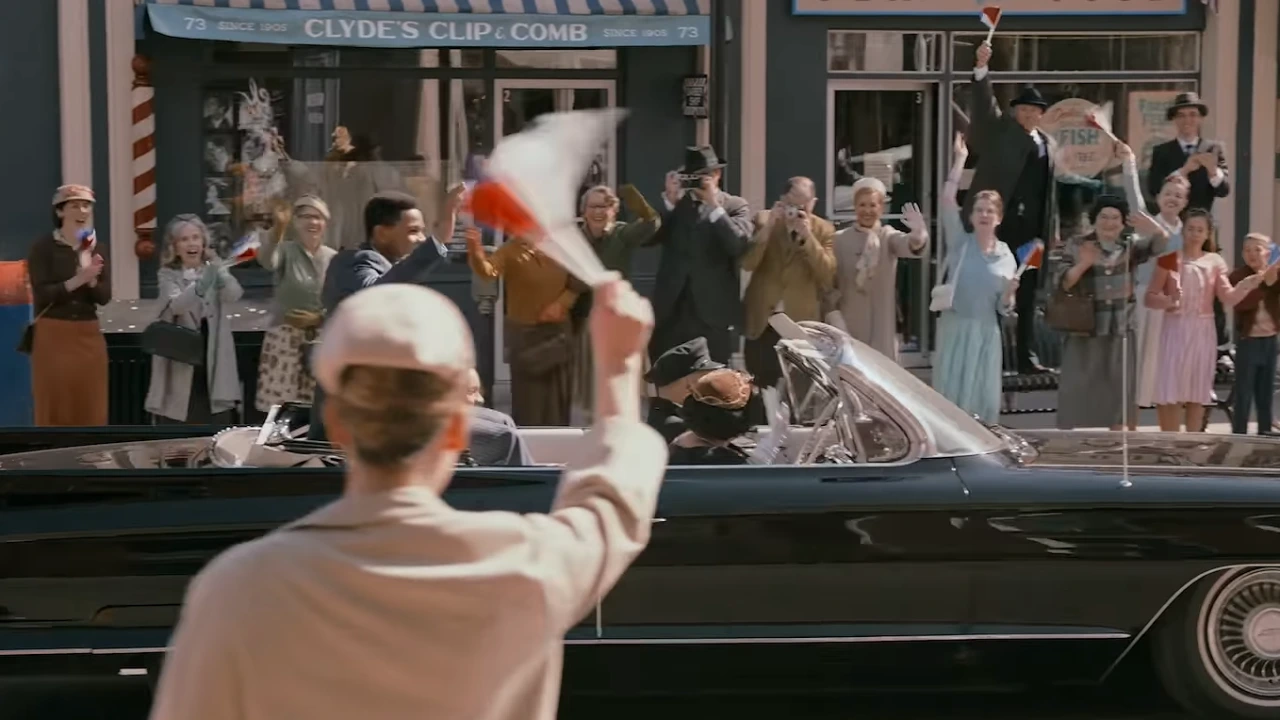
This is the big one. For years, the famous story was that Clay came home, was refused service at a whites-only restaurant in Louisville and threw his gold medal into the Ohio River in disgust. Ali told it in his 1975 autobiography. But historians consider it false. Ali later told his biographer Thomas Hauser that he had simply lost the medal. The International Olympic Committee gave him a replacement at the 1996 Atlanta Games, where he lit the Olympic cauldron.
Real: the businessmen and the lawyer behind his first contract
After Rome, Clay signed with the Louisville Sponsoring Group, a syndicate of wealthy local businessmen who bankrolled his early pro career. The series gives screen time to Alberta O. Jones, one of the first Black women admitted to the bar in Kentucky, who represented Clay in those negotiations. She was real, and her 1965 murder remains unsolved.
Real: Archie Moore, then Angelo Dundee
Clay briefly trained at Archie Moore’s “Salt Mine” camp in California, but the two clashed and he left. He ended up with trainer Angelo Dundee (played by Giovanni Ribisi) in Miami. In 1962, Clay beat his old mentor Moore in the fourth round, exactly as he predicted. The show may heighten the drama of his exit from Moore’s camp, but the core facts hold up.
Real: shocking Sonny Liston in 1964
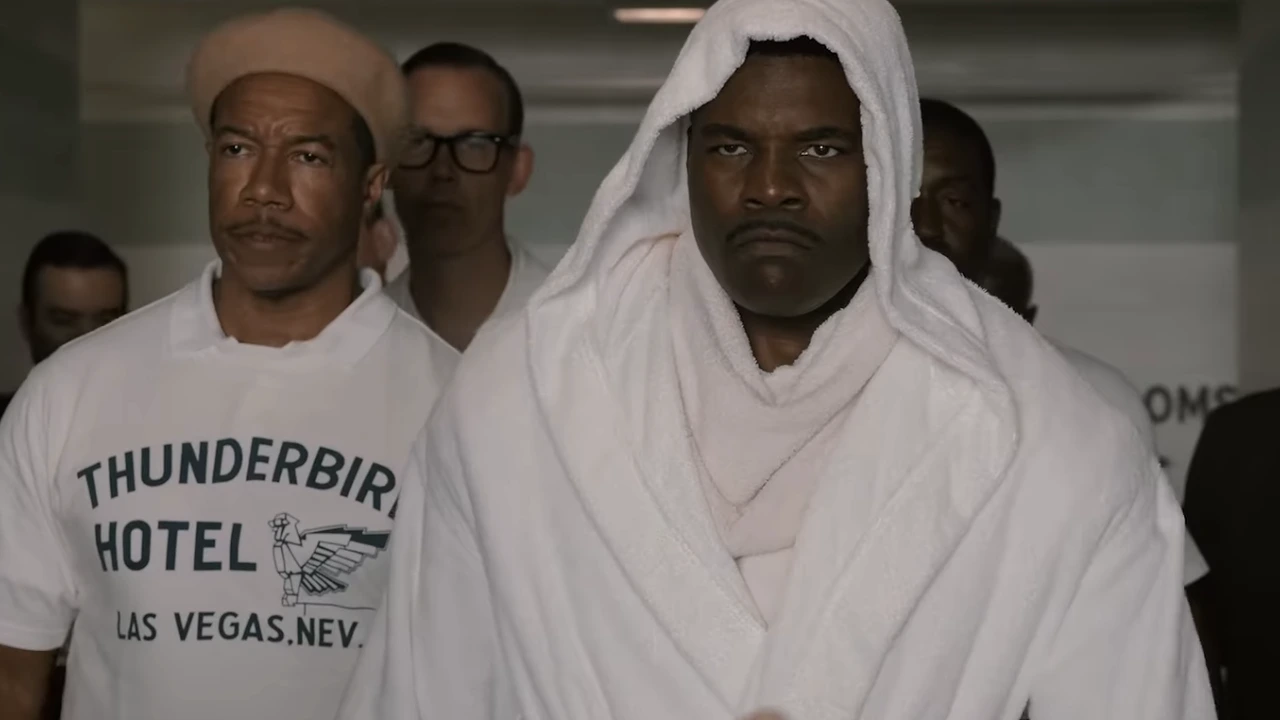
On February 25, 1964, in Miami Beach, Clay faced heavyweight champion Sonny Liston, an ex-convict with a fearsome reputation who had flattened Floyd Patterson in one round. Almost nobody gave Clay a chance.
The details you see are real. Something got into Clay’s eyes during the fight and he could barely see in the fifth round. Dundee told him to keep moving until it cleared. Liston, citing a shoulder injury, stayed on his stool and didn’t come out for the seventh. Clay was the new champion at 22.
Invented: Geraldine Liston walking out
Sonny Liston’s wife Geraldine (Erica Tazel) gets a storyline in which she leaves him before the fight. There’s no record of that in news archives or biographies. It reads as a deliberate creative choice to give Liston more of an inner life, but it isn’t history.
Real: Malcolm X, the Nation of Islam and the new name
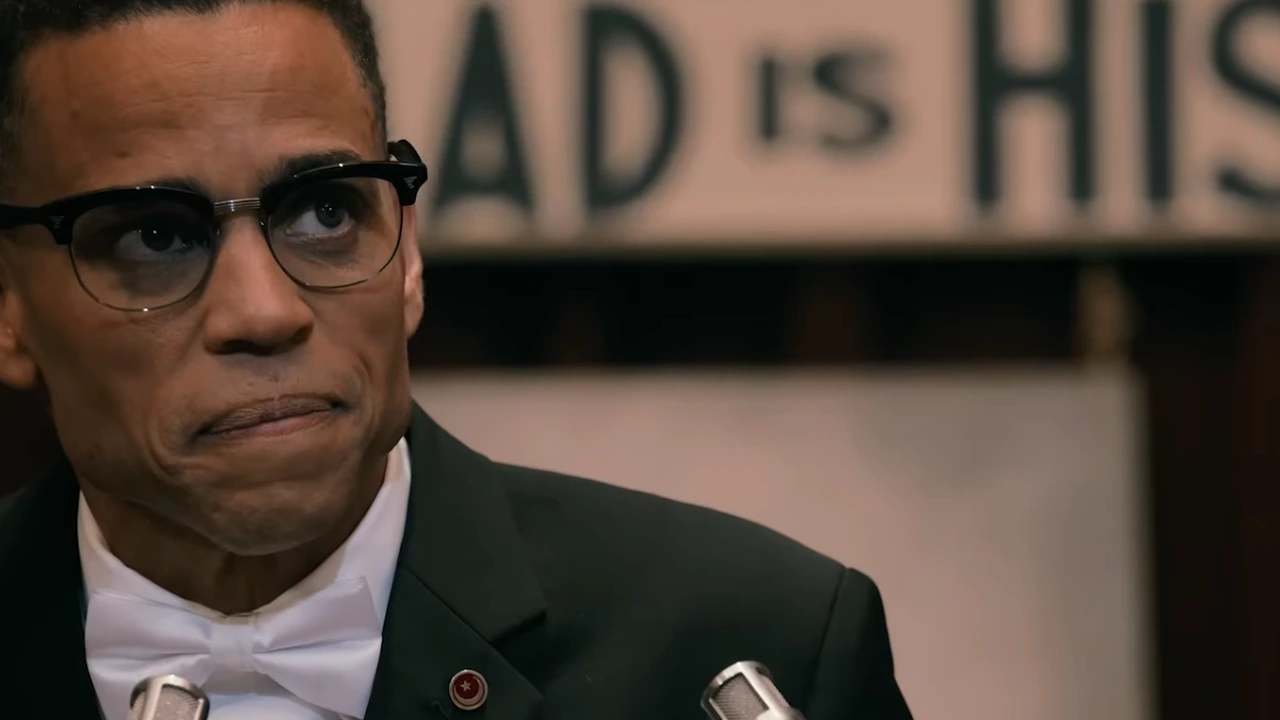
Clay’s ties to the Nation of Islam were an open secret before the fight. His father told reporters his son had joined the “Black Muslims,” and promoter Bill MacDonald threatened to cancel the bout. Malcolm X (played by Michael Ealy) kept a low profile in Miami but was there on fight night.
Days after winning, Clay confirmed his faith publicly. He briefly went by Cassius X before Nation of Islam leader Elijah Muhammad gave him the name Muhammad Ali in March 1964. Within months, Malcolm X broke with the Nation, and Ali sided with Elijah Muhammad. Malcolm was assassinated in February 1965. Decades later, Ali said turning his back on Malcolm was one of the things he regretted most.
What the show changes, and why
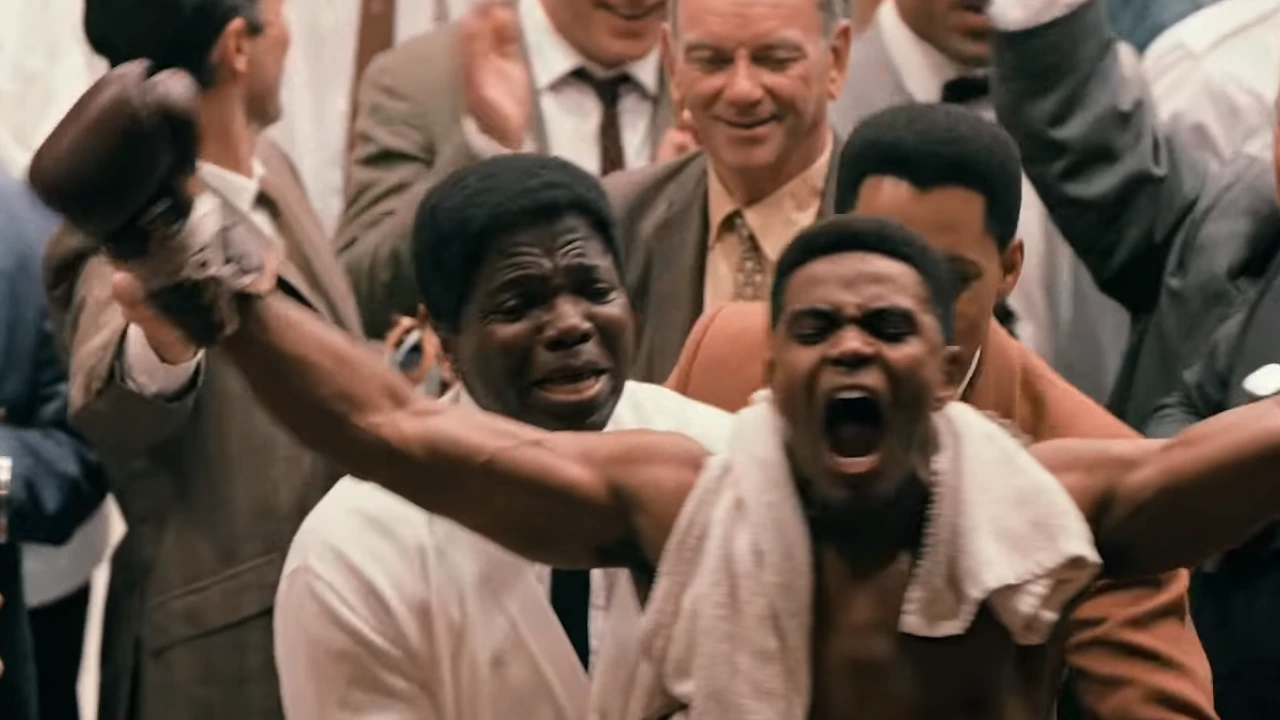
Like any biographical drama, The Greatest compresses timelines, invents private conversations and puts words in people’s mouths that no one recorded. That’s especially true of the family scenes between Cassius and his parents, Cash (Omari Hardwick) and Odessa (Dana Gourrier). The emotional story is built on what Ali and his family said over the years, but the exact dialogue is the writers’.
The big public moments, the fights, the Olympics, the name change, all line up with the record. It’s the private moments you should take with a pinch of salt.
FAQ
Is The Greatest a true story?
Yes. It’s based on Muhammad Ali’s real life from about age 12 to 22, made with his family’s involvement. Some private scenes and subplots are dramatized.
Did Muhammad Ali really throw his gold medal in the river?
Most historians say no. He later admitted he lost it. He received a replacement at the 1996 Atlanta Olympics.
Was Malcolm X really at the Liston fight?
Yes. Malcolm X attended the February 25, 1964, fight in Miami Beach.
Who plays Muhammad Ali in The Greatest?
Jaalen Best.
Did Sonny Liston’s wife leave him before the fight?
There’s no record of it. That storyline appears to be invented for the show.
Was Ali’s family involved in The Greatest?
Yes. His widow, Lonnie Ali, is an executive producer.
Watch the official trailer on YouTube.
🍿 Keep the binge going
- The Greatest Season 2: Renewal Status and Plans
- Where Was The Greatest Filmed?
- Michael Ealy as Malcolm X: The Real Friendship
- Who Is Jaalen Best? The Actor Playing Muhammad Ali
- The Greatest on Prime Video: Cast, Story and Reviews
- The Mosquito Bowl True Story
- Heartland Cast: Who Plays Who
- Every New OTT Release This Diwali Week
- Stacy Keach, TV’s Mike Hammer, Dies at 85